
Uganda Shilling Sinks Past 4,150 as Capital Flees Local Bonds
Ready
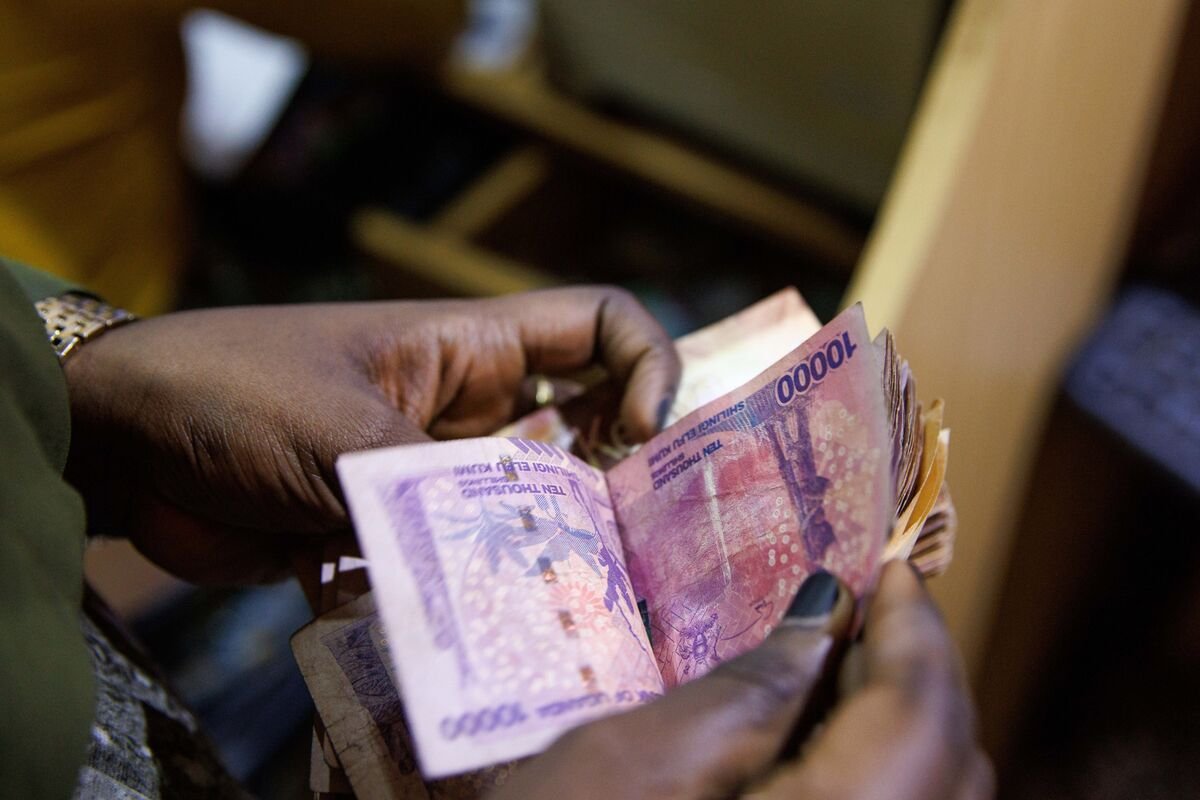
Uganda’s shilling has weakened beyond Shs4,150 per dollar after a surge in import demand and an estimated US$200 million in portfolio outflows, exposing businesses and households to higher fuel, import and financing costs despite the country holding more than US$6 billion in foreign exchange reserves.
Uganda’s shilling has entered its sharpest depreciation episode in years, weakening beyond Shs4,150 to the US dollar on October 13 as foreign investors reduce exposure to local currency assets and Ugandan companies compete for dollars to pay for fuel, machinery, telecommunications equipment and other imports. Bank of Uganda data showed an opening mid rate of Shs4,152.86 per dollar on Tuesday, leaving the currency about 12.8 percent weaker than at the end of 2025. Bloomberg had placed the shilling at Shs4,143 on Monday, its weakest level since the financial data company began tracking the currency in 1993. Different market and official rates vary according to the time and venue of trading, but they point in the same direction: the shilling has moved from around Shs3,700 in August through Shs4,000 in early October and beyond Shs4,100 within days.
The speed of the decline is more consequential than the level itself. Since August 25, the shilling has lost more than 10 percent against the dollar, the largest decline among 144 currencies tracked by Bloomberg over the period. Reuters reported last week that the currency had already weakened more than 11 percent during 2026 and remained under pressure from merchandise importers, energy companies and telecommunications firms seeking dollars ahead of the fourth quarter import season. The latest leg has added another source of demand: offshore investors selling Ugandan government securities and converting the proceeds back into dollars as US yields become more attractive and global risk appetite deteriorates.
Citigroup estimates that approximately US$200 million has left Ugandan markets in only two weeks. That number is not large relative to the size of Uganda’s economy, but it is considerable relative to the depth of the domestic foreign exchange market. Bank of Uganda data showed non residents holding about US$2.7 billion of government debt by June, meaning the estimated recent outflow would be equivalent to roughly 7 percent of that stock if it were attributed entirely to government securities. The actual outflows cover the wider market, not only bonds, but the comparison illustrates how quickly foreign portfolio movements can become important when several hundred million dollars are being demanded from a relatively narrow foreign exchange market at the same time as importers are also increasing dollar purchases.
Uganda’s Import Demand Has Been Rising Faster Than Its Dollar Supply
The immediate currency pressure is connected to a broader deterioration in Uganda’s trade position. Ministry of Finance data shows merchandise imports reached US$1.61 billion in July 2026, up 25.4 percent from US$1.29 billion a year earlier, while exports increased by a much smaller 10.1 percent to US$1.40 billion. The result was a US$210 million merchandise trade deficit, compared with only US$11.2 million in July 2025. The Ministry attributed much of the increase in imports to the private sector, including petroleum products, food products, machinery, and other goods required by businesses.
That gap matters directly for the currency because every additional dollar spent on imports has to be supplied by exports, remittances, tourism, foreign investment, borrowing, or existing reserves. Uganda has strong foreign exchange earners, including gold, coffee, tourism, and remittances, but the ministry said dollar inflows from commodity exporters, NGOs, and remittances were already insufficient to offset increased demand from energy companies and manufacturers in August. The shilling weakened by an average of 0.7 percent that month, from Shs3,704.51 per dollar in July to Shs3,730.25, before depreciation accelerated much more sharply in September and October.
Uganda’s regional trade position also shows where some of that foreign exchange demand is originating. In July, the country recorded a US$436.7 million trade deficit with other East African Community markets, up from only US$54.5 million a year earlier. Uganda recorded particularly large deficits with Kenya, Burundi, and Tanzania, importing US$737.5 million worth of goods from the three countries while exporting only US$74.9 million to them. Uganda continued to record surpluses with the Democratic Republic of Congo, South Sudan, and Rwanda, but those earnings were not large enough to compensate for the deficits elsewhere in the region.
This changes how the shilling decline should be understood. It is not simply a speculative attack on the currency or a temporary reaction to foreign investors selling bonds. Uganda entered the episode with a growing underlying requirement for foreign exchange because imports were already rising faster than exports. The portfolio outflows have intensified that imbalance by adding another group of dollar buyers at precisely the moment companies are also increasing demand.
Foreign Investors Have Turned A Trade Problem Into A Capital Flow Problem
The acceleration since late August reflects a second transmission channel. Higher returns on US dollar assets have changed the relative attractiveness of Ugandan local currency debt. Foreign investors who purchased Ugandan government bonds were effectively making two bets: that the interest earned on the bonds would compensate them for the investment risk, and that the shilling would remain sufficiently stable for those returns not to disappear when converted back into dollars.
Rapid depreciation changes that calculation. A foreign investor may earn a high nominal yield on a Ugandan Treasury bond, but a 10 percent decline in the currency can absorb a substantial portion of that return. If investors expect further depreciation, selling the bond and purchasing dollars becomes more attractive, which itself creates additional dollar demand and places more pressure on the shilling.
That is part of the feedback loop now affecting Uganda. Citigroup’s estimated US$200 million outflow increases dollar demand, depreciation reduces the dollar value of remaining local currency investments, and that can encourage additional foreign investors to reduce exposure. Absa analysts have also reported dollar buying from offshore investors unwinding local bond positions or hedging their remaining exposure, alongside demand from energy, manufacturing and telecommunications companies.
The external environment has amplified that movement. Global investors have been moving toward dollar assets as US yields remain elevated, while geopolitical instability has raised energy costs and strengthened demand for safer assets. Uganda is particularly exposed to the combination because petroleum imports require dollars. A higher international oil price therefore affects the country twice: more dollars are required to purchase the same quantity of fuel, while higher energy costs can simultaneously strengthen inflation pressures at home. Reuters identified strong energy sector demand and uncertainty around global fuel supply as important factors behind the shilling’s weakness at the beginning of October.
Bank Of Uganda Has Tightened Liquidity Instead Of Spending Reserves
Bank of Uganda has responded primarily by making shillings scarcer rather than committing large amounts of foreign reserves to defend a particular exchange rate. In September, the central bank increased the Cash Reserve Requirement for commercial banks from 11 percent to 13.5 percent, effective September 24. The decision followed an earlier increase from 9.5 percent to 11 percent in March, meaning the proportion of deposits banks must keep at the central bank has risen by four percentage points in about six months.
The mechanism is straightforward. When banks are required to hold more deposits at Bank of Uganda, they have less shilling liquidity available for lending and other transactions. Tighter domestic liquidity can reduce the amount of money available to chase dollars and can support the currency without requiring the central bank to sell foreign exchange directly. The trade off is that less liquidity can also contribute to tighter credit conditions for businesses and households. Even before the latest increase, the Ministry of Finance reported that the average commercial bank lending rate on shilling-denominated credit had risen from 16.93 percent in June to 17.32 percent in July.
The central bank has also made clear that Uganda operates a market determined exchange rate and does not intend to defend a fixed shilling level. Governor Michael Atingi Eogo said in September that the Bank of Uganda had the capacity to stabilize disorderly exchange rate movements, while pointing to previous episodes in 2022, 2023 and 2024 when external shocks weakened the currency before conditions eventually stabilised. Reuters subsequently reported that the bank would manage excessive volatility but was not targeting a specific exchange rate through direct dollar sales.
That approach has also received explicit political backing against aggressive reserve intervention. President Yoweri Museveni has opposed using Uganda’s foreign exchange reserves simply to maintain a stronger shilling while the country continues importing goods he considers non essential. His preferred adjustment is structural: reduce unnecessary imports, increase domestic production, grow exports and tourism, and allow those changes to reduce demand for dollars. That position reduces the likelihood of a large reserve financed defence of Shs4,000 or any other particular exchange rate.
Uganda Has More Reserves, But That Does Not Remove The Currency Pressure
The depreciation is particularly interesting because Uganda is not facing an obvious shortage of foreign exchange reserves. Reuters reported on October 13 that the country’s reserves had increased by 56 percent in the year to June 2026, while Bank of Uganda data cited by Uganda Business News put gross reserves at approximately US$6.52 billion in August, equivalent to around 3.6 months of future imports when oil project related imports are excluded.
That creates an important distinction between having reserves and choosing to use them. A central bank can possess billions of dollars in reserve assets while allowing its exchange rate to depreciate if policymakers consider intervention too expensive, believe the exchange rate is correcting an underlying external imbalance, or want to preserve reserves for debt service and larger future shocks. Bank of Uganda itself describes reserves as a buffer for external obligations, emergency shocks, market confidence and the country’s day to day foreign currency requirements rather than a fund intended to maintain any particular exchange rate.
Uganda therefore appears to be facing a flow problem more than a reserve stock problem. Large volumes of dollars are being demanded now by importers and investors leaving shilling assets, while policymakers are reluctant to use the reserve stock aggressively to meet those flows. That allows the exchange rate to perform part of the adjustment: imports become more expensive, exporters receive more shillings for each dollar earned, and holding foreign currency becomes more valuable. The difficulty is that this adjustment can impose substantial costs before trade patterns change.
Imported Inflation Is Now The Main Domestic Risk
The immediate economic consequence is higher landed costs for imported goods. Uganda imports petroleum, machinery, vehicles, pharmaceuticals, industrial inputs and a wide range of consumer products priced directly or indirectly in dollars. A company that previously required Shs3.7 billion to settle a US$1 million invoice would require more than Shs4.1 billion at current rates, before considering any increase in the underlying dollar price of the product. For firms unable to absorb that difference in margins, the adjustment eventually moves into retail prices.
Inflation has already been moving higher. Uganda Bureau of Statistics reported headline inflation of 4.6 percent in September, up from 4.1 percent in August, while core inflation increased from 3.5 percent to 3.7 percent. The recent exchange rate move occurred largely after the periods captured in those figures, meaning the full effect of the September and October depreciation will take time to appear in inflation data as importers replace inventories and adjust prices.
Fuel presents the fastest transmission channel because Uganda remains dependent on imported petroleum products. Local reporting has already linked the currency depreciation and global energy shock to rapidly rising pump prices, with diesel exceeding Shs7,100 per litre in some quotations as the currency moved through Shs4,100. Fuel costs then travel through transport, agriculture, manufacturing and food distribution, which means exchange rate depreciation can eventually affect products with little obvious connection to international currency markets.
A weaker shilling also increases the local currency burden of foreign currency denominated obligations. Companies with dollar loans but shilling revenues face a higher debt service cost, government external debt requires more shillings to service, and firms importing equipment for investment need additional domestic currency financing. Exporters can benefit because each dollar of export revenue converts into more shillings, but that advantage depends on how much of their own production cost is imported.
The Divergence With Kenya Shows This Is Not Just An East African Currency Shock
The contrast with neighbouring Kenya is particularly useful. Reuters reported on October 8 that Kenya’s shilling remained broadly stable around Shs129.45 to Shs129.65 per dollar while Uganda’s currency was already down more than 11 percent for the year. Both countries face higher global energy costs and operate in the same regional trading environment, but Kenya was being supported by more diversified foreign exchange inflows and relatively strong reserves.
This suggests that Uganda’s depreciation cannot be attributed to global dollar strength alone. The stronger dollar and oil price shock created the external pressure, but the scale of Uganda’s movement reflects domestic conditions as well: rapid growth in imports, a widening merchandise trade deficit, portfolio outflows and the structure of foreign participation in the government debt market.
The comparison also has consequences for regional trade. Uganda imported substantially more from Kenya, Tanzania and Burundi than it exported to those markets during July, meaning a weaker Ugandan shilling makes those regional imports more expensive even where transactions are ultimately settled within East Africa. Kenyan and Tanzanian exporters selling into Uganda may consequently face either reduced demand or pressure to absorb part of the currency movement through lower margins.
Oil Could Eventually Change Uganda’s Dollar Equation, But Not Yet
Uganda’s medium term foreign exchange outlook looks different from its immediate position because the country is approaching commercial oil production. Government projects economic growth of 10.2 percent in FY2026/27, with expected oil and gas production among the major drivers, while goods and services exports reached US$18.42 billion during FY2025/26. Once crude oil exports begin at scale, they could add a major new source of foreign currency earnings and alter the country’s external balance.
Before that benefit materialises, however, oil development itself can increase demand for imported machinery, engineering equipment and other capital goods. Uganda is therefore passing through a period in which investment associated with future export capacity can initially increase the current demand for dollars. The eventual effect of oil on the shilling will depend on production volumes, export revenues, how much foreign exchange is retained offshore, government revenue arrangements and whether new oil income is accompanied by continued rapid growth in imports.
That makes the current currency episode economically important beyond its immediate impact on pump prices or imports. Uganda is entering an oil producing period with a foreign exchange market already demonstrating how quickly portfolio flows and import demand can overwhelm normal dollar inflows.
The Economic Read
The Uganda shilling’s fall beyond Shs4,150 is the result of several pressures arriving at once rather than one isolated shock. The country’s merchandise import bill has been growing considerably faster than exports, energy and manufacturing companies require increasing amounts of foreign currency, global oil prices have raised the cost of one of Uganda’s most important imports, and foreign investors are now withdrawing part of the capital that previously helped finance the country’s shilling denominated government debt.
The estimated US$200 million portfolio outflow has accelerated the movement, but the underlying external imbalance was already visible in official trade data. Uganda’s merchandise trade deficit widened from only US$11 million in July 2025 to US$210 million a year later, while imports increased 25 percent. The shilling therefore entered the latest global dollar shock with domestic demand for foreign currency already rising faster than some of its traditional sources of supply.
Bank of Uganda’s decision not to defend a particular exchange rate also means the market is being allowed to perform more of the adjustment. The central bank has tightened shilling liquidity through a 13.5 percent reserve requirement while preserving a reserve cushion that remains above US$6 billion. That protects Uganda from a more severe external liquidity crisis, but it does not protect importers from the exchange rate required to balance the market.
The next test is inflation. September’s 4.6 percent headline rate was recorded before much of the latest depreciation had passed through inventories and retail prices. If the shilling remains around or above Shs4,100 while fuel and import costs stay elevated, the exchange rate story will increasingly become a household and business cost story. If portfolio flows stabilise, commodity export receipts strengthen and fourth quarter dollar demand subsides, part of the recent move could reverse.
For now, Uganda has enough reserves to avoid describing the episode as a foreign exchange crisis. The more precise problem is that dollars are leaving and being demanded faster than the private market is supplying them at the exchange rate Ugandans were accustomed to only a few months ago.
Uganda Shilling: The 2026 Slide
| Indicator | Position |
| January 2026 opening rate | about Shs3,623/$ |
| August 2026 average | Shs3,730/$ |
| September 2026 pressure zone | about Shs3,920 to Shs3,930/$ |
| October 5 close | Shs4,023.57/$ |
| October 12 Bloomberg rate | Shs4,143/$ |
| October 13 BoU opening mid rate | Shs4,152.86/$ |
| Estimated YTD depreciation | about 12.8% |
| Estimated recent portfolio outflows | US$200 million |
| Gross reserves, August | about US$6.52 billion |
| September headline inflation | 4.6% |
| Cash Reserve Requirement | 13.5% |
The exchange rate figures come from different official and market observations and therefore should not be interpreted as a single continuous intraday series.
FAQ
Why is the Uganda shilling falling? The decline reflects a combination of stronger dollar demand from energy companies, manufacturers, telecommunications firms and other importers, alongside foreign investors reducing exposure to Ugandan local currency assets. Global oil prices and higher returns on dollar assets have intensified the pressure.
How low has the Uganda shilling fallen? Bank of Uganda’s opening mid rate on October 13 was Shs4,152.86 per dollar. Bloomberg recorded Shs4,143 on October 12, its weakest level since Bloomberg began tracking the currency in 1993.
How much has the Uganda shilling lost in 2026? The currency was approximately 12.8 percent weaker against the dollar by October 13 compared with the end of 2025. It has lost more than 10 percent since August 25 alone.
Is Uganda running out of foreign exchange reserves? No. Gross foreign exchange reserves were reported at about US$6.52 billion in August, providing approximately 3.6 months of import cover excluding oil project related imports. The current pressure reflects strong dollar demand and capital flows rather than the exhaustion of the country’s reserves.
Why is Bank of Uganda not defending the shilling with reserves? Bank of Uganda operates a market determined exchange rate and has said it does not target a specific level. It has instead tightened domestic liquidity, including raising the Cash Reserve Requirement to 13.5 percent, while retaining the ability to respond to excessive volatility.
Will the weaker shilling increase inflation? The risk is rising because imported fuel, machinery, medicines, industrial inputs and consumer goods become more expensive in shilling terms. Uganda’s headline inflation had already risen to 4.6 percent in September, before much of the latest currency depreciation had fully passed through to consumer prices.
 Uchumi360
Business Intelligence
Uchumi360
Business Intelligence
Uchumi360 covers business, investment, and economic policy across East, Central, and Southern Africa.
For the serious reader
You read to the end. That places you in a small group.
Uchumi360 is built for readers who demand precision over speed, structure over sentiment, and analysis that holds uncomfortable conclusions rather than softening them. If this work sharpens how you think about Africa's economy, help us keep building the infrastructure behind it.
Institutional Partners
Commission intelligence. Shape the conversation.
Uchumi360 works with development finance institutions, investment firms, sovereign bodies, and strategic organisations across the coverage region. Institutional partnership unlocks:
- Commissioned sector and country intelligence reports
- Branded research series under your institution's authority
- Exclusive data briefings for internal strategy teams
- Speaking and editorial presence at Uchumi360 events
- Co-published investment outlooks for your markets
Support Our Work
Independent analysis has a cost. Help us bear it.
Uchumi360 does not carry advertising. It does not take editorial direction from sponsors. Every article is produced without commercial compromise. Your contribution funds the reporting, research, and editorial infrastructure that keeps this analysis free from influence.
Secure checkout: One-time and monthly support are processed securely. Add payment credentials to enable checkout here.
Stay Connected
Keep up with every new insight.
Follow our latest analysis, policy coverage, and market intelligence as soon as it is published. If you need something specific, reach out directly and we will point you to the right research.
