

The 10 Most Used Passenger Vehicles in Tanzania: Insights from Japan’s Vehicle Exports and Tanzania’s Import Reality
Japanese vehicles dominate Tanzania’s passenger car landscape. From compact hatchbacks to executive SUVs and family vans, the same models appear repeatedly, cutting across income levels, regions, and use cases.
A walk through the streets of Dar es Salaam, Arusha, Mwanza, or Mbeya reveals a striking pattern: Japanese vehicles dominate Tanzania’s passenger car landscape. From compact hatchbacks to executive SUVs and family vans, the same models appear repeatedly, cutting across income levels, regions, and use cases.
This is no coincidence. Japan has, for decades, been Tanzania’s largest source of passenger vehicle imports, particularly used cars. While the Government of Japan publishes vehicle export data by category rather than by individual models, the structure of its exports, combined with Tanzania’s long-term import behaviour, clearly shows which vehicles have become the most used on Tanzanian roads.
By examining Japan’s passenger vehicle export flows under HS Code 8703 and observing which models consistently enter and remain in Tanzania’s vehicle fleet, a clear Top 10 emerges.
Tanzania’s 10 Most Used Passenger Vehicles
1. Toyota Alphard
Originally positioned as a premium family van in Japan, the Alphard has evolved into a popular executive and family vehicle in Tanzania. Its comfort, space, and reliability have made it a preferred choice for private owners, institutions, and businesses alike.
2. Subaru Forester
The Subaru Forester is among the most recognizable SUVs in the country. Known for its all-wheel-drive system and resilience on rough roads, it is widely used in both urban and upcountry settings.
3. Toyota Land Cruiser Prado
A symbol of durability and status, the Prado is heavily used by professionals, NGOs, and families. Its strong presence reflects sustained imports from Japan and a long service life in Tanzanian conditions.
4. Toyota Noah
The Toyota Noah is a practical multi-purpose vehicle commonly used by families, shuttle operators, and organizations. Its popularity highlights Tanzania’s demand for reliable multi-seat passenger vehicles.
5. Toyota Harrier
Blending comfort with road presence, the Harrier has become one of the most common mid-size SUVs in Tanzania. It appeals to drivers seeking both performance and refinement.
6. Toyota RAV4
Globally popular and locally trusted, the RAV4 is widely used for daily commuting and long-distance travel. Its balance of fuel efficiency and versatility makes it a long-term favorite.
7. Toyota Crown
The Crown remains Tanzania’s most visible executive sedan. Imported mainly as used vehicles, it is favored for its comfort, durability, and understated prestige.
8. Mazda CX-5
A newer but increasingly common model, the Mazda CX-5 reflects growing diversification in Japan’s vehicle exports to Tanzania, particularly within the compact SUV segment.
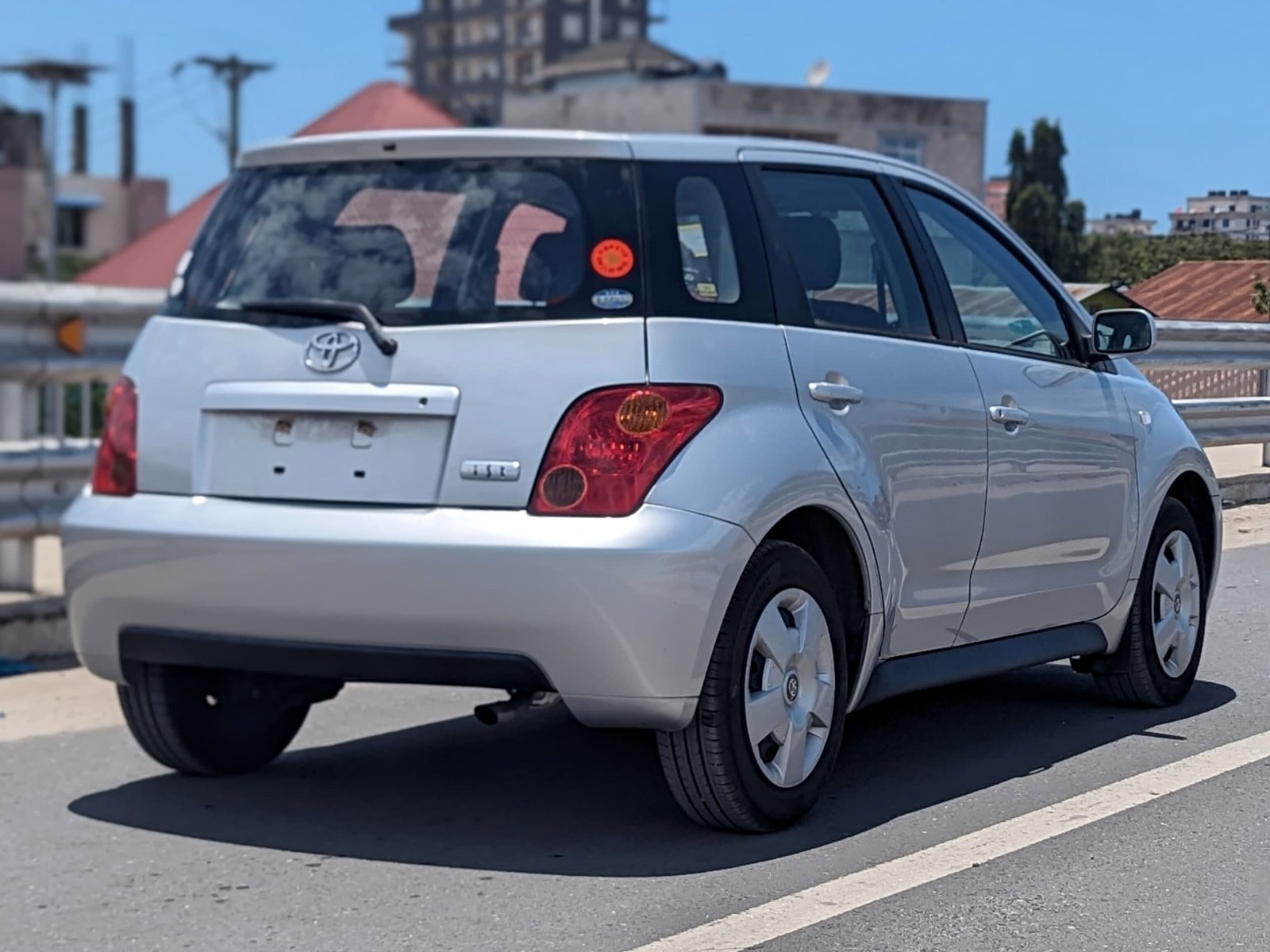
9. Toyota IST
Compact and fuel-efficient, the Toyota IST is especially popular in urban areas. It’s one of those cars you see everywhere, quietly doing the job of moving people around the city, especially through ride-hailing services. In fact, the IST has become so common in Tanzania that its name is often used casually to describe cheap, entry-level passenger cars in general, even when the car isn’t actually an IST.
10. Toyota Vitz
Arguably the most widespread entry-level passenger car in Tanzania, the Vitz is valued for its affordability, low fuel consumption, and ease of maintenance.
Closing thoughts
Although neither Tanzania nor Japan publishes official rankings of vehicle models by import volume, the evidence on the ground is clear. Japan’s passenger vehicle export structure, combined with Tanzania’s consistent import patterns, has shaped a national fleet dominated by a small group of proven models.
These ten vehicles stand out not because they are new or fashionable, but because they work: they survive Tanzania’s roads, fit local budgets, and remain serviceable for many years. As long as Japan remains Tanzania’s primary source of passenger vehicles, these models are likely to continue defining what Tanzanians drive every day.