

The 10 Public Parastatals Quietly Shaping Tanzania’s Future
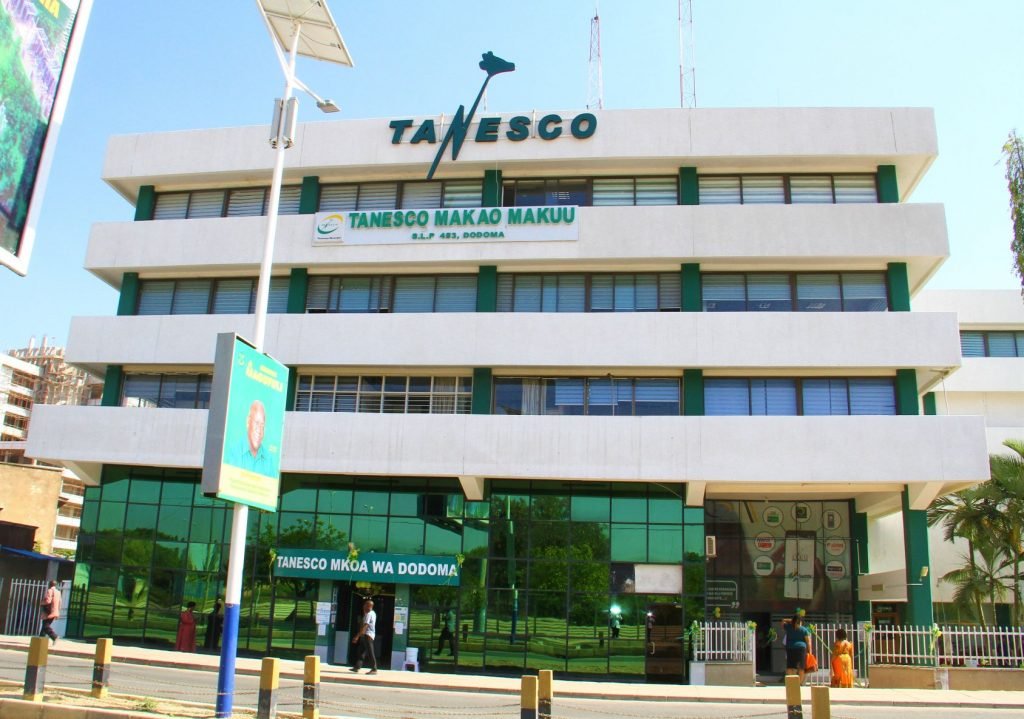
Tanzania’s economic future is being shaped less by private corporations and more by powerful public institutions that control energy, ports, railways, aviation, housing, roads, and regulation. This analysis looks at ten parastatals whose mandates, spending power, and strategic decisions quietly determine competitiveness, logistics costs, investment flows, and national growth.
When people talk about “big companies” in Tanzania, they usually think of banks, breweries, telecoms, or large family-owned conglomerates. But if you zoom out to the structural level, a different truth appears: the institutions that shape the future most deeply are public parastatals.
They decide where infrastructure is built, what gets financed, how energy flows, how trade passes through ports and borders, and how cities expand. They control assets that private companies could never assemble on their own, and they operate on time horizons measured not in quarters, but in decades.
Their influence is massive for three reasons.
First, they allocate capital at national scale. A single decision by TANESCO, TRC, TANROADS, or TPA can shift billions of shillings in economic activity, redirect investment flows, and redefine which regions grow faster than others.
Second, they set the rules of the game. Regulators like TCAA, TPDC, and sector authorities determine pricing structures, access, standards, incentives, and compliance. In many sectors, profitability is not only about competition. It is about how the public institutions design the field.
Third, they carry strategic risk. If ports stall, industries suffer. If power fails, factories shut down. If rail falls behind, logistics costs rise across the entire economy. In other words, when parastatals execute well, growth looks effortless. When they fail, everyone feels it.
This list focuses on ten public parastatals and state-linked giants whose mandates, budgets, and systemic footprints give them extraordinary leverage over Tanzania’s future. They do not simply participate in the economy. They shape the terrain on which the entire economy operates.
And here is where that power sits.
1. TANESCO
Power supply — the foundation layer
Everything sits on electricity. TANESCO manages generation, transmission, and distribution across hydropower, gas and grid expansion.
Scale snippet:
- National installed capacity: roughly 1,900–2,000 MW
- Mwalimu Nyerere Hydropower Project alone expected around 2,115 MW when fully online
- Millions of customers connected and rising each year
2. TPDC (Tanzania Petroleum Development Corporation)
Gas, LNG, and energy security
TPDC is central in upstream gas, pipelines, LNG negotiations and industrial gas supply.
Scale snippet:
- Over 40+ trillion cubic feet of proven natural gas reserves
- Major gas pipeline network delivering gas to power plants and industries
- Stakeholder in multi-billion-dollar LNG development framework
3. TRC (Tanzania Railways Corporation)
Rail as national productivity
SGR and network rehabilitation aim to shift heavy cargo from road to rail.
Scale snippet:
- Standard Gauge Railway: more than 1,600 km planned across key corridors
- Multi-billion-dollar government capital program
- Designed speeds: up to 160 km/h for passengers, 120 km/h for cargo
4. TPA (Tanzania Ports Authority)
Gateway to global markets
Controls major seaports, shaping logistics competitiveness.
Scale snippet:
- Dar es Salaam handles over 15 million tons of cargo annually
- Serves land-locked neighbors (DRC, Zambia, Rwanda, Burundi, Uganda)
- Port upgrades worth billions invested over the past decade
5. TANROADS
The everyday economy runs on roads
Manages trunk and regional roads connecting production to markets.
Scale snippet:
- Supervises more than 35,000 km of roads and bridges
- Oversees flagship road corridor projects across multiple regions
- Billions in annual infrastructure spending tied to maintenance and expansion
6. Air Tanzania (ATCL)
Strategic aviation and national reach
ATCL influences tourism, business travel and national positioning.
Scale snippet:
- Fleet expansion includes Dreamliners, A220s, and cargo capability
- Dozens of domestic routes plus selective international expansion
- Supports millions of tourism and business passenger journeys annually
7. TCAA (Tanzania Civil Aviation Authority)
Regulation as infrastructure
Ensures safe skies, compliance, and international credibility.
Scale snippet:
- Oversees all domestic and international carriers using Tanzanian airspace
- Regulates airports, aerodromes, airlines and aviation training
- Directly linked to tourism and investor perception ratings
8. TASAC (Tanzania Shipping Agencies Corporation)
Regulation, maritime safety, and shipping governance
Ports don’t function on cranes and docks alone. They depend on rules, compliance, and credible oversight. TASAC is the regulator that anchors Tanzania’s maritime system, ensuring that the ships, cargo, and service providers operating through Tanzanian waters meet international standards.
TASAC’s work shapes:
- maritime safety and vessel certification
- licensing of shipping agents and maritime operators
- enforcement of international conventions
- cargo oversight and documentation in designated areas
- coordination with TPA and global shipping lines
In practice, TASAC influences whether global carriers trust Tanzania’s ports, whether insurance costs stay manageable, and whether logistics chains operate with transparency instead of informal shortcuts.
9. NHC (National Housing Corporation)
Urbanization and real estate footprints
NHC shapes how Tanzania’s urbanization physically materializes.
Scale snippet:
- Thousands of housing and commercial units nationwide
- Major mixed-use developments across prime urban zones
- One of the country’s largest public landlords and developers
10. NMB Bank (state-linked, systemically important)
A financial engine with public relevance
Supports government payments, SMEs, agriculture and digital banking reach.
Scale snippet:
- Assets in the trillions of shillings
- Millions of account holders across urban and rural branches
- Among the largest taxpayers and lenders in the economy
Why these snippets matter
They do two things:
- They make the scale of state influence visible.
- They show why private companies often operate inside systems built by parastatals.
Public infrastructure → determines private profitability.
Public regulation → shapes market structure.
Public capital allocation → creates or kills opportunity.
That’s the real economy picture.
