
Agricultural Reforms and Food Self-Sufficiency: Implications for Tanzania’s GDP (2025–2030)
Ready
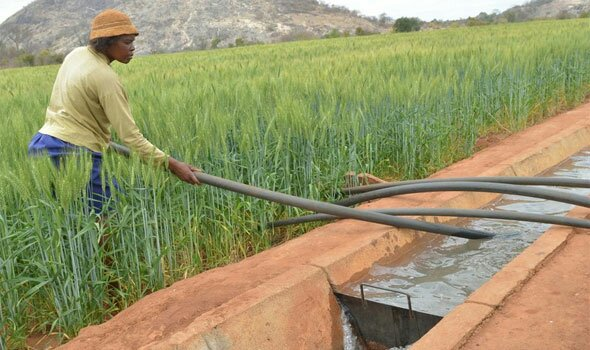
2030 Target: 5 million hectares under irrigation, enabling multiple cropping cycles, higher yields, and climate resilience.
Tanzania’s agricultural sector is undergoing a strategic transformation aimed at enhancing food security, boosting exports, and driving GDP growth. With reforms focused on irrigation, mechanization, and market expansion, the sector is set to play a pivotal role in the country’s economic future.
Irrigation Expansion: Toward 5 Million Hectares by 2030
- Current Progress: From 727,280 hectares in 2024 to 1.2 million hectares by 2025, the government is steadily expanding irrigation coverage.
- 2030 Target: 5 million hectares under irrigation, enabling multiple cropping cycles, higher yields, and climate resilience.
- Impact on GDP: According to the African Development Bank, full implementation could contribute 1–2% annual GDP growth while reducing reliance on food imports and stabilizing prices.
Mechanization: Boosting Productivity and Efficiency
- Current Trends: Small tractors and modern machinery adoption is increasing, improving efficiency, reducing labor dependency, and cutting post-harvest losses.
- 2030 Projection: Widespread mechanization could allow farmers to cultivate larger areas more effectively, supporting large-scale commercial agriculture.
- Impact on GDP: Greater mechanization is projected to raise crop yields by 30–50%, translating into higher agricultural output and exportable surplus.
Export Potential: Expanding Regional and Global Markets
- Current State: Tanzania is leveraging improved productivity to increase exports of maize, rice, cassava, and horticultural products within East Africa.
- 2030 Outlook: With irrigation, mechanization, and better logistics, Tanzania could become a regional food hub, capturing markets in Kenya, Uganda, Rwanda, and the DRC.
- Economic Impact: Boosting exports could generate $2–3 billion annually in foreign exchange by 2030, strengthening GDP and supporting industrial linkages in agro-processing.
Supporting Initiatives
- SME Support: Loans targeting women, youth, and disabled farmers (TZS 240.9 billion in 2025) are fostering local production and entrepreneurship.
- Infrastructure Investments: Roads, storage, and processing facilities reduce post-harvest losses, improve market access, and increase farm profitability.
- Policy Reforms: Land-use regulations, input subsidies, and crop insurance are improving resilience and incentivizing long-term investment.
Conclusion
By 2030, Tanzania’s agricultural sector has the potential to transform the economy. Strategic irrigation expansion, mechanization, and export-oriented growth can:
- Enhance food self-sufficiency and reduce imports.
- Increase GDP contribution from agriculture by 2–3%.
- Generate jobs, stimulate agro-industrial development, and strengthen regional trade.
Tanzania’s path to 2030 demonstrates that a holistic, data-driven agricultural strategy is central to achieving Vision 2050 goals, ensuring economic growth, food security, and prosperity for all citizens.
 Uchumi360
Business Intelligence
Uchumi360
Business Intelligence
Uchumi360 covers business, investment, and economic policy across East, Central, and Southern Africa.
For the serious reader
You read to the end. That places you in a small group.
Uchumi360 is built for readers who demand precision over speed, structure over sentiment, and analysis that holds uncomfortable conclusions rather than softening them. If this work sharpens how you think about Africa's economy, help us keep building the infrastructure behind it.
Institutional Partners
Commission intelligence. Shape the conversation.
Uchumi360 works with development finance institutions, investment firms, sovereign bodies, and strategic organisations across the coverage region. Institutional partnership unlocks:
- Commissioned sector and country intelligence reports
- Branded research series under your institution's authority
- Exclusive data briefings for internal strategy teams
- Speaking and editorial presence at Uchumi360 events
- Co-published investment outlooks for your markets
Support Our Work
Independent analysis has a cost. Help us bear it.
Uchumi360 does not carry advertising. It does not take editorial direction from sponsors. Every article is produced without commercial compromise. Your contribution funds the reporting, research, and editorial infrastructure that keeps this analysis free from influence.
Secure checkout: One-time and monthly support are processed securely. Add payment credentials to enable checkout here.
Stay Connected
Keep up with every new insight.
Follow our latest analysis, policy coverage, and market intelligence as soon as it is published. If you need something specific, reach out directly and we will point you to the right research.
