

Energizing Growth: CCM's Power Sector Reforms
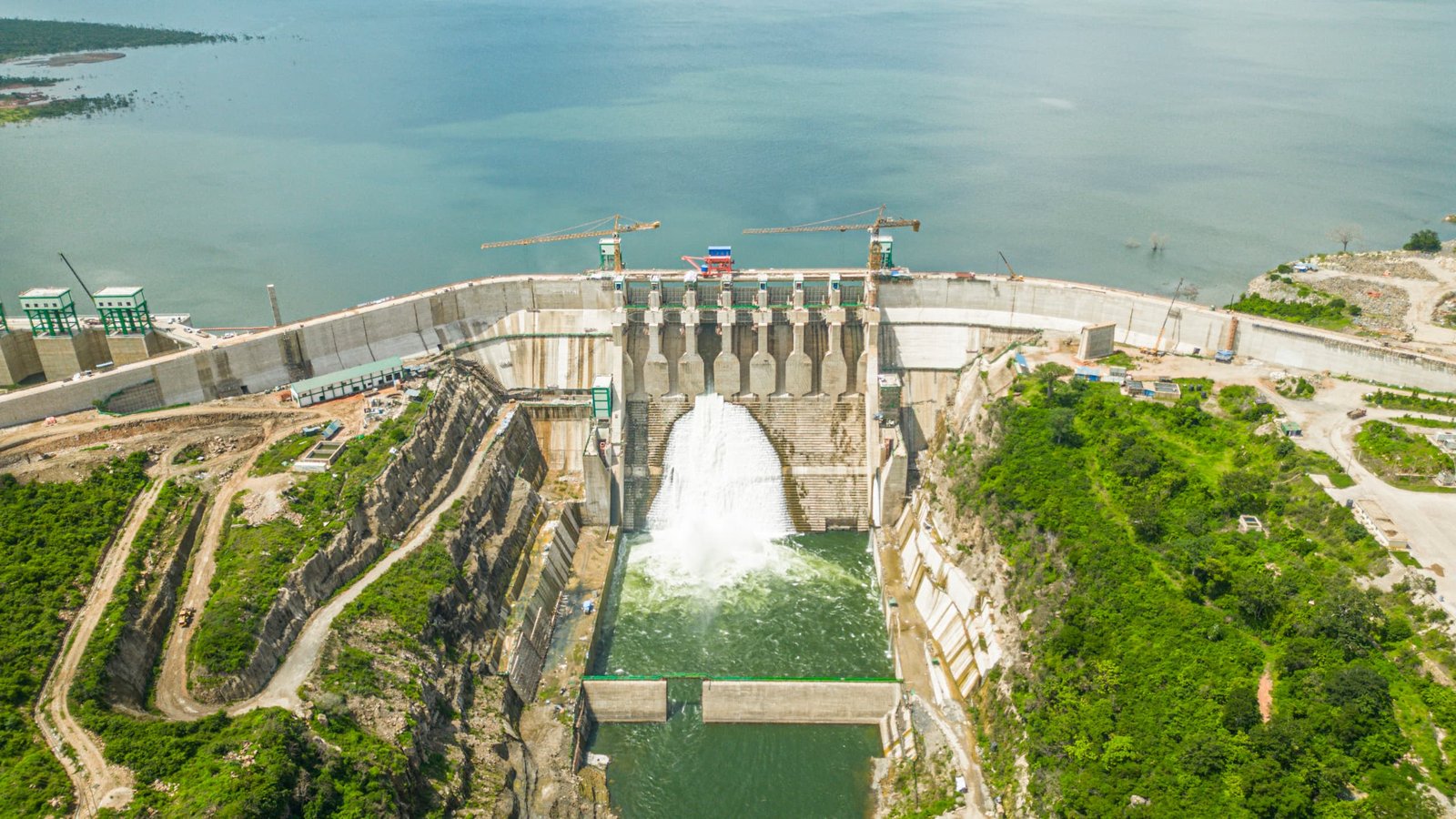
The CCM 2025 manifesto boosts power capacity from 1,602 MW in 2020 to 3,078 MW in 2024, aiming for 8,000 MW by 2030 with renewables and AI tools. Funding and climate risks test this energy vision.
By Uchumi360 Economics Desk
DAR ES SALAAM — As Tanzania approaches its 2025 general elections, the Chama Cha Mapinduzi (CCM) party's manifesto casts the power sector as a linchpin for economic expansion. The document highlights a significant boost in generation capacity, rising from 1,602 megawatts (MW) in 2020 to 3,078 MW in 2024, driven by renewable energy and grid enhancements. With a bold target to reach 8,000 MW by 2030, CCM aims to electrify rural areas and fuel industrialization. But can this energy revolution overcome funding shortages and technical hurdles?
The manifesto builds on a solid base. The increase in capacity, fueled by solar, wind, and hydropower projects, has extended electricity to 12,318 villages in 2024 from 8,587 in 2020, powering 3.5 million new households. This has spurred small business growth, with the Tanzania Private Sector Foundation (TPSF) reporting a 15% rise in rural enterprise activity since 2022. The shift to renewables, now 40% of the mix, reflects global trends, reducing reliance on costly diesel imports that spiked during the 2023 El Niño crisis. Independent data from the World Bank confirms a 92% increase in installed capacity, aligning with CCM’s narrative, though actual output lags due to transmission losses averaging 15%.
Looking ahead, the vision is ambitious. The manifesto outlines plans to connect 15,000 villages by 2030, targeting 100% rural electrification, and integrate satellite technology for grid monitoring alongside AI-driven efficiency tools. This could support a manufacturing boom, with the East African Community (EAC) Secretariat estimating a 2-3% GDP uplift if power costs drop from $0.12 to $0.08 per kilowatt-hour. The African Development Bank projects that achieving 8,000 MW, double the current 3,900 MW peak demand—could attract $5 billion in FDI, particularly in energy-intensive industries like aluminum and cement. Off-grid solar, planned for 500,000 households, aims to bridge remote gaps, creating 300,000 jobs.
Funding is the crux. The manifesto proposes a $10 billion investment, blending government budgets, PPPs, and international loans, against a 40% debt-to-GDP ratio. The World Bank has committed $1.5 billion for renewables, but the remaining $8.5 billion depends on private capital, with the Tanzania Investment Centre (TIC) noting 901 projects registered in 2024, including 50 energy-related ones. Technical challenges persist: transmission losses and aging infrastructure require $2 billion in upgrades, while skilled labor shortages, only 5% of technicians are certified, could delay projects. The International Monetary Fund (IMF) warns that cost overruns, as seen in the $600 million Rufiji hydropower project, could push debt to 45% of GDP.
Environmental and climate risks loom large. The manifesto’s focus on renewables mitigates carbon emissions, but hydropower’s 60% share faces drought threats, with 2023’s El Niño cutting output by 20%. CCM plans climate-resilient designs and battery storage, but funding lags, only $200 million is allocated. Greenpeace highlights potential ecosystem damage from dam expansions, urging stricter safeguards.
Despite these obstacles, the outlook is bright. Deloitte’s East Africa Outlook 2025 forecasts a 5.3% growth rate, with energy as a driver, potentially powering 1 million new jobs by 2030. President Samia Suluhu Hassan’s promise to “energize Tanzania’s future” resonates with a population where 30% lack reliable power. If CCM delivers, Tanzania could become East Africa’s energy hub by 2030, fueling a sustainable economic surge.
