

Why Energy Is Tanzania’s Most Bankable Growth Engine Under Vision 2050
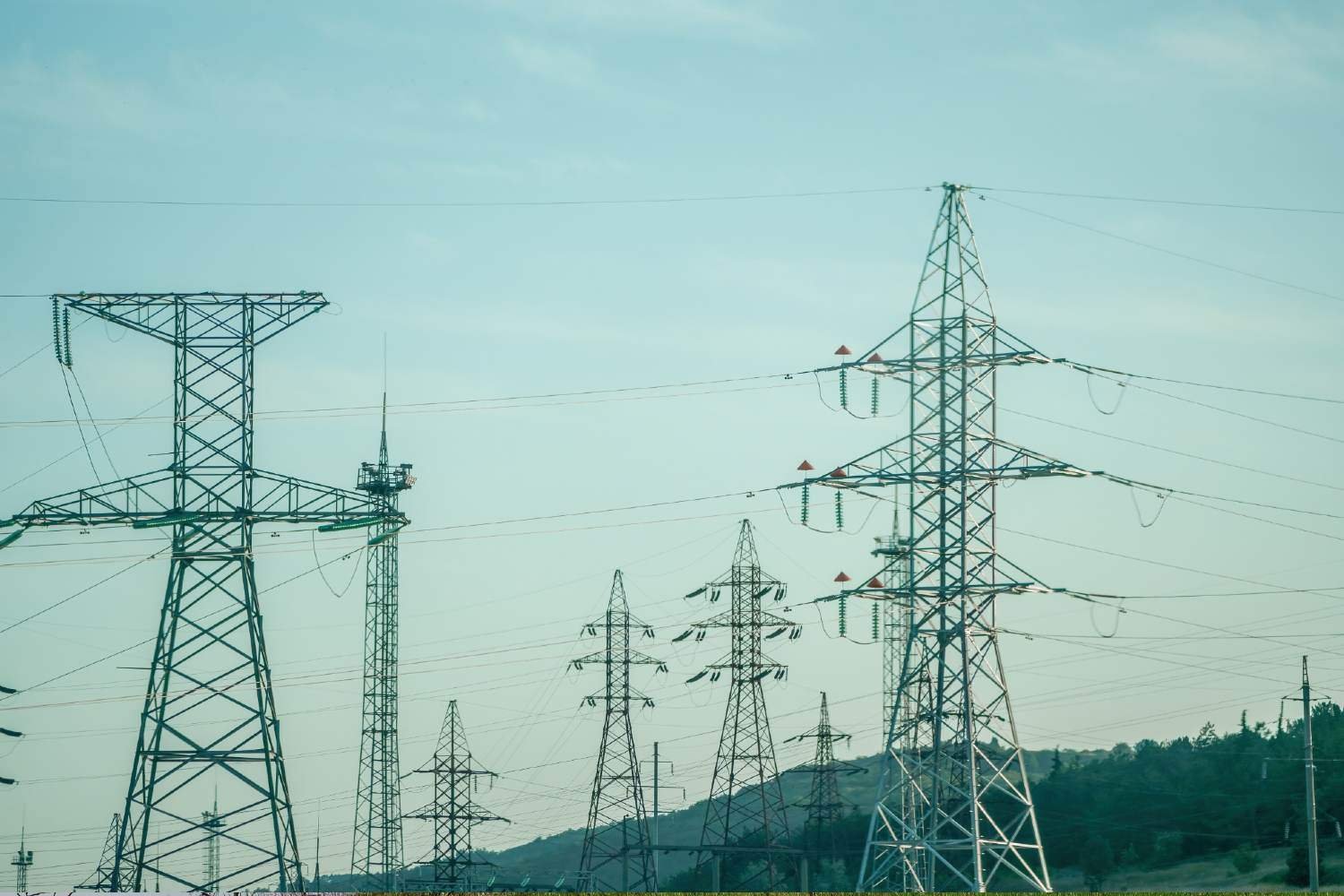
Tanzania is building an energy surplus economy. Vision 2050 aims to turn the country into a regional power exporter, lowering industrial costs and creating one of Africa’s most attractive environments for energy-driven investment.
Tanzania Development Vision 2050 sends a clear signal to capital markets: energy will be the foundation of the country’s next phase of economic growth.
The government is not planning for marginal expansion. It is planning for energy surplus. By 2050, Tanzania intends to move from a power-constrained economy into a net exporter of electricity to East and Southern Africa. This is not a political slogan. It is a capital deployment strategy.
Under Vision 2050, per-capita electricity consumption is targeted to rise from roughly 170 kilowatt-hours today to about 3,000 kilowatt-hours by 2050. That scale of increase is only possible when heavy industry, advanced manufacturing, data infrastructure, transport electrification and modern urban systems all expand simultaneously. In other words, the country is designing itself for industrialisation, not subsistence.
To support this, Tanzania is committing to a diversified generation portfolio anchored by natural gas, hydropower, solar, wind and geothermal. Grid efficiency is also being upgraded, with transmission and distribution losses targeted to fall below 10 percent. That means more usable electricity per megawatt generated and stronger project economics for producers and distributors.
For investors, this matters because energy determines cost competitiveness. Manufacturing, mineral processing, fertiliser, chemicals, data centres and modern agribusiness all become viable when power is reliable and priced for scale. Vision 2050 is deliberately lowering Tanzania’s energy risk profile so that capital-intensive industries can operate with predictable margins.
The regional dimension strengthens the case further. Tanzania is positioning itself as a power exporter to neighbouring markets that face persistent supply gaps. Regional interconnectors will allow Tanzanian electricity to flow into Zambia, Malawi, Rwanda, Burundi and eastern DRC, creating long-term foreign-currency revenue streams tied to contractual power sales.
This is the kind of structure investors look for: domestic demand growth combined with export upside.
The opportunity is therefore not limited to state utilities. Private capital will find room across:
- power generation projects
- renewable energy portfolios
- gas-to-power infrastructure
- transmission and storage
- industrial parks anchored to reliable power
- energy-intensive manufacturing
As Tanzania builds energy abundance, it is also building industrial gravity. Capital follows power.
Vision 2050 is effectively telling investors that Tanzania intends to be one of the most energy-competitive locations in Africa over the next two decades. Those who enter early will be financing not just power plants, but the industrial economy that grows around them.
