
TANESCO Expands Mtwara Power Plant: Boosting Tanzania’s Energy Growth
Ready
This expansion raises the station’s total generation capacity from 57.5MW to 77.5MW, a move that transitions the southern corridor particularly Lindi and Mtwara, from energy deficit to self-sufficiency.
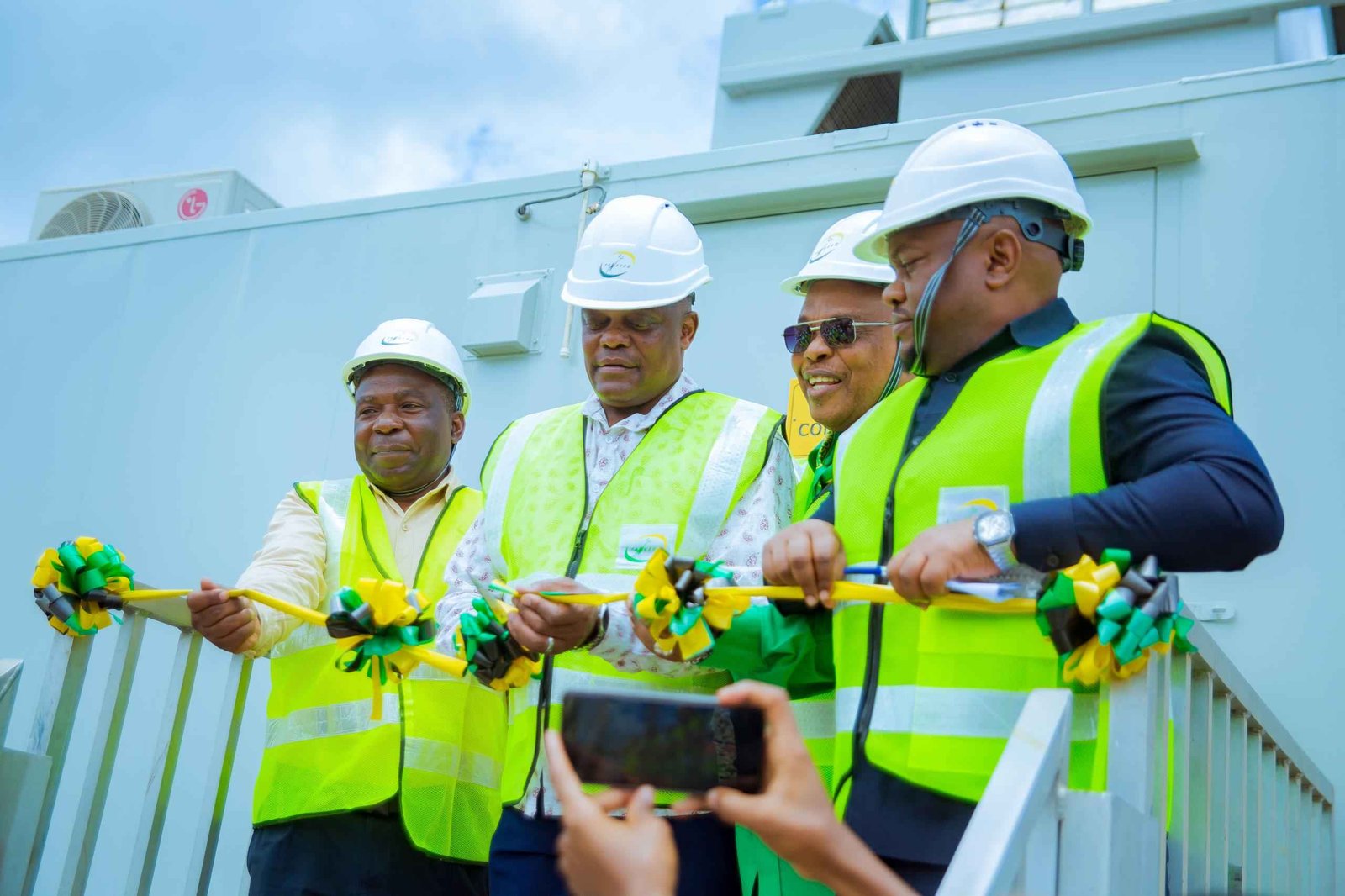
Tanzania’s energy landscape has taken another strategic step forward following the commissioning of a new 20-megawatt gas-fired power plant at TANESCO’s Mtwara II station. This expansion raises the station’s total generation capacity from 57.5MW to 77.5MW, a move that transitions the southern corridor particularly Lindi and Mtwara, from energy deficit to self-sufficiency.
From an Uchumi 360 perspective, this investment represents more than just additional megawatts; it reflects the deepening of Tanzania’s regional energy equity and industrial competitiveness. With a current regional peak demand of 38.5MW, the 77.5MW capacity not only covers existing consumption but also creates a surplus buffer to power future industrial clusters, agro-processing facilities, and small-to-medium enterprises (SMEs).
1. Regional Economic Impact
The availability of reliable electricity is expected to unlock latent economic potential in the southern regions. Historically, Lindi and Mtwara have suffered from underinvestment and logistical constraints despite hosting strategic natural gas resources and fertile agricultural land.
- The new power surplus strengthens investment attractiveness, particularly for energy-intensive sectors like cement, cashew processing, and fisheries.
- It is also anticipated to reduce production costs, making southern industries more competitive both domestically and in export markets such as Mozambique and the wider SADC region.
2. Energy Policy and Fiscal Implications
This project aligns with Tanzania’s Vision 2025 and the National Energy Policy (2015) goals of increasing access and promoting energy reliability as a driver of inclusive growth.
Economically, the investment demonstrates a shift from dependency on diesel-based generation toward gas-to-power integration, which improves cost efficiency and environmental sustainability.
In the fiscal context, the project’s operationalization will likely reduce government subsidies for fuel imports, strengthen TANESCO’s revenue base, and lower the balance-of-payments pressure through reduced foreign exchange outflows.
3. Employment and Industrial Linkages
Beyond direct employment during the construction phase, the multiplier effects are significant:
- Stable energy access enables value chain expansion in cashew, sesame, and seaweed processing.
- Enhanced energy security encourages urbanization and service sector growth, including logistics, ICT, and education infrastructure.
4. Strategic and Infrastructure Synergy
The project also complements Tanzania’s broader southern economic corridor strategy, which includes the Mtwara - Mbamba Bay road, the Lindi–Mtwara gas pipeline, and the Mtwara port modernization plan. Together, these initiatives create an integrated infrastructure system capable of transforming the region into a regional trade and manufacturing hub.
Conclusion and Outlook
The commissioning of the Mtwara II gas power expansion symbolizes Tanzania’s gradual transition from energy constraint to energy-enabled growth. For sustained impact, policymakers must:
- Promote industrial incentives to utilize the new energy surplus.
- Integrate renewable and hybrid systems to diversify the energy mix.
- Encourage public-private partnerships (PPPs) to scale similar projects in other underpowered regions.
If well-coordinated, the Mtwara model could become a blueprint for balanced regional development, strengthening Tanzania’s journey toward industrialization and middle-income status by 2030.
 Uchumi360
Business Intelligence
Uchumi360
Business Intelligence
Uchumi360 covers business, investment, and economic policy across East, Central, and Southern Africa.
For the serious reader
You read to the end. That places you in a small group.
Uchumi360 is built for readers who demand precision over speed, structure over sentiment, and analysis that holds uncomfortable conclusions rather than softening them. If this work sharpens how you think about Africa's economy, help us keep building the infrastructure behind it.
Institutional Partners
Commission intelligence. Shape the conversation.
Uchumi360 works with development finance institutions, investment firms, sovereign bodies, and strategic organisations across the coverage region. Institutional partnership unlocks:
- Commissioned sector and country intelligence reports
- Branded research series under your institution's authority
- Exclusive data briefings for internal strategy teams
- Speaking and editorial presence at Uchumi360 events
- Co-published investment outlooks for your markets
Support Our Work
Independent analysis has a cost. Help us bear it.
Uchumi360 does not carry advertising. It does not take editorial direction from sponsors. Every article is produced without commercial compromise. Your contribution funds the reporting, research, and editorial infrastructure that keeps this analysis free from influence.
Secure checkout: One-time and monthly support are processed securely. Add payment credentials to enable checkout here.
Stay Connected
Keep up with every new insight.
Follow our latest analysis, policy coverage, and market intelligence as soon as it is published. If you need something specific, reach out directly and we will point you to the right research.
