
DRC Copper Is Now Part of America’s Strategic Mineral Reserve
Ready
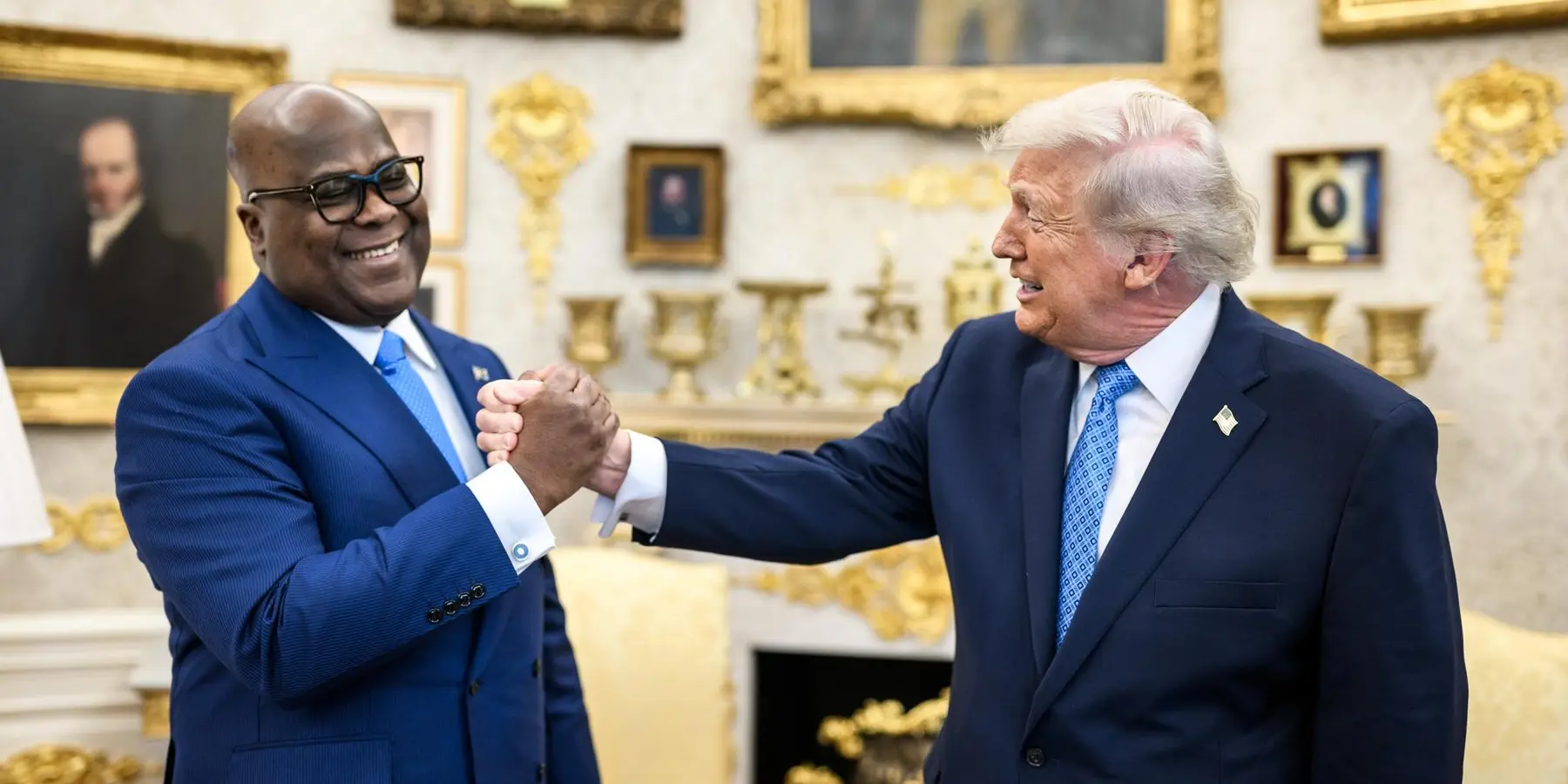
Mercuria has delivered 12,000 tonnes of Congolese copper into the United States’ Project Vault strategic minerals reserve, moving US DRC mineral cooperation from agreements and diplomatic commitments into an actual commodity supply chain. The transaction strengthens Congo’s position as competition over future copper supply intensifies.
The Democratic Republic of Congo has moved from being discussed as a potential partner in Washington’s critical minerals strategy to physically supplying metal into a US strategic reserve, a shift that gives the country a more direct role in American industrial policy and strengthens the strategic value of its copper industry beyond the long running focus on cobalt.
Commodity trader Mercuria delivered 12,000 tonnes of Congolese copper into Project Vault, the United States’ new strategic minerals stockpile, marking the programme’s first announced copper delivery. The metal is being stored in warehouses on the US Gulf and East coasts and can be released to American industrial users if supply disruptions occur. Project Vault is backed by about $12 billion and is intended to build inventories of minerals required by civilian industries, while reducing the exposure of US manufacturers to supply disruptions and concentrated foreign sourcing.
The transaction is materially different from the series of agreements, memoranda and diplomatic initiatives that have shaped US engagement with the DRC over the past several years because copper has now physically moved from the Congolese supply chain into an American strategic reserve. Mercuria and Glencore are anchor participants in the programme, with each receiving a $500 million financing commitment from the US Export Import Bank to source and deliver minerals into the stockpile.
S&P Global reported that the 12,000 tonne delivery was made through the Mercuria Gécamines joint venture and that the DRC has committed to supply at least 100,000 tonnes of copper to the United States through the arrangement, which suggests that the first shipment should be treated as the beginning of a larger procurement relationship rather than an isolated trade.
Copper Is Becoming As Strategically Important As Cobalt
The DRC’s strategic role in global mineral markets has traditionally been discussed through cobalt because the country dominates global mine supply and remains critical to battery production, but copper is increasingly becoming equally important as electrification, data centres, grid investment and renewable energy infrastructure increase global demand for the metal.
Copper prices have been trading near historic highs, supported by expectations that future mine supply will struggle to keep pace with demand growth, while governments and industrial buyers are becoming more concerned about securing long term access to metal. The Financial Times reported that benchmark copper prices had approached $15,000 per tonne amid growing concern over future shortages and possible US trade measures.
That environment gives the DRC greater bargaining power because it is already one of the world’s largest copper producers and continues to expand output from major mines in the southern part of the country. The strategic importance of Congolese copper is therefore no longer limited to its contribution to global commodity supply, but increasingly extends into the industrial security calculations of major economies trying to reduce their dependence on concentrated mineral supply chains.
The Project Vault transaction shows how that shift is beginning to affect actual trade flows. The United States is not simply encouraging American companies to invest in African mining projects or signing cooperation agreements with mineral producing governments, but is purchasing Congolese metal and placing it inside a strategic inventory designed to protect domestic industry.
Project Vault Changes The Nature Of US Mineral Engagement With Congo
Washington has spent several years attempting to build stronger commercial relationships with African mineral producers as competition with China over critical mineral supply chains has intensified, particularly in the DRC where Chinese companies have established dominant positions across several major copper and cobalt operations.
Project Vault introduces a different instrument because strategic stockpiling allows the United States to influence commodity flows without necessarily controlling the mines themselves. Through traders such as Mercuria and Glencore, Washington can secure physical inventories of copper and other minerals while using public financing from the Export Import Bank to reduce the commercial risk associated with accumulating large stocks.
Mercuria and Glencore together have committed $1 billion to VaultCo, the entity implementing Project Vault, with US financing supporting their procurement activities. The initiative is designed to create inventories that can be released to manufacturers during periods of supply disruption or market dislocation, giving the United States a buffer against geopolitical shocks and shortages.
The policy also has implications for commodity markets because strategic government buying can compete with ordinary industrial demand, especially when inventories are being accumulated during periods of tight supply. US defence and industrial groups have already raised concerns that Project Vault could contribute to higher prices for minerals that are already scarce, although the programme’s stated objective is to protect manufacturers rather than compete with them.
For the DRC, however, the emergence of another large strategic buyer could strengthen demand for Congolese production and increase competition among international buyers for future supply.
Lobito Is The Infrastructure Side Of The Same Strategy
The mineral stockpile programme is closely connected to the wider effort to create supply routes that reduce dependence on existing logistics networks dominated by Chinese capital and commercial relationships.
The US backed Lobito Corridor is central to that strategy because it is designed to connect the copper and cobalt producing regions of the DRC and Zambia to Angola’s Atlantic coast through upgraded and newly constructed rail infrastructure. Africa Finance Corporation, which is leading development of the corridor, said in October that it intends to expand its investments in critical minerals, including copper, uranium, iron ore and other commodities that are becoming more strategically important to global industrial policy.
The corridor matters because mineral security depends on more than ownership of mines. Copper and cobalt produced in the DRC must move through ports, railways, warehouses and trading networks before they reach refiners and industrial consumers, and control over those routes can influence the cost, speed and geopolitical alignment of supply.
Lobito gives Congolese and Zambian producers an additional route to Atlantic markets rather than relying entirely on transport corridors running east and south toward Indian Ocean ports. If the corridor eventually handles significant volumes of copper and cobalt destined for the United States or Europe, the infrastructure could become an important part of the same supply chain that Project Vault is attempting to secure at the destination end.
The strategic architecture is therefore becoming clearer. Investment in mines expands production, the Lobito Corridor provides an alternative export route, commodity traders organise procurement and logistics, while Project Vault creates a guaranteed or highly credible destination for part of the output.
The DRC Has More Bargaining Power, But Value Capture Remains The Question
The growing competition for Congolese copper improves the DRC’s negotiating position because international buyers increasingly need access to resources that cannot easily be replaced by production elsewhere, but the economic value captured by Congo will depend on whether this strategic demand translates into greater investment, higher fiscal revenue, more domestic processing and stronger infrastructure.
Exporting additional copper concentrates or refined metal can increase foreign exchange earnings, but the largest economic gains would come if the country uses rising geopolitical competition to negotiate better commercial terms around processing, electricity infrastructure, logistics, local procurement and industrial development.
The DRC already occupies an unusually strong position because it combines large copper reserves with dominant cobalt production and proximity to Zambia’s own Copperbelt. The development of Lobito and increased US procurement could give Kinshasa more options when negotiating with Chinese, American, European and Gulf investors, particularly as all of these groups compete for long term mineral access.
However, additional buyers do not automatically change the structure of the mining economy. If strategic competition merely increases the volume of raw minerals leaving the country without expanding domestic value addition, the DRC could remain central to global supply chains while capturing a relatively small share of the industrial value created downstream.
Governance Risk Remains Part Of The Investment Story
The commercial significance of the Project Vault shipment arrived during the same period as a separate governance development that could affect investor perceptions of the Congolese mining sector.
Belgian police searched several properties in Brussels and surrounding areas on 14 October as part of a money laundering investigation linked to allegations involving mining revenues from the DRC. Lawyers representing Congolese civil society organisations said the investigation concerns relatives and associates of President Félix Tshisekedi, while Belgium’s Federal Prosecutor’s Office confirmed that searches had taken place but declined to identify the people targeted. The Congolese presidency declined to comment, and no wrongdoing by President Tshisekedi has been established in the reported proceedings.
The allegations remain under investigation and should therefore be separated from the commercial developments surrounding Project Vault, but they illustrate the governance risks that continue to sit alongside Congo’s growing strategic importance.
International competition for copper and cobalt can increase investment and strengthen the government’s negotiating position, yet investors, lenders and governments also assess transparency, contract enforcement, political risk and the management of mining revenues when making long term commitments.
For the DRC, these two developments therefore move in opposite directions. The delivery of Congolese copper into a US strategic stockpile demonstrates increasing international demand and stronger integration into Western mineral security policy, while the Belgian investigation reinforces the governance concerns that have long accompanied investment in the country’s mining sector.
Congo Is Becoming Part Of Western Industrial Security
The importance of the Mercuria shipment lies less in the 12,000 tonnes itself than in the institutional relationship behind it. Congolese copper has moved into a US stockpile designed specifically to protect American manufacturers from future shortages, while the country’s state owned mining company is involved in a supply arrangement that could eventually deliver at least 100,000 tonnes.
Combined with the Lobito Corridor, US backed financing and the growing involvement of major commodity traders, the transaction suggests that the DRC is moving deeper into Western industrial security planning at a time when governments are increasingly treating copper as a strategic commodity rather than an ordinary industrial metal.
For Congo, this creates an opportunity to turn geological importance into greater economic influence, but the outcome will depend on whether competition for its minerals produces stronger terms for the country itself, including infrastructure, processing capacity, fiscal revenue and domestic industry, rather than simply changing the destination of exported copper.
 Uchumi360
Business Intelligence
Uchumi360 covers business, investment, and economic policy across East, Central, and Southern Africa.
For the serious reader
You read to the end. That places you in a small group.
Uchumi360 is built for readers who demand precision over speed, structure over sentiment, and analysis that holds uncomfortable conclusions rather than softening them. If this work sharpens how you think about Africa's economy, help us keep building the infrastructure behind it.
Institutional Partners
Commission intelligence. Shape the conversation.
Uchumi360 works with development finance institutions, investment firms, sovereign bodies, and strategic organisations across the coverage region. Institutional partnership unlocks:
- Commissioned sector and country intelligence reports
- Branded research series under your institution's authority
- Exclusive data briefings for internal strategy teams
- Speaking and editorial presence at Uchumi360 events
- Co-published investment outlooks for your markets
Support Our Work
Independent analysis has a cost. Help us bear it.
Uchumi360 does not carry advertising. It does not take editorial direction from sponsors. Every article is produced without commercial compromise. Your contribution funds the reporting, research, and editorial infrastructure that keeps this analysis free from influence.
Secure checkout: One-time and monthly support are processed securely. Add payment credentials to enable checkout here.
Stay Connected
Keep up with every new insight.
Follow our latest analysis, policy coverage, and market intelligence as soon as it is published. If you need something specific, reach out directly and we will point you to the right research.
