
The Role of Inland Container Depots in Streamlining Tanzanian Trade
Ready
While Tanzania has made significant progress in establishing ICDs, further investments in infrastructure, technology, and transport networks are necessary.
Tanzania’s growing trade sector has highlighted the need for efficient logistics and transport systems. One solution that has increasingly gained attention is the Inland Container Depot (ICD). These facilities play a pivotal role in streamlining trade, reducing congestion at ports, and improving the overall efficiency of the supply chain.
What is an Inland Container Depot?
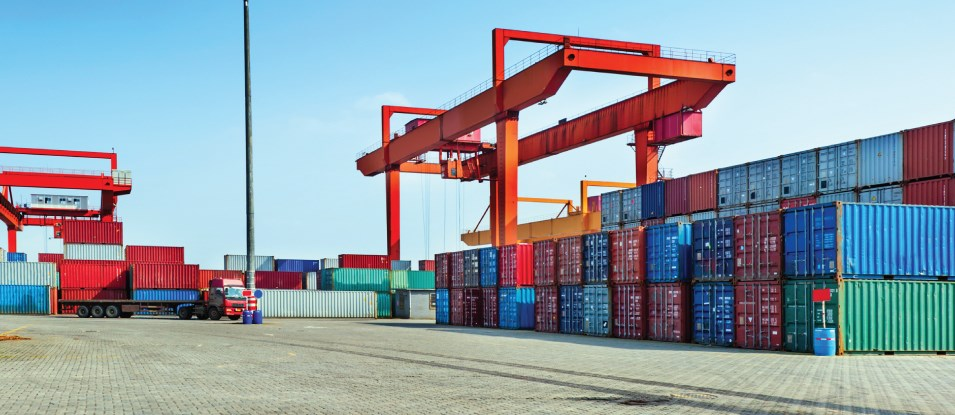
An Inland Container Depot is a specialized facility located away from the main seaport where importers and exporters can store, consolidate, and clear goods before final delivery. Unlike traditional ports, ICDs are situated closer to industrial areas or major cities, offering businesses easier access to transport networks and customs services.
How ICDs Streamline Tanzanian Trade
1. Reducing Congestion at Ports
Dar es Salaam Port, Tanzania’s busiest seaport, often faces congestion due to high volumes of cargo. ICDs help relieve pressure on the port by moving containers inland for temporary storage and customs clearance, ensuring smoother operations at the port itself.
2. Faster Customs Clearance
ICDs are equipped with customs offices and inspection facilities, allowing businesses to clear cargo without physically visiting the port. This reduces delays, minimizes demurrage charges, and speeds up the movement of goods.
3. Cost Efficiency
By enabling cargo consolidation, storage, and pre-inspection, ICDs help businesses reduce transportation and storage costs. Companies can transport multiple shipments in a single trip, lowering logistics expenses significantly.
4. Promoting Regional Trade
ICDs enhance trade within East Africa by serving as hubs for cross-border shipments. For instance, goods destined for landlocked countries like Rwanda, Burundi, and Uganda can be processed at an ICD in Tanzania, improving trade flow in the region.
5. Supporting Industrial Growth
With industries located far from the coast, ICDs provide an accessible point for imports and exports, making it easier for manufacturers and traders to receive raw materials and export finished goods efficiently.
Examples of ICDs in Tanzania
Tanzania has developed several key inland container depots, including:
- Halikati ICD in Dar es Salaam – a hub for storage and customs processing.
- Mwanza ICD – supports trade in the Lake Zone and northern regions.
- Isaka ICD – crucial for cargo destined for Rwanda and Burundi.
These depots have boosted trade efficiency, reduced port congestion, and enhanced the competitiveness of Tanzanian businesses in the regional market.
The Way Forward
While Tanzania has made significant progress in establishing ICDs, further investments in infrastructure, technology, and transport networks are necessary. Streamlined procedures, better connectivity to rail and road networks, and adoption of digital tracking systems will enhance the role of ICDs in Tanzania’s trade ecosystem.
Conclusion
Inland Container Depots are more than just storage facilities they are critical enablers of trade efficiency in Tanzania. By reducing congestion, lowering costs, and speeding up customs clearance, ICDs contribute directly to a more competitive and dynamic Tanzanian economy. As the country continues to grow as a regional trade hub, the expansion and optimization of ICDs will remain essential for sustainable economic development.
 Uchumi360
Business Intelligence
Uchumi360 covers business, investment, and economic policy across East, Central, and Southern Africa.
For the serious reader
You read to the end. That places you in a small group.
Uchumi360 is built for readers who demand precision over speed, structure over sentiment, and analysis that holds uncomfortable conclusions rather than softening them. If this work sharpens how you think about Africa's economy, help us keep building the infrastructure behind it.
Institutional Partners
Commission intelligence. Shape the conversation.
Uchumi360 works with development finance institutions, investment firms, sovereign bodies, and strategic organisations across the coverage region. Institutional partnership unlocks:
- Commissioned sector and country intelligence reports
- Branded research series under your institution's authority
- Exclusive data briefings for internal strategy teams
- Speaking and editorial presence at Uchumi360 events
- Co-published investment outlooks for your markets
Support Our Work
Independent analysis has a cost. Help us bear it.
Uchumi360 does not carry advertising. It does not take editorial direction from sponsors. Every article is produced without commercial compromise. Your contribution funds the reporting, research, and editorial infrastructure that keeps this analysis free from influence.
Secure checkout: One-time and monthly support are processed securely. Add payment credentials to enable checkout here.
Stay Connected
Keep up with every new insight.
Follow our latest analysis, policy coverage, and market intelligence as soon as it is published. If you need something specific, reach out directly and we will point you to the right research.
