
Sea Freight vs Air Freight in Tanzania: Which is Best for Your Business?
Ready
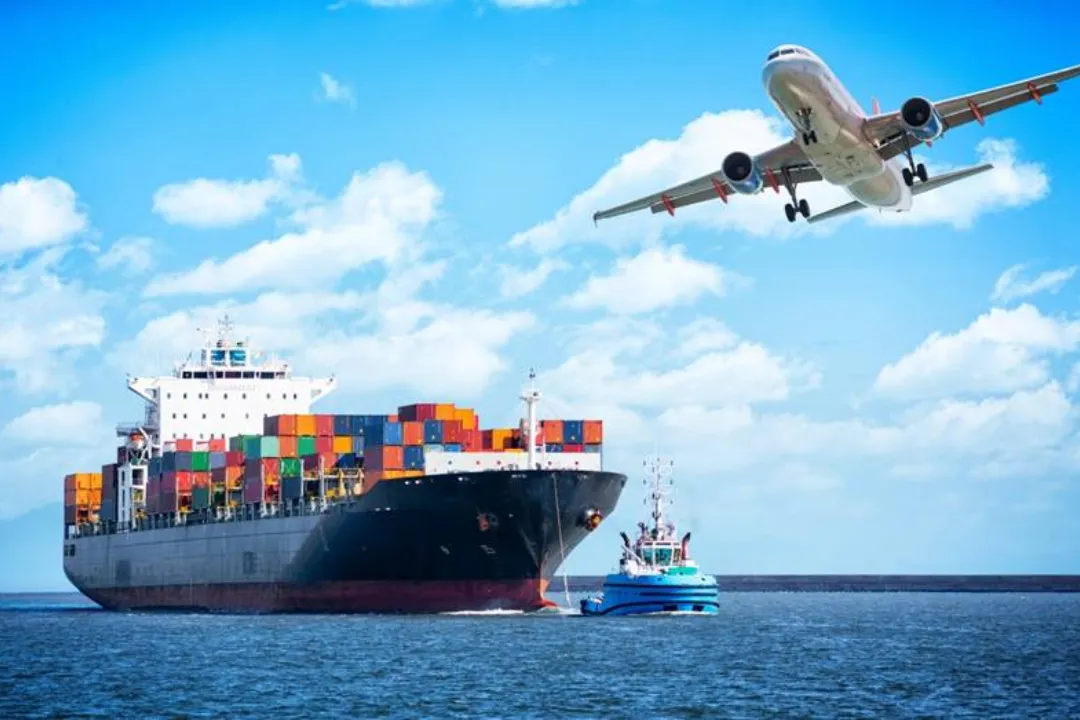
Both sea freight and air freight play a vital role in Tanzanian trade. While sea freight offers affordability and capacity, air freight provides speed and reliability. Understanding the needs of your business, the nature of your goods, and market demands will determine the best shipping solution.
In Tanzania, businesses involved in import and export face a crucial logistics decision: should goods be transported by sea or by air? Each mode of freight has its advantages and disadvantages, and understanding these differences is key to optimizing cost, speed, and reliability.
Understanding Sea Freight and Air Freight
Sea Freight involves transporting goods via ships, typically through Tanzania’s major ports like Dar es Salaam, Tanga, and Mtwara. It is ideal for bulky or heavy cargo that can withstand longer transit times.
Air Freight, on the other hand, involves shipping goods by aircraft, primarily through Julius Nyerere International Airport (JNIA) in Dar es Salaam and other regional airports. It is known for speed, efficiency, and reliability but comes at a higher cost.
Comparing Sea Freight and Air Freight
1. Cost
- Sea Freight: Generally more cost-effective, especially for large or heavy shipments. The cost per kilogram decreases as volume increases.
- Air Freight: Significantly more expensive than sea freight, making it suitable for urgent or high-value goods rather than bulk shipments.
2. Speed
- Sea Freight: Transit times are longer, typically ranging from 15 to 45 days, depending on the origin and destination.
- Air Freight: Much faster, often taking 1 to 7 days, ideal for perishable goods or time-sensitive shipments.
3. Cargo Capacity
- Sea Freight: Can handle large, heavy, and bulky shipments, including machinery, vehicles, and raw materials.
- Air Freight: Limited by aircraft capacity; best for lighter goods, electronics, fashion, or pharmaceutical products.
4. Reliability
- Sea Freight: Subject to weather disruptions, port congestion, and longer transit times.
- Air Freight: Highly reliable, with predictable schedules and fewer delays.
5. Documentation and Regulations
- Sea Freight: Requires detailed documentation for customs clearance, often involving longer processing times.
- Air Freight: Typically simpler documentation and faster customs clearance at Tanzanian airports.
Which is Best for Your Tanzanian Business?
Choosing between sea and air freight depends on your business priorities:
Choose Sea Freight If:
- You are importing/exporting large or heavy cargo.
- Cost savings are a priority.
- Delivery timelines are flexible.
Choose Air Freight If:
- You need fast delivery.
- Shipping high-value or perishable goods.
- Your business requires reliable and predictable schedules.
For many Tanzanian SMEs, a hybrid approach is also viable: using sea freight for bulk shipments while reserving air freight for urgent or high-value goods.
The Role of Logistics Partners
Partnering with experienced freight forwarders and logistics providers in Tanzania can help businesses make the right choice. These experts can provide guidance on cost, transit times, customs clearance, and optimal shipping routes, ensuring your goods reach their destination efficiently.
Conclusion
Both sea freight and air freight play a vital role in Tanzanian trade. While sea freight offers affordability and capacity, air freight provides speed and reliability. Understanding the needs of your business, the nature of your goods, and market demands will determine the best shipping solution. With the right strategy, Tanzanian businesses can maximize efficiency, reduce costs, and remain competitive in regional and global markets.
 Uchumi360
Business Intelligence
Uchumi360 covers business, investment, and economic policy across East, Central, and Southern Africa.
For the serious reader
You read to the end. That places you in a small group.
Uchumi360 is built for readers who demand precision over speed, structure over sentiment, and analysis that holds uncomfortable conclusions rather than softening them. If this work sharpens how you think about Africa's economy, help us keep building the infrastructure behind it.
Institutional Partners
Commission intelligence. Shape the conversation.
Uchumi360 works with development finance institutions, investment firms, sovereign bodies, and strategic organisations across the coverage region. Institutional partnership unlocks:
- Commissioned sector and country intelligence reports
- Branded research series under your institution's authority
- Exclusive data briefings for internal strategy teams
- Speaking and editorial presence at Uchumi360 events
- Co-published investment outlooks for your markets
Support Our Work
Independent analysis has a cost. Help us bear it.
Uchumi360 does not carry advertising. It does not take editorial direction from sponsors. Every article is produced without commercial compromise. Your contribution funds the reporting, research, and editorial infrastructure that keeps this analysis free from influence.
Secure checkout: One-time and monthly support are processed securely. Add payment credentials to enable checkout here.
Stay Connected
Keep up with every new insight.
Follow our latest analysis, policy coverage, and market intelligence as soon as it is published. If you need something specific, reach out directly and we will point you to the right research.
