
TAZARA Railway Rehabilitation and Its Effect on Interregional Trade in Tanzania
Ready
The rehabilitation of TAZARA Railway represents a transformative opportunity for Tanzania and the wider region. By modernizing this strategic transport corridor, Tanzania can enhance trade competitiveness, facilitate regional economic integration, and improve livelihoods along the railway line.
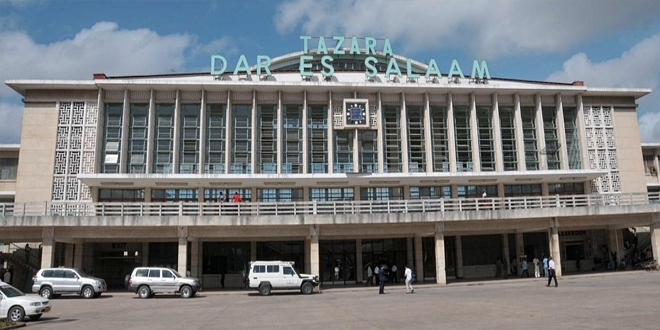
The Tanzania-Zambia Railway Authority (TAZARA) has long been a critical artery for trade and economic connectivity between Tanzania and its landlocked neighbour, Zambia. Stretching over 1,860 kilometres from Dar es Salaam to Kapiri Mposhi, TAZARA has historically facilitated the transport of minerals, agricultural produce, and manufactured goods across the region. However, in recent years, operational inefficiencies, ageing infrastructure, and maintenance challenges have limited its potential, affecting both domestic and regional trade.
Recognizing its strategic importance, the Tanzanian government, the Zambian government, in collaboration with the Chinese Government, the main partner, has embarked on a comprehensive rehabilitation program for TAZARA worth 1.4 billion dollars. This initiative aims to modernize railway tracks, upgrade signalling systems, refurbish locomotives and wagons, and improve station facilities along the route. The rehabilitation is expected to reduce transit times, increase cargo capacity, and enhance service reliability.
Expected Improvements in Services
Faster and More Reliable Cargo Transport
Tanzanians and businesses anticipate a significant reduction in delays that have long plagued cargo shipments. With upgraded tracks and locomotives, goods from agricultural produce like maize, rice, and horticultural exports to industrial minerals can move more efficiently to the port of Dar es Salaam for international export or to domestic markets.
Lower Transportation Costs
Improved efficiency is expected to lower freight charges. This is particularly important for small and medium-sized enterprises (SMEs) that rely on TAZARA to transport goods. Reduced costs will make Tanzanian exports more competitive in regional markets, such as Zambia, Malawi, and the Democratic Republic of Congo.
Enhanced Passenger Services
While TAZARA is primarily a cargo railway, the rehabilitation also focuses on improving passenger comfort and safety. Communities along the railway line anticipate more frequent, timely, and safer train services, promoting regional mobility and boosting local trade hubs along the route.
Boost to Interregional Trade
Rehabilitated infrastructure is expected to strengthen Tanzania’s role as a regional trade gateway. Landlocked neighbours like Zambia and Malawi will benefit from reliable access to the Dar es Salaam port, enabling smoother import-export flows. This also encourages cross-border investments and fosters stronger economic integration within East and Southern Africa.
Employment and Economic Growth
The rehabilitation project itself has created job opportunities for local engineers, construction workers, and logistics professionals. In the long term, more efficient railway operations are expected to stimulate commerce, tourism, and industrial activity along the railway corridor.
Challenges and Expectations
While Tanzanians are optimistic about the improvements, they are also cautious. Some of the expectations include:
- Consistency and Maintenance: Ensuring that the rehabilitated railway remains operational without frequent breakdowns.
- Affordability: Maintaining competitive freight and passenger tariffs.
- Integration with Other Transport Modes: Seamless connectivity with road transport and ports for last-mile delivery.
- Technology Adoption: Modern ticketing systems, cargo tracking, and real-time scheduling updates to enhance transparency and efficiency.
Conclusion
The rehabilitation of TAZARA Railway represents a transformative opportunity for Tanzania and the wider region. By modernizing this strategic transport corridor, Tanzania can enhance trade competitiveness, facilitate regional economic integration, and improve livelihoods along the railway line. Tanzanians are looking forward to a faster, safer, and more reliable TAZARA, one that not only connects cities but also strengthens the nation’s position in the regional trade landscape.
 Uchumi360
Business Intelligence
Uchumi360
Business Intelligence
Uchumi360 covers business, investment, and economic policy across East, Central, and Southern Africa.
For the serious reader
You read to the end. That places you in a small group.
Uchumi360 is built for readers who demand precision over speed, structure over sentiment, and analysis that holds uncomfortable conclusions rather than softening them. If this work sharpens how you think about Africa's economy, help us keep building the infrastructure behind it.
Institutional Partners
Commission intelligence. Shape the conversation.
Uchumi360 works with development finance institutions, investment firms, sovereign bodies, and strategic organisations across the coverage region. Institutional partnership unlocks:
- Commissioned sector and country intelligence reports
- Branded research series under your institution's authority
- Exclusive data briefings for internal strategy teams
- Speaking and editorial presence at Uchumi360 events
- Co-published investment outlooks for your markets
Support Our Work
Independent analysis has a cost. Help us bear it.
Uchumi360 does not carry advertising. It does not take editorial direction from sponsors. Every article is produced without commercial compromise. Your contribution funds the reporting, research, and editorial infrastructure that keeps this analysis free from influence.
Secure checkout: One-time and monthly support are processed securely.
Stay Connected
Keep up with every new insight.
Follow our latest analysis, policy coverage, and market intelligence as soon as it is published. If you need something specific, reach out directly and we will point you to the right research.
