

Affordable Housing and Tanzania’s Path to Vision 2050
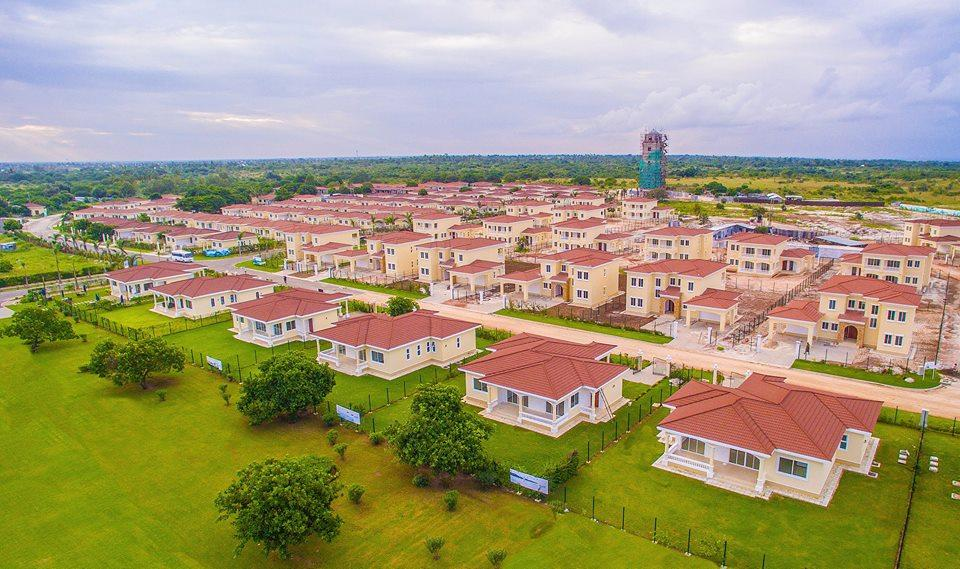
With the country’s population projected to surpass 100 million by mid-century, ensuring that every Tanzanian has access to safe, affordable, and sustainable housing is no longer an option, but a necessity.
Tanzania’s Vision 2050 sets an ambitious roadmap for inclusive growth, industrialization, and modernization. At the heart of this vision lies housing a fundamental human right and a cornerstone of economic and social development. With the country’s population projected to surpass 100 million by mid-century, ensuring that every Tanzanian has access to safe, affordable, and sustainable housing is no longer an option, but a necessity.
The Challenge
Urbanization Pressures
By 2050, more than 40% of Tanzanians will live in urban centres such as Dar es Salaam, Arusha, Mwanza, and Dodoma. This urban shift creates both opportunities and strain. On one hand, cities drive economic growth and innovation; on the other, they face severe challenges like overcrowding, rising rents, and the mushrooming of unplanned settlements. Without proper planning, the housing crisis could deepen urban poverty and inequality.
Housing Deficit
Tanzania currently faces a housing deficit of 3 million units, and this gap is growing by an estimated 200,000 units annually. The shortfall disproportionately affects low- and middle-income households, who often end up in informal settlements lacking proper infrastructure, sanitation, and security.
High Construction Costs
Formal housing development remains unaffordable for most Tanzanians due to high land prices, costly imported building materials, and limited access to long-term financing. Even middle-class families struggle to qualify for mortgage loans, leaving a vast majority excluded from home ownership.
The Opportunities
Public-Private Partnerships (PPPs)
To meet the demand, Tanzania can leverage collaborations between government institutions (like the National Housing Corporation - NHC), private developers, and investors. PPPs can reduce costs, pool resources, and speed up delivery of large-scale affordable housing projects. Successful models from countries like Kenya and Ethiopia show that when governments provide land, infrastructure, and tax incentives, private developers can build affordable units at scale.
Innovative Financing Models
Access to finance is key. Traditional mortgages exclude many, but microfinance institutions, SACCOs, and mobile banking platforms can revolutionize housing affordability. Tailored solutions such as incremental loans for building in stages, rent-to-own schemes, and community savings models can empower ordinary Tanzanians to transition from tenants to homeowners.
Low-Cost, High-Quality Construction Technologies
Innovation in building materials and techniques is a game-changer. For instance:
- Compressed Earth Bricks (CEBs) reduce reliance on expensive cement.
- Prefabricated homes can be built faster and at lower costs.
- Green building designs ensure sustainability, lower energy use, and long-term savings.
- Local industries stand to benefit greatly if Tanzania invests in manufacturing affordable construction materials instead of importing them.
Policy and Regulation Reforms
Streamlining land acquisition processes, digitizing land records, and revising building codes can encourage more investments in housing. If government policies support tax breaks on affordable housing projects and subsidize infrastructure (roads, water, electricity), developers can pass the savings to buyers.
Job Creation and Economic Multiplier Effects
Affordable housing is more than shelter it is an economic engine. The construction sector has one of the highest multiplier effects in the economy. Every unit built creates jobs in cement, steel, timber, transportation, and services. Large-scale housing projects can absorb thousands of youth into meaningful employment, reducing unemployment and stimulating economic growth.
Why Affordable Housing Matters for Vision 2050
Housing is directly linked to health, education, and productivity. Families in stable homes are healthier, children perform better in school, and communities experience less crime and instability. For Tanzania to realize its Vision 2050 goals of becoming a middle-income, inclusive, and competitive nation, housing must be seen not just as shelter, but as a driver of dignity, economic empowerment, and social stability.
If Tanzania aligns its housing strategy with Vision 2050, the benefits will be far-reaching:
- Reduced poverty and inequality through improved access to quality housing.
- Resilient cities that can absorb rapid population growth without collapsing into slums.
- Increased investments in real estate, finance, and construction industries.
- Enhanced quality of life for millions of Tanzanians.
Conclusion
Affordable housing is one of the strongest pillars for achieving Tanzania’s Vision 2050. It requires collaboration between government, private sector, communities, and financial institutions. With the right policies, innovative financing, and adoption of modern building technologies, Tanzania can transform its housing sector into a catalyst for growth, dignity, and inclusive prosperity.
