

Bridging the Housing Deficit: Government Schemes and Affordable Housing in Tanzania
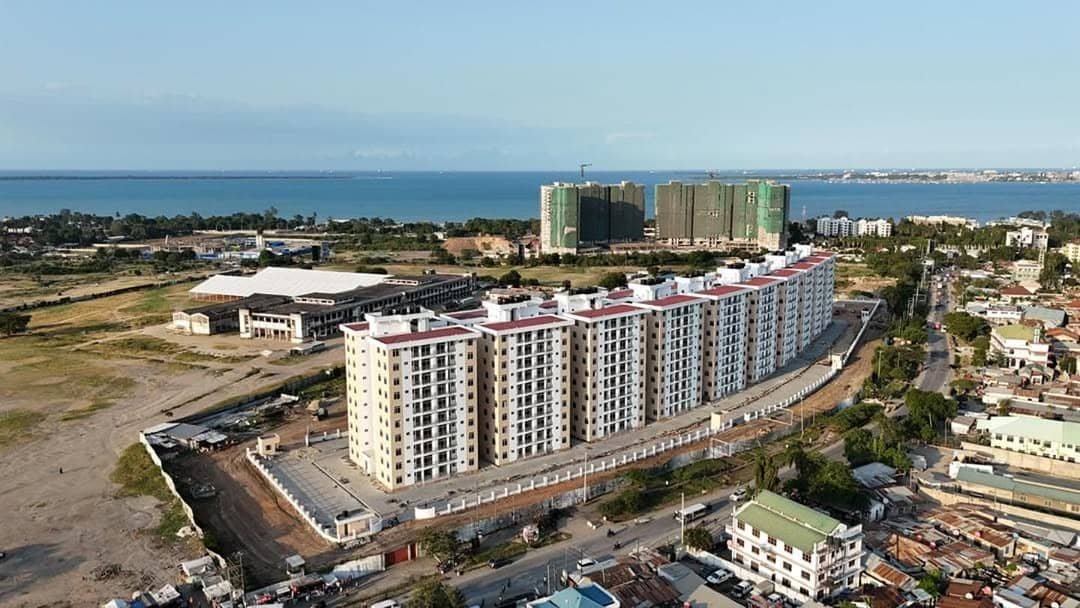
The national deficit is estimated at about 3 million units, increasing annually by ~200,000 units. Urban areas, especially Dar es Salaam, bear a large share of the shortage. Land acquisition, costing, and financing pose constraints.
Tanzania faces a significant housing gap. With rapid urbanization, rising population, and increasing demand for decent shelter, the government has been stepping up with multiple housing schemes to make home ownership more accessible, especially for public servants, low- and middle-income households.
Key Government-led Projects
Samia Housing Scheme
This is a major initiative by the National Housing Corporation (NHC) aiming to build 5,000 affordable housing units nationwide. About 50% of these units are to be in Dar es Salaam, 20% in Dodoma, and the remainder spread across other regions.
The total cost is around TZS 466 billion (~US$200 million), and construction started with projects such as in Kawe (Dar es Salaam) and Medeli (Dodoma).
Public Servants’ Housing Scheme (Phase II) by Watumishi Housing Investments
Following Phase I, where ~1,003 units were built across ~20 mainland regions, the second phase intends to build another 1,000 housing units. These homes are intended to be well designed and low cost (around 30% cheaper than many comparable private developments) to make them truly affordable for many public servants.
Affordable Housing in Zanzibar
The Zanzibar Housing Corporation is planning to build 3,600 affordable homes for low- and middle-income families. Locations include Chumbuni, Kiembe Samaki, Kisakasaka, Nyamanzi, and other areas. The motivation stems from increasing demand driven by population growth, urbanization, and economic activity. Zanzibar estimates a housing deficit of 60,000-80,000 units.
Challenges and Bottlenecks
- Housing deficit and urban informal settlements: The national deficit is estimated at about 3 million units, increasing annually by ~200,000 units. Urban areas, especially Dar es Salaam, bear a large share of the shortage. Land acquisition, costing, and financing pose constraints. Affordable housing often gets delayed by permit processes, high cost of materials, and limited access to housing credit
- Balancing quality and affordability: Designing homes that are durable, safe, and comfortable while keeping costs low is a design, policy, and implementation challenge.
Impacts and Outlook
- These schemes help reduce housing inequality by giving public servants and low-income earners access to decent housing.
- They also contribute to job creation projects like the Samia Scheme are expected to generate thousands of jobs directly and indirectly. As urbanization continues, such efforts are essential to prevent further spread of informal settlements and slums.
Conclusion
Government housing projects in Tanzania are making tangible progress toward narrowing the housing gap. While challenges remain (financing, land costs, quality assurance), the scale and political will behind initiatives like the Samia Housing Scheme, Public Servants’ Housing, and Zanzibar’s affordable housing plan are positive signs. For many Tanzanians, these schemes represent hope for a future where a stable, secure home is within reach.