

Inside Tanzania’s Public Assets: How Better Management Can Unlock Billions
Unlocking this potential is crucial for reducing dependence on external borrowing, boosting government revenue, and financing key development projects.
The Hidden Wealth Inside Tanzania’s Public Assets
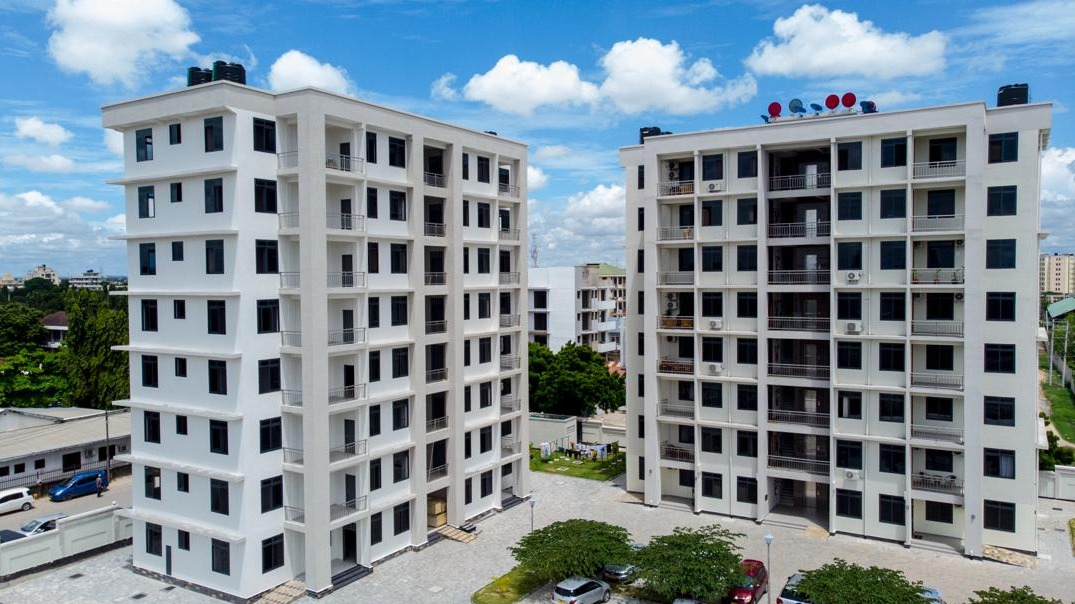
Tanzania owns a vast portfolio of public assets, ranging from land, buildings, and enterprises to minerals, forests, fisheries, and strategic infrastructure. Despite this wealth, a significant portion of these assets remains underutilized, undervalued, or poorly managed, leading to billions of shillings in unrealized revenue.
Unlocking this potential is crucial for reducing dependence on external borrowing, boosting government revenue, and financing key development projects.
Where the Problems Are;
1. Poor Asset Valuation and Fragmented Registries
Many public assets lack updated valuation reports, making it difficult to gauge their true worth. Also, asset records are often scattered across ministries and agencies, creating inefficiencies and opacity that hinder effective management.
2. Inefficient SOE Performance
Some State-Owned Enterprises (SOEs) operate below capacity due to mismanagement, insufficient capital, or outdated business models. Low productivity, poor corporate governance, and weak financial oversight reduce their contribution to the national revenue pool.
3. Weak Revenue Strategies
Revenue from public assets such as rent, lease, and concession fees is often set below market value, leaving substantial potential income untapped.
How Tanzania Can Unlock Billions
1. Create a Centralized Digital Asset Registry
A unified national digital registry would provide accurate information on all public assets, increase transparency, and simplify asset monitoring. Digital tracking ensures that underutilized assets are identified and effectively managed.
2. Professionalize Asset Management
Adopting modern asset management standards, as seen in countries like Singapore, Rwanda, and the UAE can significantly improve returns. This includes systematic valuation, portfolio management, performance tracking, and professional training for public asset managers.
3. Monetize Idle Assets
Idle lands, buildings, and other resources can be concessioned, leased, or redeveloped through Public-Private Partnerships (PPPs). Proper monetization can unlock new revenue streams while supporting urban development and strategic infrastructure projects.
4. Strengthen Oversight of SOEs
Introducing performance contracts, competitive recruitment, and quarterly public reporting will improve efficiency and accountability in SOEs. Transparent governance ensures that these enterprises contribute optimally to economic growth and public finances.
Conclusion: Turning Assets into a Reliable Revenue Engine
Tanzania’s public assets hold billions of shillings in untapped potential. With modern management systems, digital registries, professional oversight, and transparent monetization strategies, these assets can become a reliable engine for revenue mobilization, economic transformation, and sustainable development.
Effective asset management is not just about wealth preservation; it is about unlocking national development opportunities, strengthening governance, and reducing reliance on debt.
