

Tanzania’s SEZ Gamble: Building Real Industry, Not Just More Factories
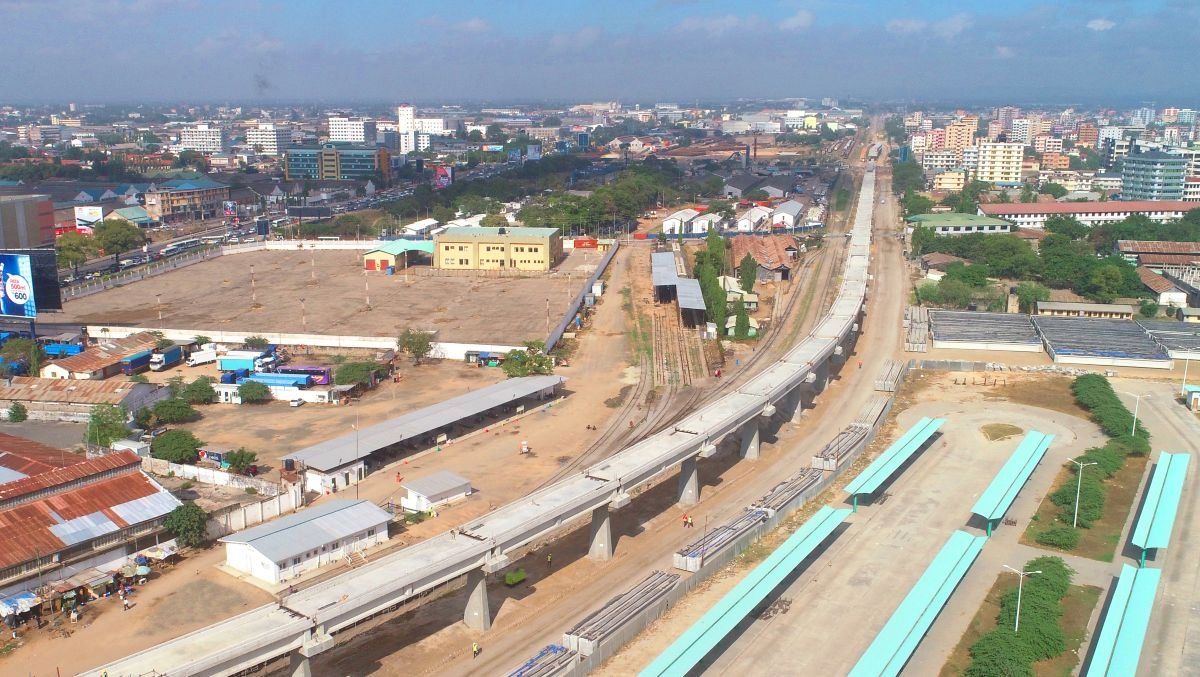
Tanzania is turning Special Economic Zones into the backbone of its industrial strategy. With new zones emerging from Bagamoyo to Buzwagi, the country is betting on logistics, incentives, and discipline to attract serious manufacturing. The challenge is deeper than building factories. It is whether Tanzanian firms can plug into SEZ supply chains fast enough to turn incentives into lasting capability.
Special Economic Zones are not new in East Africa. The difference today is scale, coordination, and intent.
For Tanzania, SEZs have shifted from being experimental policy tools to becoming central pillars of its industrial strategy. They are no longer side projects. They are the map.
The emerging network is taking shape around Bagamoyo, Kwala, Nala, Benjamin Mkapa, and Buzwagi. Each zone signals a different industrial ambition: maritime trade, inland logistics, agro-processing, light manufacturing, and post-mining economic renewal.
Investor appetite, at least on paper, is gathering momentum. Thirty-six proposals stretch across steel, packaging, food processing, textiles, automotive assembly, and building materials. The message is clear: the state wants industry to concentrate where infrastructure, land, and regulation can be managed in one place rather than scattered everywhere.
But Tanzania is entering a race midstream. And the region has already paid tuition.
Kenya’s experience is instructional. Export Processing Zones around Athi River pulled in apparel manufacturers selling into the US market under AGOA. Jobs arrived, export numbers improved, and the narrative sounded like success. Yet beneath the surface, domestic linkages were thin. Inputs were imported, stitched, and shipped. When global orders dipped, jobs evaporated. Kenya discovered that incentives and industrial sheds do not automatically build national capability.
Rwanda chose surgical precision instead of scale. Kigali Special Economic Zone focused on reliability: power, roads, governance, compliance. Light manufacturing, pharma, logistics, and ICT assembly followed. The numbers never exploded, but confidence accumulated. Investors trusted the rules. Spillovers quietly grew around logistics, warehousing, and services. Sometimes patience can be an industrial policy.
Uganda’s zones reveal the harsh downside of building before systems mature. Namanve and other parks struggled with utilities, compensation disputes, and coordination setbacks. Projects stalled. Others limped forward. The lesson is blunt: a zone with unreliable electricity, water, and transport is not an SEZ. It is land wrapped in paperwork.
Ethiopia rewrote the script with speed. Hawassa and other industrial parks scaled rapidly, powered by cheap labor, strong state direction, and favorable trade preferences. Exports rose. International brands arrived. Then macro stress cracked the model. Currency shortages, security risk, and rigid foreign exchange controls spooked investors. Centralization without resilience becomes fragility.
So where does Tanzania stand?
Its current SEZ drive tries to split the difference. Not a sprint like Ethiopia. Not hyper-micro like Rwanda. And not fragmented like Kenya’s early phase.
The bet is simple: incentives plus logistics plus institutional discipline.
If the Standard Gauge Railway delivers reliability, Kwala could emerge as a logistics backbone connecting the interior to global markets. If Bagamoyo is governed transparently, its maritime-industrial interface could anchor a regional trade ecosystem. If Buzwagi transforms from mine to manufacturing hub, Tanzania will demonstrate it can convert extractive wealth into productive capacity rather than ghost towns.
Yet the true hinge is not infrastructure. It is capability.
East African zones repeatedly stumble for the same reason: local firms are not fully integrated. They lack finance, quality assurance systems, certifications, and the production discipline demanded by global supply chains. The result is predictable. Foreign firms import inputs, assemble, export, and leave little behind beyond wages.
Tanzania has a chance to break that loop. Supplier development programs, technical training, cluster-based financing, vocational institutions tied directly to factory needs, and enforced local content targets can shift the game from assembly to learning.
Part 2 of this Deep Dive looks straight at that question: can Tanzania build local suppliers into SEZ value chains faster and deeper than its neighbors have managed? Because that is where transformation becomes real or disappears into press releases.
The region has shown success, failure, and everything in between. Tanzania now writes the next chapter, and the pen is policy discipline.
