

Tanzania’s Mineral Wealth: The Numbers Behind a Strategic Economic Asset
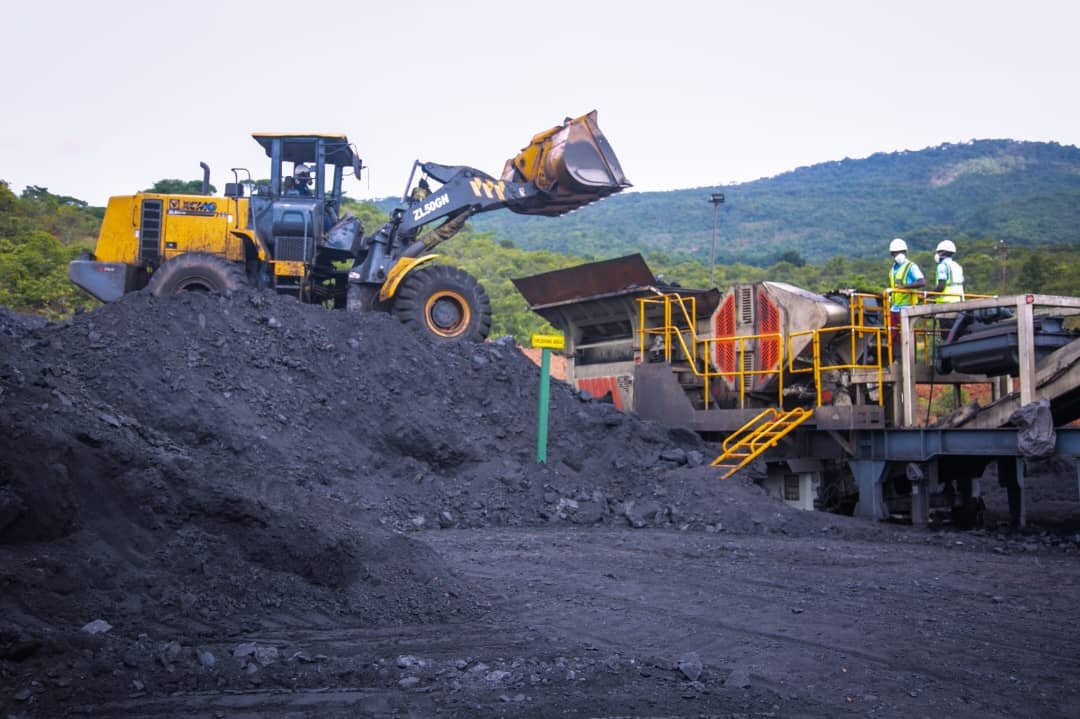
For Tanzania, the question is no longer whether the minerals exist but how effectively they are converted into long-term national value.
For decades, Tanzania’s mineral sector has been discussed in broad terms—rich geology, untapped potential, strategic location. But behind those phrases is a body of officially published data that clearly shows why mining has become one of the country’s most important economic pillars. From gold and gemstones to graphite and rare earth elements, Tanzania’s mineral wealth is no longer speculative. It is mapped, measured, and increasingly monetized.
A country that is largely mapped — and investable
One of the strongest indicators of mineral potential is geological knowledge. According to the Geological Survey of Tanzania, about 96% of Tanzania has been geologically surveyed since systematic mapping began in 1925.
This extensive coverage means Tanzania is not “guessing” about its underground assets. The country has benefited from decades of geological mapping, geochemical sampling, and geophysical surveys that have identified mineral belts, kimberlite fields, sedimentary basins, and industrial mineral zones across the mainland.
For investors and policymakers alike, this level of coverage significantly reduces exploration risk and strengthens long-term planning.
Mining’s growing weight in the economy
Mining is no longer a peripheral sector in Tanzania’s economy.
Official data from the Ministry of Minerals shows that in the 2023/2024 financial year, the mining sector generated TZS 6.4 trillion in economic contribution. Employment in the sector reached 19,356 jobs, with 97% of positions held by Tanzanians, underlining mining’s role in domestic job creation.
Local content is also rising. In 2023, Tanzanian companies supplied mines with goods and services worth USD 1.48 billion, accounting for nearly 90% of total mine procurement. This points to a maturing ecosystem where mining increasingly supports manufacturing, logistics, engineering, and professional services.
Production is rising — and fast
Recent statistics from the National Bureau of Statistics confirm that mining growth is being driven by real output, not just price effects.
Mining and quarrying activity expanded by 16.6% in the first quarter of 2025, a sharp jump from 3.5% in the same period of 2024. Output growth was recorded across both metallic and industrial minerals:
· Gold production increased by 16.1%, from 13,610 kg to 15,797 kg
· Coal production rose by 19.1%, reaching 887,738 tonnes
· Limestone output jumped by 46.9%
· Gypsum production surged by 68.6%
· Iron production grew by more than 250%, reflecting renewed activity in base metals
These figures highlight a sector that is diversifying beyond gold into construction minerals and industrial inputs critical to infrastructure development.
Strategic and critical minerals: Tanzania’s global relevance
As the global economy shifts toward clean energy and electrification, Tanzania’s mineral profile is gaining new strategic importance.
Officially published industrial analyses and government disclosures show that Tanzania holds about 6% of global graphite reserves, positioning the country as one of the world’s most significant suppliers of a mineral essential for lithium-ion batteries.
Large-scale graphite projects such as Epanko and Mahange are each projected to produce over 60,000 tonnes annually, while the Ngualla Rare Earths Project is expected to yield approximately 37,000 tonnes of rare earth elements per year once fully operational.
In response, the government has identified 25 critical minerals and 18 strategic minerals, signaling a deliberate shift toward value addition, downstream processing, and participation in global supply chains for electric vehicles, renewable energy, and advanced manufacturing.
Diamonds, gold, and gemstones: proven endowments
Tanzania’s traditional mineral strengths remain substantial.
Geological records show that the Tanzanian Craton hosts more than 350 kimberlite intrusions, confirming strong diamond potential beyond the long-established Williamson Mine. In gold, multiple greenstone belts continue to support large-scale operations and artisanal mining, while officially mapped trends such as the Handeni Gold Trend extend for more than 11 kilometers.
Tanzania also remains the world’s only source of tanzanite, reinforcing the country’s unique position in the global gemstone market.
A snapshot of defined reserves
Although reserve figures evolve with new exploration, officially published investor guides provide a useful baseline. As of the last comprehensive national reserve summary:
· Gold: over 2,200 tonnes
· Coal: approximately 5 billion tonnes
· Iron ore: about 126 million tonnes
· Graphite: more than 158 million tonnes
· Rare earths: around 101 million tonnes
· Diamonds: about 51 million carats
· Natural gas: roughly 57 trillion cubic feet
These figures underline the sheer scale and diversity of Tanzania’s mineral endowment.
The bigger picture
What emerges from the official statistics is a clear narrative: Tanzania’s mineral wealth is not hypothetical. It is mapped, measured, and increasingly integrated into the national economy.
With rising production, growing local participation, and a strategic pivot toward critical minerals, mining is positioned not only as a revenue generator but also as a driver of industrialization and economic transformation.
For Tanzania, the question is no longer whether the minerals exist but how effectively they are converted into long-term national value.
