

The Kabanga Belt Opportunity: Why Nickel and Cobalt Could Transform Northwest Tanzania
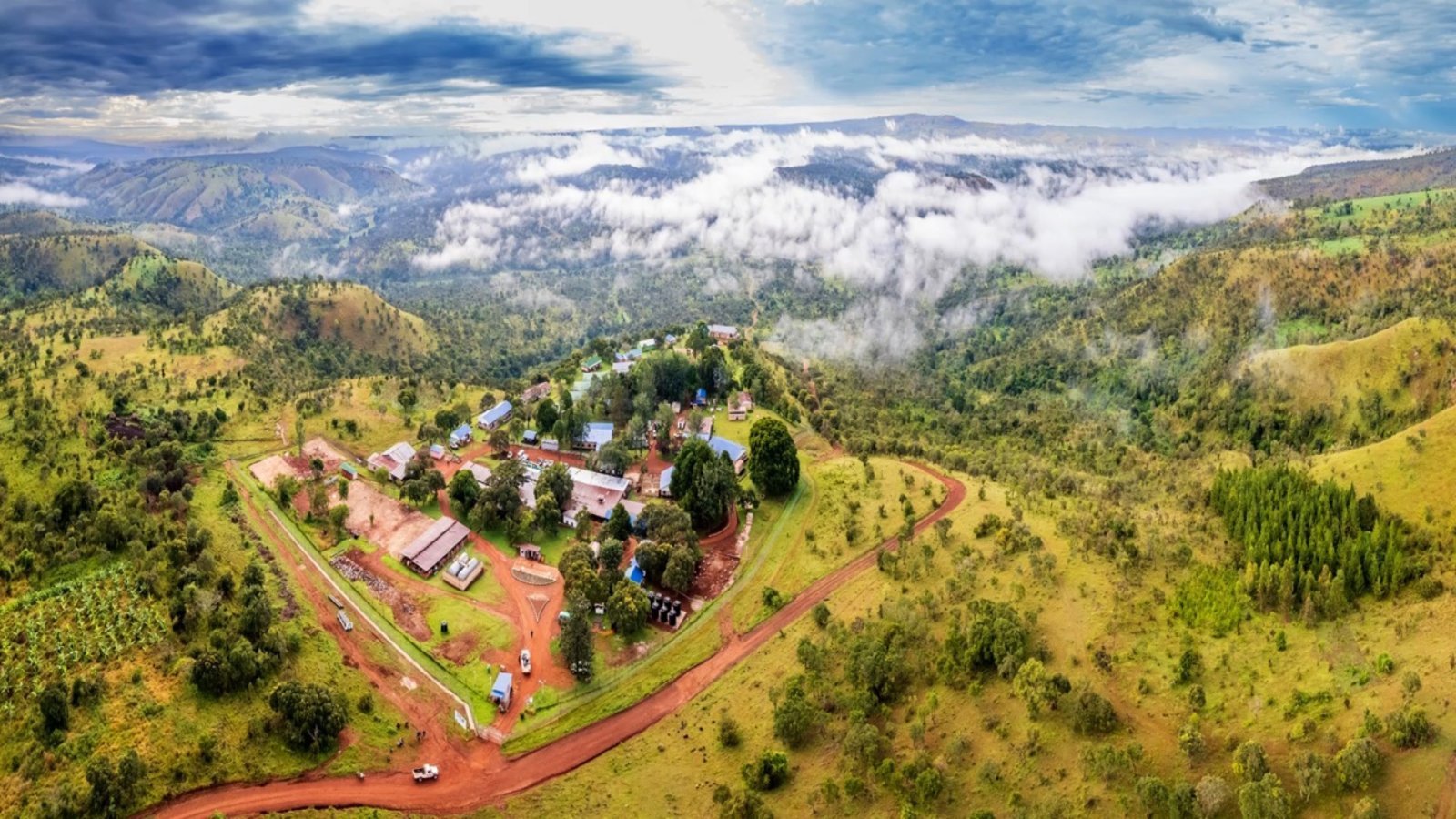
Northwestern Tanzania sits along one of Africa’s most promising mineral corridors.
The Karagwe–Ankole geological belt, stretching across Tanzania, Rwanda and the Democratic Republic of Congo, hosts a variety of high-value mineral deposits including nickel, cobalt and copper. STAMICO has now opened prospecting licences within this belt, creating opportunities for joint venture development with private investors.
The licences are located near the Kabanga deposit, widely considered one of the largest undeveloped high-grade nickel sulphide resources in the world. Proximity to such a deposit significantly increases the geological prospectivity of surrounding areas.
Reconnaissance surveys conducted in the region suggest the presence of mineralized structures that could host commercially viable nickel deposits. Detailed exploration work, including drilling and geophysical analysis, is now required to determine the scale of the resource.
Cobalt potential is also attracting attention. Two prospecting licences in Ngara district lie along the same geological belt that hosts enormous cobalt resources in the Democratic Republic of Congo. This geological continuity suggests similar mineral systems may extend into Tanzanian territory.
The timing of these opportunities is significant.
Demand for both nickel and cobalt is being driven by the rapid expansion of electric vehicle manufacturing. Nickel-rich battery chemistries are increasingly preferred by automakers seeking longer range and higher energy density.
For Tanzania, the challenge now is to move beyond exploration and capture value through processing and refining activities within the country. If successful, the Karagwe–Ankole belt could become one of East Africa’s most important mining corridors.