

How the Mchuchuma–Liganga Project Could Reshape Tanzania’s Economy: An Analytical Perspective
By adding domestic value, providing reliable raw materials, generating employment, and retaining foreign exchange, the project can drive Tanzania’s shift from a commodity-dependent economy to a diversified industrial hub. However, the degree of transformation will depend on timely implementation, effective infrastructure planning, technology and skills transfer, and governance mechanisms that ensure broad-based national gains.
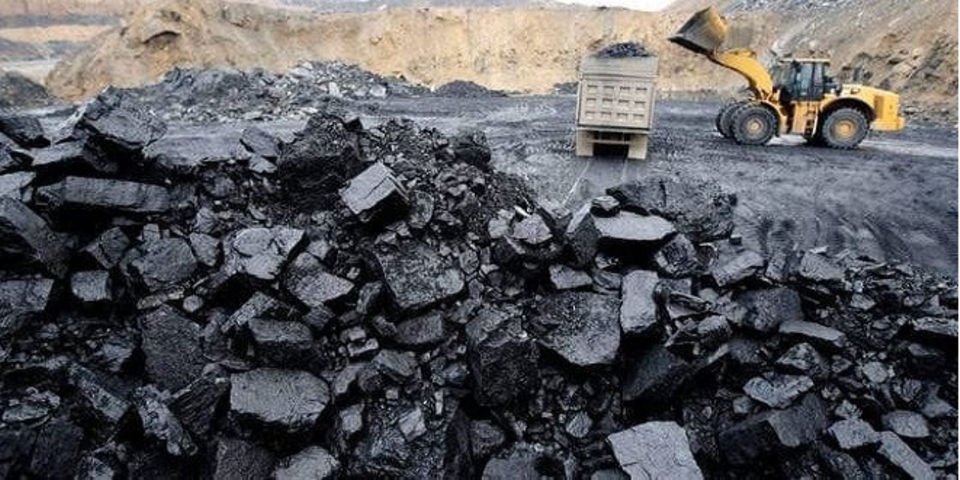
The Mchuchuma–Liganga integrated project, located in Ludewa District (Njombe Region), is one of Tanzania’s most significant industrial investments. Valued at over $3 billion, the project combines coal mining, power generation, iron ore extraction, and steel manufacturing into a single industrial complex, with the potential to transform Tanzania’s economic landscape.
1. Resource Endowment and Industrial Capacity
Tanzania’s southwestern corridor hosts substantial mineral endowments, including about 428 million tonnes of coal at Mchuchuma and 126 million tonnes of iron ore at Liganga. Planned annual outputs for the integrated project include 3 million tonnes of coal, 600 MW of coal-fired electricity, 2.9 million tonnes of iron ore, and 1 million tonnes of finished steel products. A connected 220 kV transmission line will link mining, power, and steel facilities, forming a vertically integrated industrial chain. From a mining economist perspective, this scale is crucial because it provides Tanzania with both raw materials and finished goods, reducing import reliance and enabling value‑added production a fundamental shift from resource export to industrial output.
2. Impacts on Industrialisation and Domestic Supply Chains
Tanzania currently imports a large proportion of steel and industrial metals, contributing to a trade deficit that reached roughly $17.7 billion in the fiscal year ending September 2025, with processed metals and construction materials forming a significant share. A domestic steel industry anchored in Mchuchuma–Liganga could supply raw materials to over 40 local steel factories, support 13 vehicle assembly plants, and stimulate construction, transport, and manufacturing sectors. Industry leaders argue that local production would reduce reliance on imports, improve production reliability, and lower costs, enabling Tanzanian industries to compete more effectively regionally.
3. Employment and Local Economic Development
The project is expected to generate significant employment, with approximately 6,600 direct jobs and over 26,000 indirect opportunities around the mines and linked supply chains. Mining and industrial complexes typically create spillover employment in logistics, services, hospitality, housing, and local entrepreneurship, which is particularly critical for regions like Njombe that have historically lacked diversified economic opportunities. The multiplier effect of this employment will boost local commerce and stimulate regional development.
4. Foreign Exchange Savings and Revenue Generation
The integrated complex could shift Tanzania’s external accounts by reducing imports and generating domestic revenue. Projections include $142 million annually from coal and $308 million from electricity, in addition to income from steel, vanadium, and titanium products. Economists emphasize that producing steel locally will retain foreign exchange in domestic circulation, strengthening the Tanzanian shilling and reducing vulnerability to global price volatility. This will also contribute significantly to government revenue for reinvestment into national development priorities.
5. Energy Security and Downstream Growth
The availability of 600 MW of new power is a critical advantage. Tanzania has historically faced energy capacity limitations that increase production costs for manufacturers. Reliable electricity will not only support Mchuchuma–Liganga’s steel operations but also benefit other sectors, including agro‑processing, logistics, and services, which are essential for broad-based economic growth. Integrating energy production within the mining sector reduces input costs, thereby increasing competitiveness for downstream industries.
6. Regional Demand and Competitive Timing
Africa’s demand for raw and semi‑finished steel is projected to grow at a compound annual rate of 2.2% until 2035, driven by construction and infrastructure development across the continent. Delays in project implementation could cause Tanzania to lose ground to neighbors like Kenya and Uganda, who are positioning themselves to capture rising demand. Independent economist Oscar Mkude has warned that “time is not on our side,” stressing the need for rapid execution to avoid becoming a raw material exporter with limited domestic processing capacity.
7. Technology Transfer, Local Capacity, and Governance
Political and academic commentators, including Zitto Kabwe, have highlighted that the full economic benefits depend on technology transfer, meaningful local participation, and skills development for Tanzanian workers. Kabwe argues that without a focus on local ownership and capacity building, the project could fail to deliver long-term national benefits. Mining economic theory similarly emphasizes that resource abundance alone does not guarantee prosperity; governance quality, institutional capacity, and equitable distribution mechanisms are equally critical.
Challenges and Risk Factors
Despite its potential, the project faces challenges including infrastructure bottlenecks (roads, rail, water supply), delays in negotiations with investors, financial viability under fluctuating global steel markets, and environmental concerns related to coal reliance. Economists argue that addressing these constraints is as important as mobilizing capital because failure to do so could limit productivity and erode the project’s competitive advantage, particularly given increasing global regulations on coal-based industries.
A Potential Catalyst for Transformation
The Mchuchuma–Liganga project is not just a mining initiative; it is a strategic industrial anchor capable of transforming Tanzania’s economy. By adding domestic value, providing reliable raw materials, generating employment, and retaining foreign exchange, the project can drive Tanzania’s shift from a commodity-dependent economy to a diversified industrial hub. However, the degree of transformation will depend on timely implementation, effective infrastructure planning, technology and skills transfer, and governance mechanisms that ensure broad-based national gains. In a region where industrial capacity is expanding rapidly, the strategic execution of Mchuchuma–Liganga could position Tanzania as an emerging industrial leader in East and Southern Africa.