
Inside Tanzania’s Transport System: Billions Are Lost Daily Through Inefficiencies, Policy Gaps, and Operational Weaknesses and Experts Are Finally Speaking Out Loud
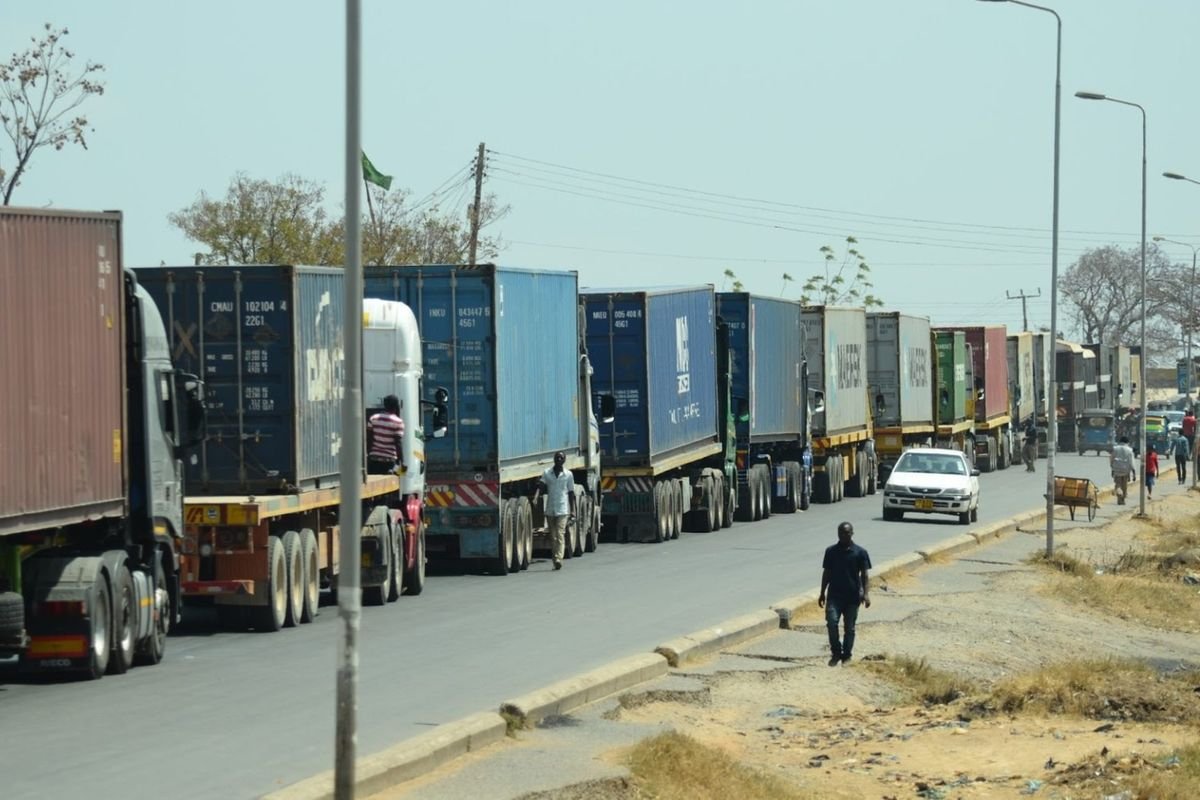
Analysts argue that Tanzania does not lack capacity or technology; it lacks disciplined systems and coordinated operations. Digital tools and policy interventions exist, but their effectiveness is limited when operational execution is inconsistent. A transport system that is technically capable but operationally lax cannot prevent billions in losses. This diagnosis parallels institutional analyses in other sectors: systems alone do not generate efficiency. Execution discipline, data-driven management, and accountability at every operational touchpoint are the conversion factors that determine whether infrastructure investments yield economic benefits.
The Ministry of Transport has noted that Tanzania’s transport sector is a backbone of the economy connecting producers to markets, linking East Africa to global trade routes, and underpinning the flow of goods and services across the country. According to multiple industry analyses, transport contributes significantly to GDP and foreign exchange earnings through freight movement and logistics services.
This observation requires unpacking to understand what it actually measures. The daily losses are not simply about trucks consuming more fuel or waiting longer at ports. They are the aggregate result of a complex web of inefficiencies across operational, regulatory, and structural dimensions, all of which combine to inflate costs for operators. Each inefficiency whether fuel leakages, idle waiting at weighbridges, or duplication of permits represents a separate cost, a separate opportunity lost, and a separate friction point in moving goods efficiently. The cumulative effect of these inefficiencies is an invisible economic drag that analysts are quantifying through these examples.
A recent diagnostic by transport experts catalogued dozens of challenges that currently hinder smooth operations for both local and international freight operators. These challenges represent structural weaknesses, overlapping responsibilities, and poor enforcement of operational standards. Government and private sector stakeholders have proposed a roadmap of interventions to address these issues, including enhanced digital systems, fleet management improvements, and policy reforms.
The ratio of challenges to interventions is itself analytically significant. Each operational challenge requires multiple interventions across different agencies, regulatory frameworks, and administrative processes because the inefficiencies are not siloed in single institutions. They emerge from the interactions between operators, regulators, and service providers whose individual roles may be reasonable but whose collective impact creates friction for transport operators and businesses relying on timely logistics.
The scale of this diagnostic is precise. The reform process involved consultations with transport operators, regulatory authorities, and private logistics companies, drawing on thousands of operational reports and real-time data from fleet tracking systems. The breadth of this consultation is significant in two ways. First, it ensures that the documented losses and inefficiencies are grounded in operational reality rather than theoretical assumptions. Second, the fact that so many stakeholders had to be engaged highlights the systemic nature of the problem: Tanzania’s transport system is not merely a collection of roads, trucks, and ports, but a network of interdependent actors whose misalignment results in billions lost every day.
The Operational Mindset: Beyond Systems and Infrastructure
Analysts have emphasised that improving Tanzania’s transport system requires more than infrastructure upgrades. Speaking at a recent review workshop, industry experts argued that although top leadership is championing transport reforms, significant challenges remain at the operational level, where drivers, fleet managers, and local authorities are the front-line implementers of policy and practice.
They emphasised that shifting operational mindsets is more difficult than passing policy reforms, yet it is critical to the success of these interventions. Misaligned incentives, poor enforcement of operational discipline, and lack of accountability often result in situations where digital systems or policy measures exist but fail to produce efficiency gains. The gap between system potential and actual performance is where most losses occur.
The central objective of the proposed interventions is to transform the transport sector from merely moving goods to actively facilitating efficient logistics, reducing cost leakages, and improving service delivery.
Operational Losses: Fuel, Time, and Assets
A closer examination of where money is lost daily highlights the problem’s complexity:
- Fuel Inefficiencies: Poor monitoring and unregulated consumption increase costs. Fuel is the largest operational expense, yet is often mismanaged, leading to silent losses.
- Delays at Ports, Weighbridges, and Borders: Trucks often wait 12–18 hours due to fragmented processes, manual approvals, and inconsistent enforcement.
- Infrastructure Gaps: Despite new roads and railways, poor integration with logistics hubs and storage facilities increases wear and tear, slows deliveries, and raises operational costs.
- Operational Weaknesses: Lack of route planning, inadequate maintenance schedules, and untrained drivers compound inefficiencies.
- Regulatory Frictions: Multiple agencies, overlapping mandates, and duplicated compliance requirements create additional administrative costs.
- Cargo and Asset Security Risks: Theft, vandalism, and accidents add tangible financial losses, increasing insurance premiums and operational risk.
Each of these losses, while individually measurable, interacts with others in ways that magnify total inefficiency. What appears as a simple operational delay often translates into higher fuel consumption, driver overtime, missed delivery windows, and lost business opportunities.
The Structural Diagnosis
Analysts argue that Tanzania does not lack capacity or technology; it lacks disciplined systems and coordinated operations. Digital tools and policy interventions exist, but their effectiveness is limited when operational execution is inconsistent. A transport system that is technically capable but operationally lax cannot prevent billions in losses.
This diagnosis parallels institutional analyses in other sectors: systems alone do not generate efficiency. Execution discipline, data-driven management, and accountability at every operational touchpoint are the conversion factors that determine whether infrastructure investments yield economic benefits.
Reform at Scale: Moving From Loss to Efficiency
The proposed roadmap to address these losses involves:
- Fuel Management Systems: Treat fuel as a financial asset with strict monitoring and accountability.
- Digitized Operations: Integrate real-time tracking and workflow systems with enforcement mechanisms.
- Regulatory Alignment: Reduce overlaps, simplify documentation, and streamline compliance processes.
- Fleet Management Professionalization: Train staff, optimize routes, and implement preventive maintenance.
- Infrastructure Integration: Connect roads, rail, and logistics hubs to minimize bottlenecks.
Each intervention targets a specific inefficiency but also contributes to reducing cumulative losses across the system. The ultimate goal is to maximize the velocity of goods movement while minimizing cost leakages the operational equivalent of transforming regulatory enforcement into facilitation in the business sector.
The Bottom Line
Tanzania’s transport sector is not broken it is functioning, but inefficiently and at high cost. The combined effect of fuel inefficiencies, operational lapses, regulatory friction, and infrastructure gaps results in billions of shillings lost daily.
The success of reforms will not be measured by policy documents alone but by whether a cargo operator can move goods efficiently from origin to destination without losing excessive value to inefficiencies. Only through discipline, system integration, and coordinated execution can Tanzania unlock the true potential of its transport sector, strengthen its economy, and support the broader investment and trade ambitions of the country.
 Uchumi360
Business Intelligence
Uchumi360
Business Intelligence
Uchumi360 covers business, investment, and economic policy across East, Central, and Southern Africa.
