
Mozambique's $20 Billion LNG Restart Puts East Africa on the World's Energy Map
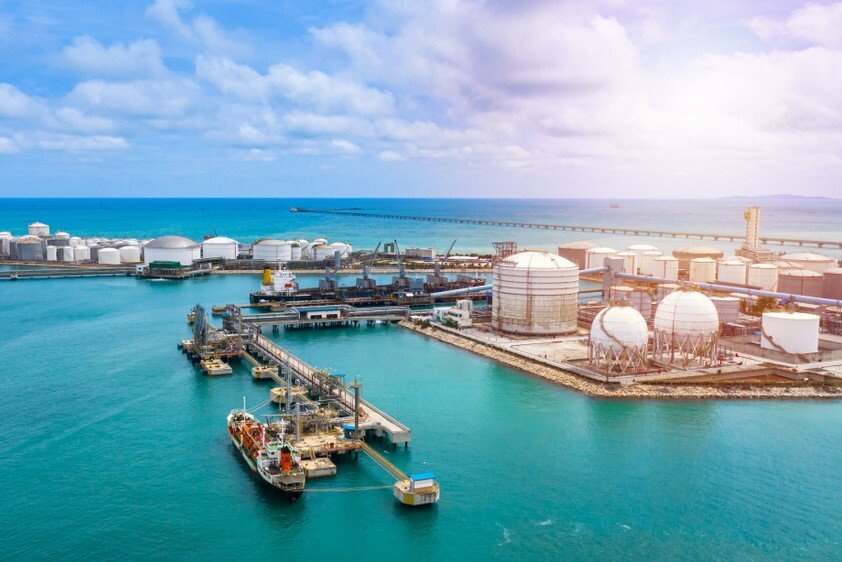
Ready
On 7 July 2026, the International Gas Union's World LNG Report confirmed Mozambique holds Africa's largest LNG project portfolio, around 45 million tonnes per annum, though most of it remains proposed rather than built. The anchor project, Mozambique LNG at Afungi, restarted construction in full on 29 January 2026 after TotalEnergies and the Mozambique LNG consortium lifted a force majeure declared in 2021 following insurgent attacks near Palma. More than 4,000 workers, over 3,000 of them Mozambican, are now on site, with the project roughly 40% complete and first LNG targeted for 2029. ExxonMobil is expected to take a final investment decision later in 2026 on the neighbouring Rovuma LNG project. Set against Uganda's East African Crude Oil Pipeline, now more than 82% complete, Tanzania's offshore gas reserves and Kenya's continued exploration, these projects are converging into a regional energy corridor rather than a set of isolated national ventures. This piece argues the larger opportunity is not exporting gas but building industry around it, and that the corridor's success will depend on regional infrastructure, institutions and domestic gas use as much as on any single project's completion.
The International Gas Union's World LNG Report 2026, published on 7 July, ranked Mozambique's LNG project portfolio as the largest in Africa, at close to 45 million tonnes of proposed annual capacity. The report was careful to note that most of that capacity remains potential rather than operating, contingent on financing, security and the pace of construction in Cabo Delgado.
The project doing the most to convert that potential into reality is Mozambique LNG. On 29 January 2026, TotalEnergies chief executive Patrick Pouyanné and Mozambique's President Daniel Chapo announced the full restart of construction at the Afungi site, both onshore and offshore. The move followed a decision on 7 November 2025 by the Mozambique LNG consortium to lift the force majeure it had declared in 2021, after insurgent attacks near the town of Palma killed hundreds and forced the evacuation of the site.
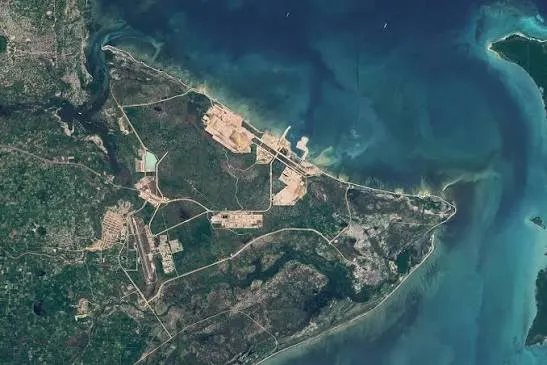 TotalEnergies site location in Northen Mozanbique
More than 4,000 workers, over 3,000 of them Mozambican nationals, are now mobilised on the US$20 billion project. TotalEnergies puts overall completion at roughly 40%, since most engineering and equipment procurement was finished before the four-year suspension. First LNG is targeted for 2029. A second project in the same basin, ExxonMobil's Rovuma LNG, is expected to reach a final investment decision later this year.
A Region, Not Just One Project
Mozambique's restart does not stand alone. Uganda's East African Crude Oil Pipeline, running from the Lake Albert oilfields to the Tanzanian port of Tanga, was more than 82% complete as of April 2026. Tanzania continues to hold substantial offshore natural gas reserves and is advancing its own domestic utilisation plans. Kenya continues offshore exploration along its coastline.
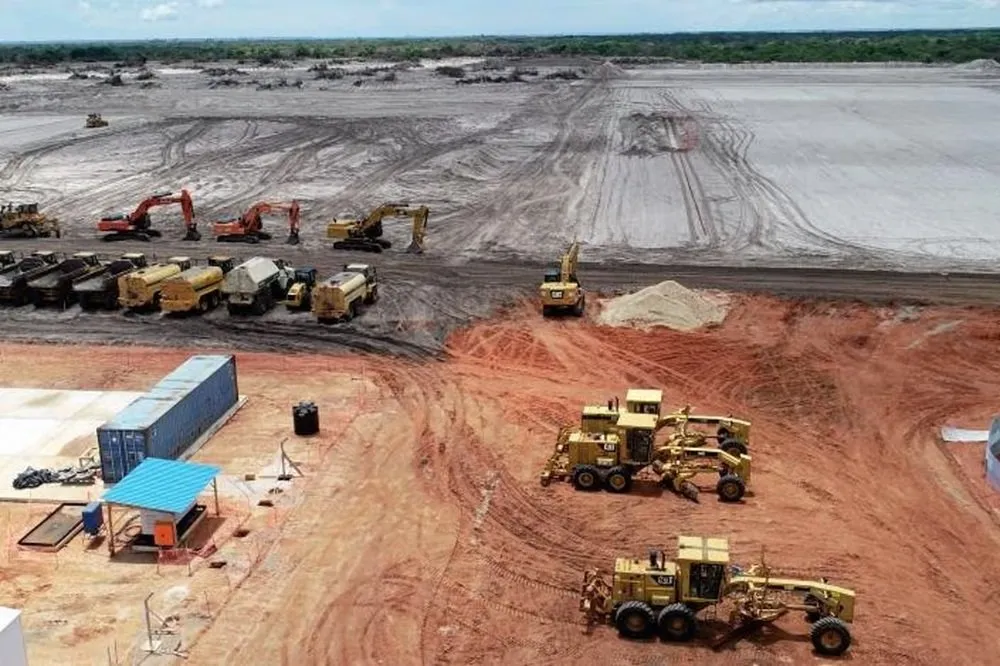 The construction of a 20 billion LNG project restarted in Cabo Delgado, Mozambique
Viewed separately, each looks like a national story. Viewed together, they describe an energy corridor running from Uganda's oil fields through Tanzania's coastline to Mozambique's LNG terminals, connecting to global shipping lanes across the Indian Ocean. That corridor is already drawing interest from engineering firms, banks, insurers and logistics companies well before every project reaches full production, since energy investment of this scale rarely stays contained within a single sector.
Export Revenue Is the Smaller Prize
Much of the commentary around LNG projects focuses on export earnings, and Mozambique's project will generate real foreign exchange once production begins. But the larger economic opportunity usually lies in what a country does with gas domestically rather than what it ships abroad. Affordable, reliable natural gas can support fertiliser production, petrochemicals, cement, steel and glass manufacturing, and lower the cost of industrial power more broadly.
A country that exports gas sells a commodity. A country that builds industry around gas sells products and jobs, and keeps more of the value chain at home. Mozambique's own government has forecast annual growth approaching 10% as gas projects come online, a figure that assumes the economy captures more than export revenue alone.
Competition for Investment, Not Between Countries
There is a temptation to treat Mozambique, Tanzania, Uganda and Kenya as rivals for the same pool of energy investment. That framing misses how capital actually moves in the region. Engineering firms operate across borders, banks finance projects in multiple jurisdictions, and international energy companies increasingly assess East Africa as a single investment destination rather than four separate markets.
Success in one country tends to build confidence in the region as a whole. At the same time, the countries that offer clearer regulation, faster permitting and stronger institutions are the ones likely to attract the next wave of capital, whether that capital is chasing gas, oil, or the infrastructure services built around them.
Security Remains the Variable That Could Reset the Timeline
The insurgency in Cabo Delgado has not been resolved, only contained. Violent incidents remain below the levels recorded before the 2021 suspension, but sporadic attacks continue, and analysts tracking the region note that the underlying conflict has been managed rather than defeated. The 2029 first-cargo target for Mozambique LNG assumes sustained security cooperation, including the continued presence of Rwandan and regional forces, through the remainder of construction.
That is the risk sitting underneath the optimism in the World LNG Report's rankings. Portfolio size measures what could be built. It says nothing about whether it will be, on schedule, in a province where the last restart took four years to arrive.
East Africa's energy story has shifted from discovery to construction, and construction is a slower, more exposed process than announcing a final investment decision. The region's next test is not whether the gas exists. It is whether the corridor being built around it survives long enough to matter.
FAQ
Why did Mozambique LNG stop construction in 2021? TotalEnergies declared force majeure after insurgent attacks near the town of Palma in Cabo Delgado province forced the evacuation of the project site.
When did construction restart? The consortium lifted the force majeure on 7 November 2025, and TotalEnergies and Mozambique's president announced the full restart of onshore and offshore activity on 29 January 2026.
How far along is the project? TotalEnergies estimates the project is roughly 40% complete, since most engineering and equipment procurement was finished before the suspension. First LNG is targeted for 2029.
Is Mozambique the only East African country with major energy projects underway? No. Uganda's East African Crude Oil Pipeline was more than 82% complete as of April 2026, and Tanzania and Kenya both hold offshore gas and exploration assets in progress.
Does a larger LNG portfolio guarantee economic benefit for Mozambique? Not automatically. Export revenue is one benefit, but the larger gain typically comes from using gas domestically to support manufacturing, fertiliser production and lower industrial energy costs.
What is the biggest risk to the project's 2029 timeline? Security in Cabo Delgado. The insurgency has been contained but not resolved, and sustained regional military cooperation remains a condition for uninterrupted construction.
 Uchumi360
Business Intelligence
Uchumi360
Business Intelligence
- TotalEnergies press release, 29 January 2026: full restart of Mozambique LNG activities, workforce figures, 40% completion, first LNG target of 2029
- International Gas Union, World LNG Report 2026, published 7 July 2026: Mozambique's ~45 MTPA project portfolio, largest in Africa
- Engineering News-Record, February 2026: security context in Cabo Delgado, ACLED and International Crisis Group assessments
- Energy Intelligence, May 2026: ExxonMobil's expected 2026 final investment decision on Rovuma LNG
- Club of Mozambique, July 2026: Mozambique government growth forecast tied to gas project arrivals
- Uchumi360 internal data bank: EACOP completion at 82.6% as of April 2026
Uchumi360 covers business, investment, and economic policy across East, Central, and Southern Africa.
For the serious reader
You read to the end. That places you in a small group.
Uchumi360 is built for readers who demand precision over speed, structure over sentiment, and analysis that holds uncomfortable conclusions rather than softening them. If this work sharpens how you think about Africa's economy, help us keep building the infrastructure behind it.
Institutional Partners
Commission intelligence. Shape the conversation.
Uchumi360 works with development finance institutions, investment firms, sovereign bodies, and strategic organisations across the coverage region. Institutional partnership unlocks:
- Commissioned sector and country intelligence reports
- Branded research series under your institution's authority
- Exclusive data briefings for internal strategy teams
- Speaking and editorial presence at Uchumi360 events
- Co-published investment outlooks for your markets
Support Our Work
Independent analysis has a cost. Help us bear it.
Uchumi360 does not carry advertising. It does not take editorial direction from sponsors. Every article is produced without commercial compromise. Your contribution funds the reporting, research, and editorial infrastructure that keeps this analysis free from influence.
Secure checkout: One-time and monthly support are processed securely. Add payment credentials to enable checkout here.
Stay Connected
Keep up with every new insight.
Follow our latest analysis, policy coverage, and market intelligence as soon as it is published. If you need something specific, reach out directly and we will point you to the right research.
