

Why Tanzania Needs Trade Facilitation Reforms to Compete Globally
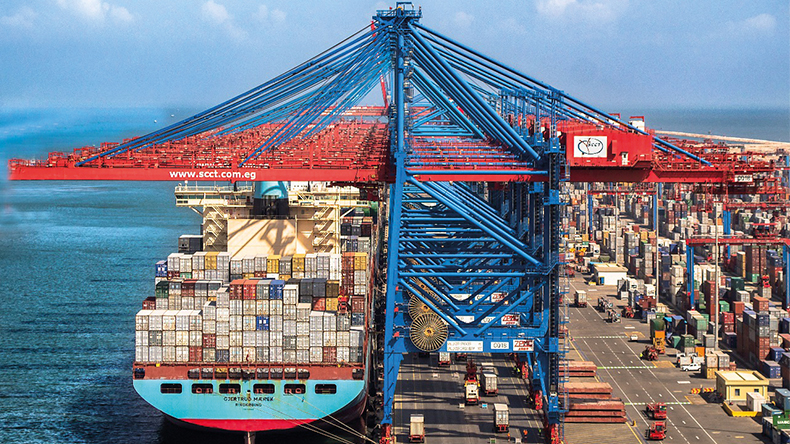
These reforms cut red tape, reduce costs, and make Tanzanian goods and services competitive internationally.
Tanzania is increasingly viewed as a rising trade hub in East Africa but to fully compete on the global stage, we must go beyond natural resources and geography. We need efficient systems and policies, predictable logistics, and smooth border clearance. That’s where trade facilitation reforms come in. These reforms cut red tape, reduce costs, and make Tanzanian goods and services competitive internationally.
With recent regional integration under African Continental Free Trade Area (AfCFTA) and growing demand for African products worldwide, the window of opportunity is open. But if we fail to modernize trade processes now, Tanzanian exporters risk losing to neighbours who move faster.
What Is Trade Facilitation, And What Has Tanzania Done So Far
“Trade facilitation” means simplifying, modernizing, and harmonizing trade procedures for imports, exports, and transit goods. It touches on customs, ports, border controls, logistics, documentation, and transport infrastructure.
Tanzania has recently implemented several important reforms:
- Introduction of an electronic single‑window system: Tanzania Electronic Single Window System (TeSWS) now linked with the national customs system Tanzania Customs Integrated System (TANCIS). This enables paperless clearance of cargo, real‑time documentation, and faster regulatory approvals.
- Port reforms at Dar es Salaam Port: The introduction of a structured berthing system fixed‑berthing windows (FBW) at the newly managed Terminal 2 helps reduce vessel waiting times, speeds up cargo handling, and improves predictability for shipping lines and exporters/importers.
- Improved infrastructure and logistics corridors: Investments in roads, rail, border posts, and hinterland connectivity aim to open up inland and regional trade routes, reducing cost and time for goods to reach markets.
- New national trade policy framework: The National Trade Policy 2023 emphasises trade facilitation, stronger domestic and export trade, integration with global markets, and building resilience to external shocks.
- Efforts to reduce non-tariff barriers (NTBs): Through initiatives supported by external partners and the government, Tanzania is working to identify, report and remove procedural and regulatory obstacles that delay cross-border trade, from permit delays to inconsistent standards.
Together, these reforms show a serious attempt to modernize how trade is handled and align Tanzania with international standards.
Why These Reforms Matter for Global Competitiveness
Lower trade costs and faster clearance
Studies show that trade facilitation reforms globally have helped lower trade costs by an average of 5%, with even larger gains for developing economies. For Tanzania, shorter wait times at ports and borders, and less paperwork via TeSWS, mean exporters/importers spend less on demurrage, storage, delays, and inefficiencies.
Better reliability and predictability are essential for exporters
Global buyers, importers, and international supply chains demand predictability. When customs clearance and port operations follow clear rules, exporters can promise delivery dates with confidence. The reforms at Dar es Salaam Port (FBW) and digital customs clearance systems improve that trust.
Enhanced regional and international integration, tapping AfCFTA and EAC markets
As Tanzania expands trade under AfCFTA and within the East African Community (EAC), streamlined cross-border procedures, harmonized standards, and efficient transit routes can reduce friction. That helps Tanzanian goods compete with imports and reach regional buyers faster.
Encouraging foreign investment and agro-processing industries
Investors, local or foreign, often avoid countries where importing raw materials or exporting goods is costly and slow. Efficient trade systems make Tanzania more attractive for factories, agro‑processors, exporters, and regional distribution hubs. This can create jobs, raise exports, and diversify the economy.
Levelling the playing field for SMEs
Often, small and medium enterprises (SMEs) suffer most from red tape, delays, and informal costs. Efficient trade processes benefit them, enabling them to access global markets or regional supply chains without being squeezed out by delays or high transaction costs. This inclusiveness strengthens Tanzania's trade base.
Risks, Challenges and What Must Be Done for Reforms to Deliver
Reforms are underway, but challenges remain:
- Some regulatory inefficiencies and non-tariff barriers (NTBs) still persist inconsistent standards, complex procedures, and fragmented regulatory oversight, slowing trade despite reforms.
- Many exporters and businesses still face delays, insufficient communication, and unclear compliance requirements, especially small producers in rural areas trying to export agricultural goods.
- To make full use of systems like TeSWS and TANCIS, training, digital literacy, and capacity building for clearing agents, port operators, border officials, and traders is required. Without this, systems may exist on paper but not deliver results.
- Logistics infrastructure gaps (roads, rail, hinterland connections) still raise costs and reduce competitiveness outside major corridors. Continued investment is needed.
- The legal/regulatory environment must be consistent contracts must be enforceable, standards harmonized, and institutional coordination improved. This is part of what the 2023 National Trade Policy aims to address.
Without follow‑through, reforms risk benefiting only a few big players while SMEs, rural producers, and smaller exporters remain marginalized.
What More Should Be Done A Roadmap for Policymakers and Stakeholders
To make trade facilitation reforms fully effective and competitive globally Tanzania should:
- Strengthen enforcement of harmonized customs and border procedures, reduce NTBs, and ensure transparency across ports and borders.
- Expand digital systems (like TeSWS) and ensure nationwide access, including rural areas and remote border posts.
- Invest in infrastructure: roads, rail (including hinterland corridors), dry ports, warehouses to lower logistic costs and connect production zones to ports/markets.
- Support SMEs and small exporters with capacity building: training in export requirements, quality standards, documentation, compliance, and digital tools.
- Promote regional integration under frameworks like AfCFTA and EAC, aligning standards and procedures with regional norms to ease export/import flows.
- Encourage public-private partnerships to maintain reforms, invest in logistics, and upgrade trade infrastructure for long-term competitiveness.
Conclusion: Trade Facilitation Isn’t Optional. It’s Strategic
For Tanzania to compete globally and regionally and to fully leverage its strategic location, growing industries, agricultural strength, and export potential, trade facilitation reforms are not a luxury; they are vital.
When clearance is fast, costs are low, procedures are clear, and infrastructure is adequate, exporters, investors, SMEs, and farmers all benefit. This paves the way for increased exports, industrial growth, more jobs, and a stronger Tanzanian economy that can thrive under global competition rather than be squeezed by it.
The reforms already underway from TeSWS and TANCIS to port upgrades and a modern trade policy show that the government recognizes this reality. What remains is follow‑through, institutional capacity, and inclusive implementation.
If Tanzania gets this right, trade facilitation will not just speed up cargo at the Dar port it will be the engine that accelerates the country’s transformation into a competitive, export-driven economy.
