
Rwanda’s Trade Axis Reconfiguration: China’s Rapid Ascent, Eastern DRC’s Structural Demand Corridor, and the Collapse of UAE Dominance in a Reordered Export Geography
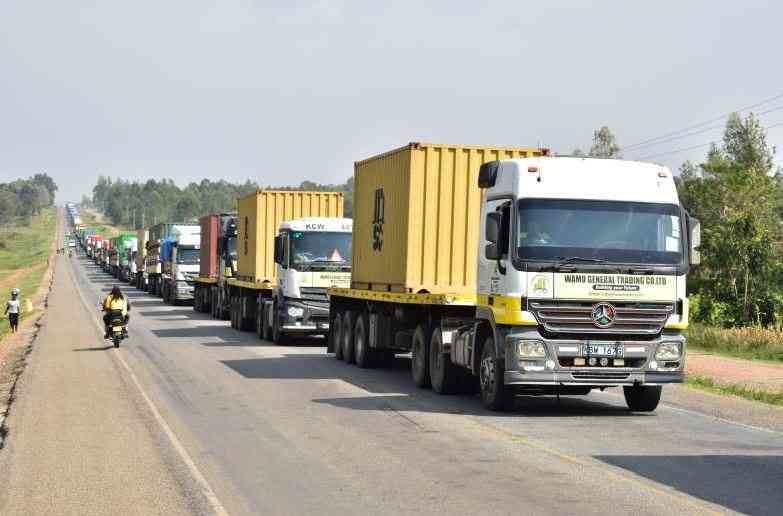
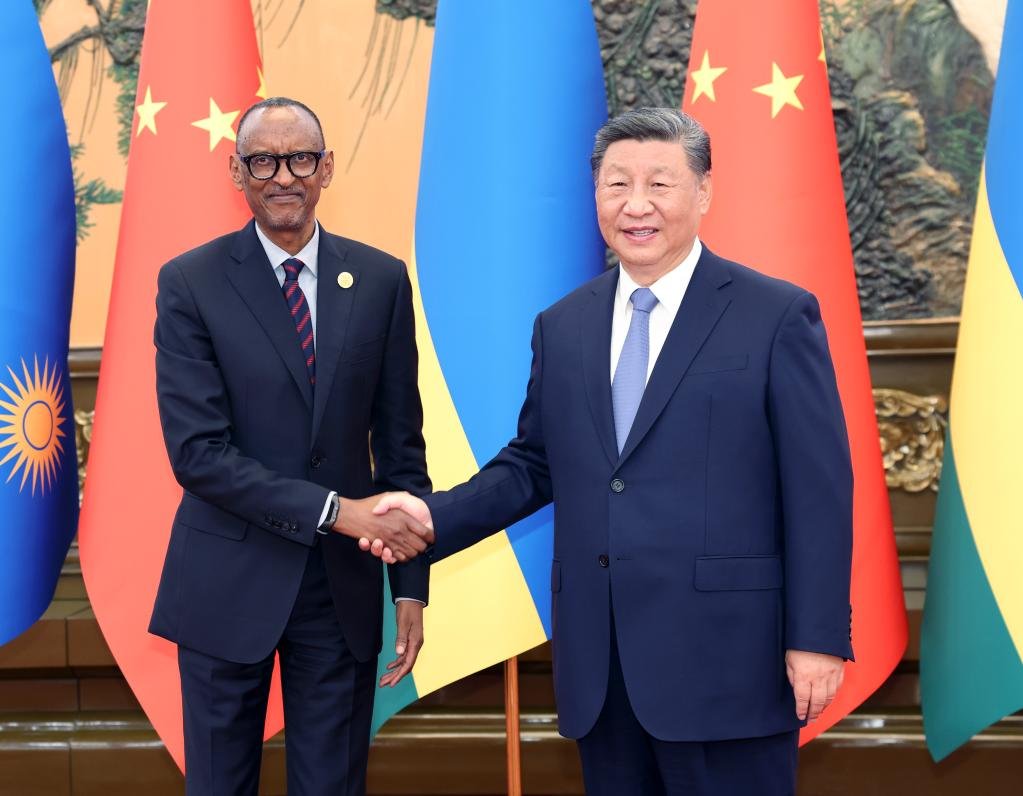
The evolution of Rwanda’s export geography in 2026 reflects a structural reordering of trade dependencies in which regional demand systems, global tariff regimes, and logistics corridors are converging to redefine the country’s external economic orientation. According to the National Institute of Statistics of Rwanda (NISR), exports to China reached $47.74 million in April 2026, narrowly trailing exports to the Democratic Republic of Congo at $48.28 million, a margin that signals not only statistical convergence but a deeper geopolitical and logistical rebalancing of Rwanda’s external trade architecture. The United Arab Emirates, which in 2024 absorbed more than $100 million in monthly exports, has experienced a steep contraction to $18.21 million by April 2026, reflecting a redistribution of trade flows away from Gulf re-export hubs toward structurally embedded African and Asian demand centres. The significance extends beyond bilateral trade balances into the architecture of regional political economy, where Rwanda is increasingly positioned as both a logistics intermediary for the eastern Democratic Republic of Congo and an emerging supplier to Asian markets under preferential trade frameworks established through China’s tariff-free access policy for least-developed countries. The convergence of these two forces produces a dual-axis export system in which one corridor is defined by geography, security stabilisation, and overland logistics integration into Goma, Bukavu, and surrounding consumption zones, while the other is defined by global value chain integration into Chinese manufacturing and consumer markets for commodities such as coffee, minerals, and agricultural exports. According to IMF trade competitiveness assessments and African Development Bank regional corridor studies, Rwanda’s evolving export structure mirrors a broader shift observed in frontier economies where traditional entrepôt roles such as those historically played by the UAE in re-export systems are gradually displaced by direct bilateral trade linkages with large consumption and production economies. In this configuration, Rwanda’s logistics infrastructure, customs efficiency, and border coordination systems increasingly function as critical determinants of trade elasticity, particularly in comparison with Uganda’s more fragmented export channels or Tanzania’s port-dependent trade structure. The current moment matters because it signals the emergence of a non-linear export geography in which China and eastern DRC operate as parallel demand poles, each driven by distinct but structurally reinforcing economic logics—industrial absorption on one side and regional consumption-led supply dependence on the other—placing Rwanda at the intersection of continental and global trade realignment.