
SHACMAN Enters Tanzania’s CNG Truck Market to Drive Cleaner, Lower-Cost Logistics
Ready
SHACMAN’s entry signals that CNG is moving beyond passenger vehicles and three-wheeled motorcycles to become a practical fuel option for large-scale commercial operations. For fleet owners, the proposition is clear: a factory-built heavy-duty truck that can reduce fuel costs by approximately 40–60%, deliver dependable performance and support cleaner operations. For Tanzania, the wider benefits are equally important. Greater CNG adoption can reduce petroleum import pressure, conserve foreign currency, support domestic energy utilisation, lower transport costs and strengthen the competitiveness of local businesses.
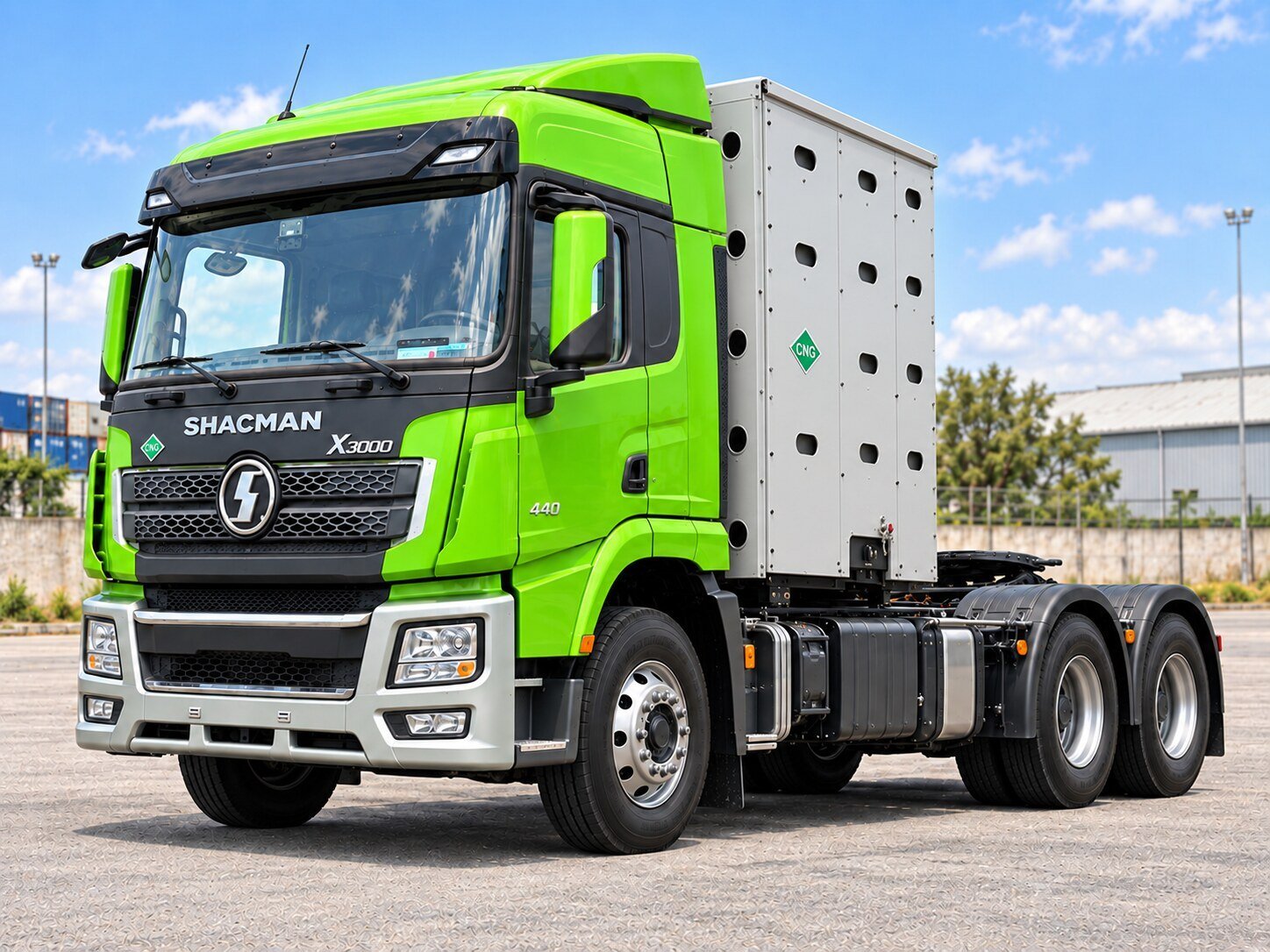
Chinese commercial vehicle manufacturer SHACMAN has entered Tanzania’s compressed natural gas truck market following the introduction of the SHACMAN X3000 CNG by its authorised distributor, CFAO Mobility Tanzania.
Unveiled in Dar es Salaam on September 4, 2026, the factory-built CNG truck is positioned as a cleaner and more cost-efficient solution for businesses involved in cargo transportation, construction, manufacturing, mining and regional trade.
Its introduction comes at a strategic moment for Tanzania. Demand for transport fuel is increasing, businesses are searching for ways to control logistics costs, and the country is expanding the productive use of its domestic natural gas.
Strong Economic Case for CNG Transport
Fuel represents one of the largest operating expenses for commercial fleet owners. The immediate attraction of the SHACMAN X3000 CNG is therefore its potential to substantially reduce this cost.
CNG can help businesses save approximately 40–60% on fuel expenditure compared with diesel. One kilogramme of CNG currently sells at an average price of approximately TZS 1,000, while a litre of diesel or petrol costs about TZS 4,000. CNG can also provide longer travel distances for the same amount of money spent on conventional petroleum fuels, strengthening its value for trucks that operate frequently, cover long distances and consume large quantities of fuel.
For fleet operators, these savings can improve cash flow, reduce the cost of each trip, and release capital for acquiring additional vehicles, maintenance, technology and workforce development.
The benefits extend across the economy. Lower trucking costs can influence the delivered prices of food, cement, manufactured products, farm inputs, mining supplies and other commodities transported within Tanzania and across regional markets.
Heavy Transport Is the Strategic CNG Market
Tanzania’s transport sector sits at the centre of the country’s petroleum demand. The country consumed 5.12 billion litres of petroleum products during the 2024/25 financial year, representing an increase of 10.3% from 4.64 billion litres in the preceding year. Diesel accounted for 2.82 billion litres, while petrol consumption reached 2.01 billion litres.
The retail distribution network, which is closely linked to road transport, consumed approximately 3.16 billion litres, equivalent to 61.8% of the country’s total petroleum consumption. These figures demonstrate why extending CNG adoption into heavy commercial vehicles can produce significant economic value. A gas-powered private vehicle can reduce costs for an individual motorist, but a CNG truck can influence the cost of moving goods across agriculture, manufacturing, construction, retail and regional trade.
High-consumption fleets such as port trucks, buses, cement carriers, beverage distributors, industrial transporters and mining-support vehicles offer some of the strongest commercial applications for CNG. These vehicles operate frequently and consume large volumes of fuel, making every saving per kilometre financially important.
CNG Adoption Is Accelerating
Tanzania’s CNG market is already moving from policy ambition into measurable demand. Vehicle use of CNG increased by 292% during the 2023/24 financial year, with average daily refuelling rising from 490 vehicles to 1,919 vehicles.
CNG production subsequently increased from 7.27 million kilogrammes in 2023/24 to 12.80 million kilogrammes in 2024/25. Vehicles consumed 11.19 million kilogrammes, accounting for approximately 87% of the country’s total CNG output. By June 2025, Tanzania had 15,954 CNG-powered vehicles and three-wheeled motorcycles, up from approximately 7,000 a year earlier. The fleet included 603 trucks, demonstrating that the transition into heavy transport has already begun.
The introduction of the SHACMAN X3000 CNG provides the market with a purpose-built heavy-duty option capable of accelerating this shift.
Cleaner Transport for a Growing Economy
Alongside its economic benefits, CNG offers environmental value for Tanzania’s expanding transport and industrial sectors. Natural gas burns more cleanly than diesel and petrol, helping to reduce visible exhaust smoke, particulate emissions and unpleasant exhaust odours. CNG-powered commercial vehicles can also operate more quietly, contributing to a cleaner and more comfortable urban and industrial environment.
For Tanzania’s cities, ports, industrial zones and major highways, the adoption of cleaner trucks can support improved air quality while reducing the environmental impact associated with the movement of goods.
This is particularly important as the country expands its manufacturing, construction, mining and logistics activities. Economic growth will require more commercial vehicles, but cleaner fuel technologies can ensure that this expansion is achieved with a lower environmental footprint.
The SHACMAN X3000 CNG therefore gives businesses an opportunity to reduce fuel expenditure and emissions without compromising the power required for heavy-duty operations.
Turning Tanzania’s Gas into an Industrial Advantage
Tanzania holds discovered natural gas reserves estimated at approximately 57.54 trillion standard cubic feet. Expanding CNG use in transport creates a direct connection between these domestic resources and the country’s industrial economy.
Tanzania imported 10.66 billion litres of petroleum products in 2024/25, representing an increase of 15.6% from 9.22 billion litres a year earlier. Of this volume, 40.28% served the domestic market, while 59.72% consisted of transit fuel for neighbouring countries moving through Tanzanian ports.
Greater use of locally available natural gas can help reduce the growth of petroleum import demand, conserve foreign currency and limit the economy’s exposure to international oil prices, shipping costs and global supply disruptions.
CNG can therefore serve as both a commercial fuel and an energy-security tool. It allows Tanzania to use part of its domestic gas resources to move people, goods, construction materials and industrial inputs more efficiently. Uchumi360
Infrastructure Is Following Demand
Tanzania’s supporting CNG infrastructure is expanding alongside vehicle adoption.
The number of CNG filling stations increased from five in 2023/24 to nine in 2024/25, with most operating in Dar es Salaam. Dedicated facilities are also supporting industrial users, including cement operations in Mtwara and Mkuranga.
During 2024/25, the Energy and Water Utilities Regulatory Authority issued 28 construction approvals and seven operating licences for natural gas supply facilities and CNG filling stations, mainly in Dar es Salaam and Pwani.
By June 2025, the country had approximately 186 kilometres of natural gas distribution pipelines and four CNG receiving terminals supplying gas through virtual pipeline systems. This growing infrastructure provides a foundation for developing CNG transport corridors connecting ports, truck yards, industrial parks, inland container depots, mining operations and major highways.
Dar es Salaam and Pwani provide a natural starting point because they combine port activity, industrial production and a high concentration of commercial fleets. The expanding market can progressively extend towards Morogoro, Dodoma, Tanga, Mtwara, Mbeya and Mwanza, as well as regional routes serving Zambia, Rwanda, Burundi, Malawi, Uganda and the Democratic Republic of Congo. Uchumi360
Built for Heavy-Duty Operations
Unlike vehicles converted from diesel after production, the SHACMAN X3000 CNG is manufactured as a dedicated gas-powered truck. It is equipped with a WEICHAI CNG engine, a FAST transmission and HANDE axles. The vehicle has also been calibrated for East African operating conditions, including long-distance routes, heavy cargo and demanding road environments.
Its factory-built CNG system is designed to deliver consistent performance while giving operators access to a cleaner and more affordable fuel. For transport companies, the combination of lower fuel expenditure, cleaner operation, heavy-duty capability and manufacturer-backed engineering can improve the total economics of fleet ownership.
Supporting Business and Employment Growth
The SHACMAN X3000 CNG can make fleet expansion more commercially viable by reducing one of the largest recurring costs associated with operating heavy vehicles. A company managing several trucks can redirect fuel savings towards acquiring additional vehicles, employing more drivers, improving maintenance systems or expanding into new regions.
Small and medium-sized enterprises can also benefit indirectly. Lower logistics costs can make it more affordable to transport products from farms and factories to markets, improving the competitiveness of locally produced goods.
As CNG adoption expands, Tanzania can also develop a broader supporting industry around gas processing, compression, filling-station construction, equipment maintenance, vehicle servicing, safety inspections, fleet-management systems, technical training and asset financing.
This means the CNG transition can create value beyond fuel savings by supporting new investment, technical skills and employment within the country’s automotive and energy sectors.
According to CFAO Mobility Tanzania Managing Director Ali Timimi, the introduction of the CNG model reflects the company’s commitment to providing mobility solutions that respond to customers’ changing operational needs.
Through CFAO Mobility’s distribution and after-sales network, SHACMAN customers will have access to vehicle servicing, genuine spare parts and technical support essential components in keeping commercial fleets productive.
A Boost for Tanzania’s Regional Trade Ambitions
Tanzania’s ports and road corridors serve several land-linked countries in East and Central Africa. Efficient trucking is therefore central to the country’s position as a regional logistics and trade gateway.
Lower fuel costs can make Tanzanian transport corridors more competitive while helping businesses move goods efficiently between the Port of Dar es Salaam, inland production centres and neighbouring markets. Cleaner trucks can also support the growth of regional freight without creating the same level of exhaust smoke and particulate emissions associated with conventional diesel fleets.
The SHACMAN X3000 CNG enters the market as Tanzania invests in roads, ports, railways, energy infrastructure and industrial development. Its introduction connects these priorities by combining commercial mobility, environmental responsibility and the productive use of domestic natural gas.
Growing a New Commercial Vehicle Category
SHACMAN’s entry signals that CNG is moving beyond passenger vehicles and three-wheeled motorcycles to become a practical fuel option for large-scale commercial operations.
For fleet owners, the proposition is clear: a factory-built heavy-duty truck that can reduce fuel costs by approximately 40–60%, deliver dependable performance and support cleaner operations.
For Tanzania, the wider benefits are equally important. Greater CNG adoption can reduce petroleum import pressure, conserve foreign currency, support domestic energy utilisation, lower transport costs and strengthen the competitiveness of local businesses.
 Uchumi360
Business Intelligence
Uchumi360
Business Intelligence
Uchumi360 covers business, investment, and economic policy across East, Central, and Southern Africa.
For the serious reader
You read to the end. That places you in a small group.
Uchumi360 is built for readers who demand precision over speed, structure over sentiment, and analysis that holds uncomfortable conclusions rather than softening them. If this work sharpens how you think about Africa's economy, help us keep building the infrastructure behind it.
Institutional Partners
Commission intelligence. Shape the conversation.
Uchumi360 works with development finance institutions, investment firms, sovereign bodies, and strategic organisations across the coverage region. Institutional partnership unlocks:
- Commissioned sector and country intelligence reports
- Branded research series under your institution's authority
- Exclusive data briefings for internal strategy teams
- Speaking and editorial presence at Uchumi360 events
- Co-published investment outlooks for your markets
Support Our Work
Independent analysis has a cost. Help us bear it.
Uchumi360 does not carry advertising. It does not take editorial direction from sponsors. Every article is produced without commercial compromise. Your contribution funds the reporting, research, and editorial infrastructure that keeps this analysis free from influence.
Secure checkout: One-time and monthly support are processed securely. Add payment credentials to enable checkout here.
Stay Connected
Keep up with every new insight.
Follow our latest analysis, policy coverage, and market intelligence as soon as it is published. If you need something specific, reach out directly and we will point you to the right research.
