
Tanzania Uses 153rd IPU Assembly to Pitch Its Investment Potential
Ready
Tanzania is using the 153rd Inter Parliamentary Union Assembly in Arusha to present the country not only as a venue for international dialogue but also as an investment destination with opportunities in energy, agriculture, tourism, mining and manufacturing. National Assembly Speaker Mussa Azzan Zungu said Tanzania's strategic position, natural resources, expanding infrastructure and political stability provide a foundation for investment across several sectors. The assembly, scheduled for October 5 to 9, is expected to bring more than 2,000 delegates from 183 IPU member parliaments. For Arusha, the event also creates a short term commercial opportunity for hotels, transport companies, restaurants, tourism operators and other service providers. The wider economic question is whether international conferences can help convert Tanzania's diplomatic profile into sustained investment and tourism relationships.
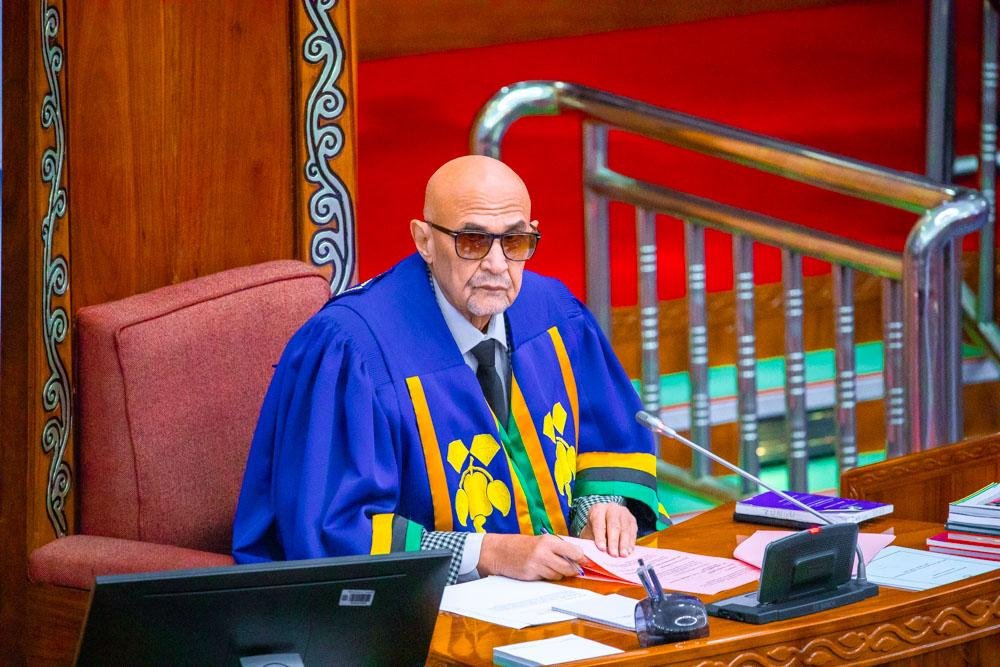
ARUSHA — Tanzania is using its hosting of the 153rd Inter Parliamentary Union Assembly to present the country as a destination for international investment, with National Assembly Speaker Mussa Azzan Zungu highlighting opportunities in energy, agriculture, tourism, mining and manufacturing during his welcome address to delegates.
Zungu said Tanzania's geographical position gives it a strategic role in connecting East and Central Africa, while its natural resources and expanding infrastructure create opportunities across several productive sectors. "Tanzania stands as one of the promising destinations for international investment in Africa," he said in the address, pointing to the country's location, resources and infrastructure as part of the investment proposition. The comments broaden the economic message surrounding the October assembly, which the National Assembly has previously described as an opportunity for Arusha and Tanzania to benefit from accommodation, food, transport and tourism activity.
The assembly will run from October 5 to 9 at the Arusha International Conference Centre and is expected to attract more than 2,000 delegates from 183 IPU member parliaments. The event is Tanzania's first time hosting the IPU Assembly and comes as Arusha seeks to reinforce its role as an international meetings and diplomatic centre.
Why is the Speaker linking parliamentary diplomacy with investment?
Zungu's address places the investment message alongside Tanzania's diplomatic and cultural proposition. He described the country as a nation of more than 120 distinct ethnic groups united by Swahili and the principle of Uhuru, before moving directly to its investment credentials. The structure of the speech presents political stability, geographic position, natural resources and infrastructure as complementary elements of the country's economic proposition rather than treating the IPU meeting solely as a diplomatic event.
"Tanzania's strategic location is a gateway to East and Central Africa," Zungu said, identifying energy, agriculture, tourism, mining and manufacturing as areas offering opportunities. His remarks come against a broader government effort to use international gatherings to present Tanzania to foreign visitors and potential partners, with the National Assembly previously saying the IPU meeting would provide a platform to showcase tourism attractions and investment opportunities.
The commercial opportunity is also immediate. In February, when Tanzania formally signed the hosting agreement with IPU Secretary General Martin Chungong, the National Assembly said about 2,000 participants were expected and identified accommodation, food, transport and tourism as sectors that could benefit. Arusha authorities have since engaged hotels and other businesses ahead of the meeting, while regional officials have urged tourism and hospitality companies to prepare products and services for international visitors.
What does Tanzania want delegates to see beyond the conference venue?
Zungu's address deliberately moves from the investment proposition to Tanzania's geography and tourism assets. He described Arusha as a "haven of peace and dialogue" at the foot of Mount Meru and presented the city as a gateway to the Ngorongoro Crater, where Maasai communities live alongside wildlife.
He then extended the invitation beyond Arusha, referring delegates to Zanzibar's coast and spice heritage, the Serengeti and its annual wildebeest migration, Mount Kilimanjaro and Olduvai Gorge. The message is economically relevant because Tanzania's conference proposition depends partly on connecting international meetings with the country's established tourism economy. The government and Arusha authorities have been encouraging delegates and businesses to link the assembly with tourism activity around the northern circuit.
The National Assembly has not published an official estimate of the total economic value that the five day assembly will generate. That makes it premature to assign a monetary figure to the event's impact. What can be established is that the expected delegation creates additional demand for accommodation, transport, food, conference services and tourism, while the assembly gives Tanzania direct access to senior parliamentary figures from 183 member countries.
Can Arusha turn the IPU meeting into a wider conference economy?
The assembly gives Arusha another opportunity to build its position in the meetings, incentives, conferences and exhibitions market. The city already hosts the East African Community headquarters and the African Court on Human and Peoples' Rights, while its proximity to Tanzania's northern tourism circuit gives conference visitors access to established international tourism products.
Preparations for the IPU meeting have included road maintenance around the Arusha International Conference Centre, street lighting, solid waste management, security, health services and engagement with hotels. The scale of preparation reflects the expectation that the event will generate activity beyond the conference venue and across the city's service economy.
For businesses, the opportunity is concentrated rather than permanent. Hotels can capture room demand, restaurants can serve delegates, transport operators can provide local mobility and tour companies can sell excursions. The longer term economic value will depend on whether events of this scale help Arusha secure more international conferences after October, rather than producing a temporary increase in activity around one assembly.
What investment sectors did the Speaker put before the international audience?
The sectors named by Zungu cover much of Tanzania's productive economy. Energy and mining are linked to the country's natural resource base, agriculture remains central to rural production and exports, tourism connects the country's wildlife and coastal assets to international visitors, while manufacturing is tied to Tanzania's wider industrialisation ambitions. His address therefore presented the investment opportunity as diversified rather than dependent on a single sector.
The timing also places the welcome remarks within a wider period of infrastructure expansion. Tanzania has been developing transport and energy infrastructure intended to improve domestic connectivity and strengthen the country's role in regional trade. For an international audience, the combination of geographic access, infrastructure and resource availability forms part of the case for viewing Tanzania as a platform for serving markets beyond its borders.
The IPU platform cannot itself create investment. Parliamentary delegations are not equivalent to investors, and the assembly's primary purpose remains parliamentary diplomacy. But the presence of senior political figures, parliamentary officials and representatives of international organisations creates a setting in which information about markets, regulations and investment opportunities can circulate alongside the formal programme.
What does the assembly mean for Tanzania's international economic positioning?
Tanzania's decision to frame the assembly around both diplomacy and economic opportunity reflects the growing overlap between international events and national economic positioning. Zungu's address presented the country through four connected attributes: geographic access, natural resources, infrastructure and political stability. The same address then used tourism and cultural assets to give the economic proposition a physical setting in which visiting delegates could experience the country directly.
The approach also fits the wider role Arusha has been developing as a centre for international dialogue. The city is already home to regional and continental institutions, and Tanzania is seeking to strengthen its capacity to host large international gatherings. The 153rd IPU Assembly therefore provides a test not only of Tanzania's ability to host a major parliamentary event but also of Arusha's capacity to convert international traffic into sustained business activity.
The immediate result will be measured in delegates accommodated, transported and served between October 5 and 9. The longer economic result will be harder to measure: whether relationships formed around the assembly produce new tourism flows, commercial partnerships, investment discussions or future conferences. Tanzania is putting the country's investment proposition in front of a global parliamentary audience. What follows after the delegates leave Arusha will determine the commercial value of that exposure.
FAQ
When will Tanzania host the 153rd IPU Assembly? The assembly will take place from October 5 to 9, 2026, at the Arusha International Conference Centre. Tanzania is hosting the IPU Assembly for the first time.
How many delegates are expected? The National Assembly expects about 2,000 participants, while recent preparations have continued to use a figure of more than 2,000 delegates, including Speakers, MPs and parliamentary staff. The participants are expected to come from the IPU's 183 member parliaments.
Which investment sectors did Speaker Zungu identify? Zungu identified energy, agriculture, tourism, mining and manufacturing as sectors with investment opportunities. He linked the opportunity to Tanzania's strategic position, natural resources and expanding infrastructure.
Which businesses are expected to benefit from the assembly? The National Assembly has identified accommodation, food, transport and tourism as immediate areas of economic opportunity. Arusha authorities have also been working with hotels and tourism businesses to prepare for increased demand during the meeting.
Why is Arusha hosting the assembly? Arusha is already an important centre for regional and international institutions, including the East African Community headquarters and the African Court on Human and Peoples' Rights. Its conference infrastructure and proximity to major tourism destinations also support its role as a destination for international meetings.
What is the wider economic opportunity for Tanzania? The immediate opportunity comes from delegate spending on accommodation, food, transport, tourism and conference services. The longer term opportunity is whether international gatherings can help generate future conferences, tourism visits, commercial relationships and investment discussions. No official figure has yet been published for the total economic value of the 153rd IPU Assembly.
 Uchumi360
Business Intelligence
Uchumi360
Business Intelligence
Uchumi360 covers business, investment, and economic policy across East, Central, and Southern Africa.
For the serious reader
You read to the end. That places you in a small group.
Uchumi360 is built for readers who demand precision over speed, structure over sentiment, and analysis that holds uncomfortable conclusions rather than softening them. If this work sharpens how you think about Africa's economy, help us keep building the infrastructure behind it.
Institutional Partners
Commission intelligence. Shape the conversation.
Uchumi360 works with development finance institutions, investment firms, sovereign bodies, and strategic organisations across the coverage region. Institutional partnership unlocks:
- Commissioned sector and country intelligence reports
- Branded research series under your institution's authority
- Exclusive data briefings for internal strategy teams
- Speaking and editorial presence at Uchumi360 events
- Co-published investment outlooks for your markets
Support Our Work
Independent analysis has a cost. Help us bear it.
Uchumi360 does not carry advertising. It does not take editorial direction from sponsors. Every article is produced without commercial compromise. Your contribution funds the reporting, research, and editorial infrastructure that keeps this analysis free from influence.
Secure checkout: One-time and monthly support are processed securely. Add payment credentials to enable checkout here.
Stay Connected
Keep up with every new insight.
Follow our latest analysis, policy coverage, and market intelligence as soon as it is published. If you need something specific, reach out directly and we will point you to the right research.
