

A Strategic Blueprint for Tanzania’s Trade, Investment and Global Competitiveness
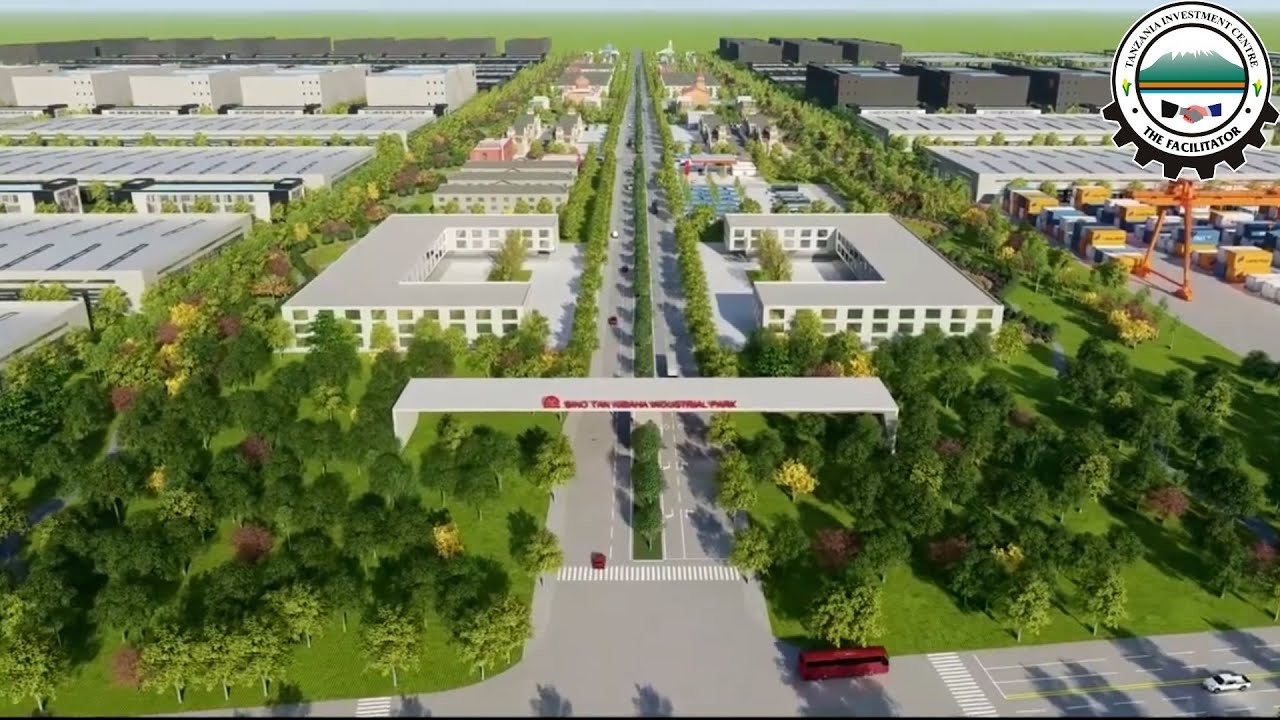
With coordinated policies and strong collaboration between government and the private sector, Tanzania has the potential to become a major gateway for trade, manufacturing, and investment across East and Southern Africa.
In an increasingly competitive global economy, countries must adopt clear strategies to strengthen trade, attract investment, and position themselves competitively in international markets. Lessons from national trade strategies such as the one adopted by Sweden show that economic competitiveness depends on coordinated policies that improve the business environment, support exports, and promote innovation.
For Tanzania, developing a similar strategic framework could help unlock its potential as a regional economic hub serving markets across East and Southern Africa while strengthening its position in global value chains.
1. Strengthening the Foundations of Competitiveness
The first pillar of global competitiveness is creating a strong domestic economic environment that supports businesses, investment, and innovation.
This requires continued investment in infrastructure such as ports, railways, energy systems, and digital connectivity. Strategic projects like the Standard Gauge Railway and modernization of the Port of Dar es Salaam already play an important role in improving logistics efficiency.
Reliable infrastructure reduces the cost of doing business, improves supply chains, and makes Tanzania more attractive for both domestic and foreign investors.
At the same time, regulatory reforms that simplify business registration, licensing, and taxation processes can significantly improve the investment climate.
2. Expanding Tanzania’s Export Capacity
A major component of trade competitiveness is increasing exports and ensuring that domestic companies are able to compete in international markets.
Tanzania’s export structure is still heavily dominated by raw commodities such as minerals, agricultural products, and natural resources. While these sectors remain important, the long-term strategy should focus on value addition and industrial production.
Developing agro-processing industries, textile manufacturing, and mineral processing could allow Tanzania to export finished goods rather than raw materials.
Regional markets also offer major opportunities. The country can use trade agreements within the East African Community and the Southern African Development Community to expand exports to neighboring countries.
3. Attracting Strategic Foreign Investment
Foreign direct investment (FDI) plays a crucial role in technology transfer, job creation, and industrial development.
Tanzania has significant advantages that can attract global investors, including its strategic location on the Indian Ocean, abundant natural resources, and a growing population.
To fully capitalize on these strengths, investment promotion agencies must focus on attracting investors in key sectors such as manufacturing, logistics, renewable energy, and technology.
Special Economic Zones and industrial parks can also help create favorable conditions for investors by offering infrastructure, regulatory support, and tax incentives.
4. Building an Innovation-Driven Economy
In today’s global economy, competitiveness is increasingly determined by innovation, technology, and research capacity.
Countries that lead in global markets invest heavily in education, research institutions, and technology ecosystems. Strengthening partnerships between universities, research institutions, and private companies can accelerate innovation in Tanzania.
Digital transformation also offers significant opportunities. Fintech, e-commerce, and digital logistics platforms can help local businesses expand their reach and improve productivity.
Developing innovation hubs and supporting startups can position Tanzania as a regional center for digital entrepreneurship.
5. Supporting Small and Medium-Sized Enterprises
Small and medium-sized enterprises (SMEs) are the backbone of Tanzania’s economy, providing employment for millions of people.
However, many SMEs face challenges including limited access to finance, technology, and international markets.
Government programs that provide credit facilities, digital training, and export support can help SMEs become more competitive.
Encouraging SMEs to participate in regional and global supply chains would significantly expand Tanzania’s industrial base.
6. Promoting Tanzania’s Global Economic Image
A country’s international reputation plays an important role in attracting trade and investment.
Strategic economic diplomacy, trade missions, and global branding campaigns can help position Tanzania as a reliable business destination.
Embassies, trade missions, and investment agencies should work together to promote Tanzanian industries abroad and connect local businesses with global partners.
This approach has been successfully used by countries that actively promote their companies and economic strengths internationally.
7. Leveraging the Green and Digital Transition
The global economy is increasingly shaped by two major trends: digital transformation and the green transition.
Countries that invest early in renewable energy, green manufacturing, and digital technologies will gain competitive advantages in global markets.
Tanzania’s renewable energy potential including solar, hydro, and geothermal resources can support sustainable industrialization while reducing energy costs.
Integrating green energy into industrial development strategies could make Tanzania an attractive destination for environmentally responsible investors.
The Strategic Opportunity for Tanzania
A well-designed national strategy for trade, investment, and global competitiveness can transform Tanzania’s economic trajectory over the next two decades.
By strengthening infrastructure, promoting exports, attracting investment, supporting innovation, and integrating into regional markets, Tanzania can position itself as one of the most dynamic economic hubs in Africa.
With coordinated policies and strong collaboration between government and the private sector, Tanzania has the potential to become a major gateway for trade, manufacturing, and investment across East and Southern Africa.