

Maximizing the Economic Benefits of Tanzania’s Mineral Resources: Governance, Value Addition, and Sustainable Development
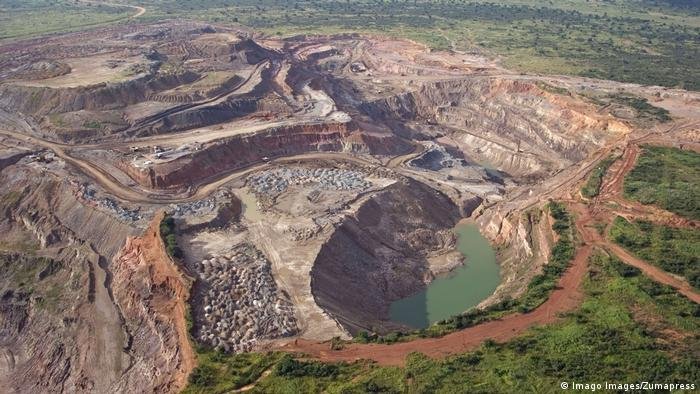
Over the past two decades, mining has contributed significantly to Tanzania’s foreign exchange earnings and government revenue. The country has also emerged as one of Africa’s leading gold producers, largely driven by large-scale mining operations from companies such as Barrick Gold through its partnership with Twiga Minerals Corporation.
The mining sector remains one of the most strategic pillars of economic development in Tanzania. The country is endowed with a wide range of mineral resources including gold, diamonds, coal, tanzanite, nickel, graphite, and rare earth elements. These resources provide a strong foundation for economic growth, export earnings, and industrial development if managed effectively.
Over the past two decades, mining has contributed significantly to Tanzania’s foreign exchange earnings and government revenue. The country has also emerged as one of Africa’s leading gold producers, largely driven by large-scale mining operations from companies such as Barrick Gold through its partnership with Twiga Minerals Corporation. However, despite these achievements, the full economic potential of Tanzania’s mineral wealth has not yet been fully realized. Key challenges remain in governance, limited value addition, and ensuring that mining activities contribute to long-term sustainable development.
Tanzania’s Mineral Wealth and Economic Potential
Tanzania possesses some of the most diverse mineral deposits in Africa. Gold remains the dominant export mineral, while gemstones such as Tanzanite, found only in Tanzania, represent a unique global asset. Other emerging resources such as graphite and rare earth elements are increasingly attracting global attention due to their importance in modern technologies including electric vehicles, renewable energy systems, and electronics.
This mineral wealth offers a powerful opportunity for Tanzania to strengthen its industrial base, increase export revenues, and support broader economic transformation. However, maximizing these benefits requires strong policy frameworks and strategic investments.
Governance Challenges in the Mining Sector
Effective governance remains a critical factor in determining how mineral resources contribute to national development. Transparent licensing processes, effective regulation, and accountability mechanisms are essential to ensure that mining activities generate fair benefits for the country.
Institutions such as the Ministry of Minerals and the Mining Commission of Tanzania play key roles in regulating the sector. Continued strengthening of these institutions can improve monitoring, reduce illegal mining activities, and ensure compliance with environmental and fiscal regulations.
Improved governance also helps build investor confidence while ensuring that communities and the government receive fair returns from resource extraction.
The Importance of Value Addition
One of the major challenges facing Tanzania’s mining sector is the limited level of mineral processing and value addition within the country. In many cases, raw minerals are exported with minimal processing, meaning that a large portion of the potential economic value is captured abroad.
Developing domestic mineral processing industries can significantly increase economic benefits. For example, gold refining, gemstone cutting and polishing, and graphite processing can create new industries, increase exports, and generate skilled employment.
The establishment of facilities such as the Tanzania Gold Refinery represents an important step toward retaining more value within the national economy. Expanding such initiatives could strengthen Tanzania’s position in global mineral value chains.
Sustainable Development and Environmental Responsibility
Mining activities must also be managed in a way that protects the environment and supports the well-being of local communities. Sustainable mining practices include responsible land use, water management, rehabilitation of mining sites, and fair compensation for affected communities.
Environmental oversight by institutions such as the National Environment Management Council is critical to ensuring that mining operations follow environmental standards. Sustainable practices not only protect ecosystems but also enhance the long-term viability of the mining sector.
Furthermore, mining revenues should be strategically invested in infrastructure, education, and social services to ensure that mineral wealth contributes to broad-based national development.
Opportunities in Emerging Minerals
The global transition toward clean energy and advanced technologies is increasing demand for minerals such as graphite, nickel, and rare earth elements. Tanzania possesses significant deposits of these strategic minerals, positioning the country as a potential key supplier in future global supply chains.
If supported by strong policies, investment in research, and industrial development, these emerging resources could play an important role in Tanzania’s long-term economic transformation.
Policy Directions for Maximizing Benefits
To fully harness the potential of its mineral resources, Tanzania can pursue several strategic policy priorities:
Strengthening governance and transparency
Improving regulatory oversight and transparency in licensing and revenue management can enhance public trust and investor confidence.
Promoting domestic value addition
Encouraging investment in mineral processing industries can increase export value and create skilled jobs.
Investing in infrastructure and industrial zones
Reliable energy, transport networks, and industrial parks can support the growth of mining-related industries.
Supporting local participation
Policies that encourage local businesses and workforce participation in mining supply chains can increase economic inclusion.
Ensuring environmental sustainability
Strong environmental regulations and responsible mining practices are essential for long-term resource management.
Conclusion
Tanzania’s mineral resources represent a powerful opportunity to accelerate economic transformation and industrial development. However, the long-term benefits of these resources will depend on how effectively the sector is governed, how much value is added domestically, and how sustainably mining activities are managed.
By strengthening governance, expanding value addition, and investing in sustainable practices, Tanzania can ensure that its mineral wealth becomes a catalyst for inclusive and lasting economic growth.