

Why Tanzania Must Embrace Gender Inclusion in Mining
Gender inclusion in mining is not about displacing men or introducing symbolic representation. It is about ensuring that Tanzania fully utilizes its human capital and transforms mineral wealth into inclusive national development.
Mining remains one of Tanzania’s most important economic pillars, contributing significantly to export earnings, government revenue, and regional development. From gold and gemstones to graphite, coal, and strategic minerals such as nickel and lithium, the sector continues to shape the country’s industrial and investment landscape.
Yet behind this growth lies a critical gap: women remain largely excluded from meaningful participation in mining, especially in technical, managerial, and decision-making roles. Addressing gender inclusion in mining is no longer a matter of social advocacy alone; it is an economic and governance imperative.
Across the world, mining economies are discovering that inclusive workforces are more productive, safer, and better governed. Tanzania is no exception. Women represent more than half of the national population, yet their presence in formal mining employment remains minimal. By limiting participation, the sector denies itself a wider pool of skills in engineering, geology, environmental management, finance, and regulatory oversight.
Gender inclusion also has direct implications for governance and safety. Mining is a high-risk industry where compliance, transparency, and ethical conduct are essential. Research from extractive industries shows that gender-diverse institutions tend to perform better in safety enforcement, workplace discipline, and community engagement. For Tanzania, where mining-community relations are often sensitive, greater female participation can help build trust and accountability.
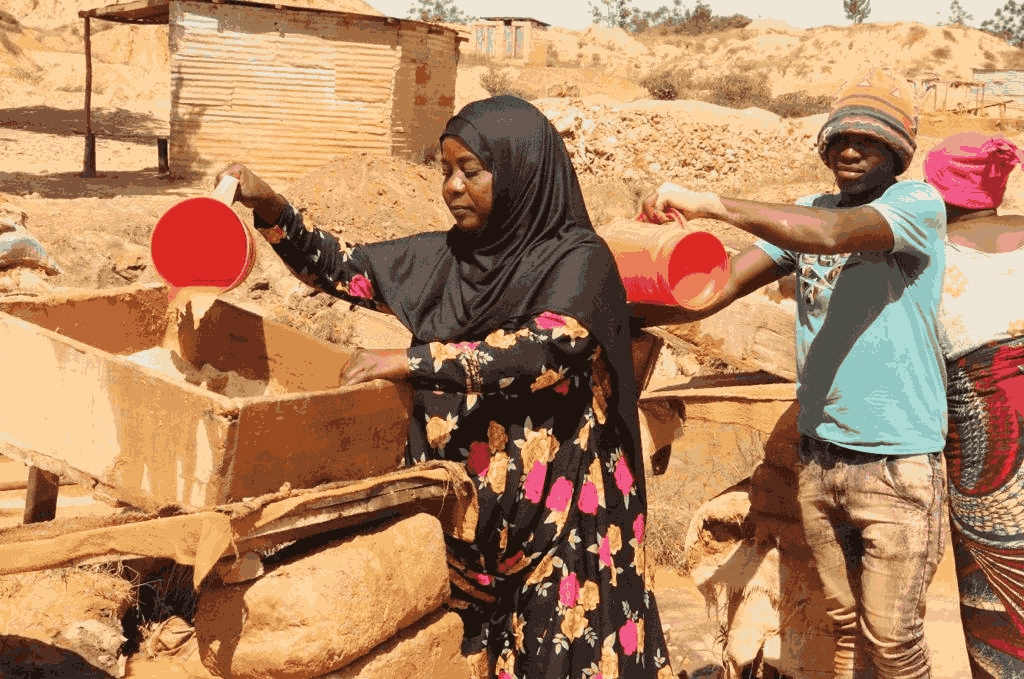
Nowhere is the gender gap more visible than in artisanal and small-scale mining. In regions such as Geita, Shinyanga, Mara, and Mbeya, women are deeply involved in mineral processing, trading support, and informal labour around mine sites. However, most operate outside formal structures, lacking licenses, financing, and safety protection. Gender-responsive mining policies can help formalize women’s participation, improve incomes, and increase government revenue while reducing exploitation and child labour.
The economic benefits extend beyond mine sites. When women earn stable incomes, households and communities benefit. Studies consistently show that women reinvest earnings into education, health, and nutrition, leading to broader social stability. In mining regions, gender inclusion can turn mineral extraction into long-term community development rather than short-lived economic booms.
Global investment trends further strengthen the case. Mining finance is increasingly shaped by Environmental, Social, and Governance (ESG) standards. Investors now assess how countries manage social inclusion alongside environmental protection. Tanzania’s ability to attract long-term capital, particularly for strategic minerals linked to the energy transition, depends on demonstrating responsible and inclusive resource governance.
Gender inclusion also aligns with Tanzania’s local content and industrialization agenda. By investing in training and career pathways for women in mining-related disciplines, the country reduces reliance on foreign expertise and strengthens domestic capacity. This approach supports national development goals under Vision 2025 and future industrial frameworks.
Importantly, Tanzania has already committed itself to gender equality through national policies, African Union frameworks, and the Sustainable Development Goals. Integrating gender inclusion into mining ensures that economic growth does not contradict these commitments.
In the final analysis, gender inclusion in mining is not about displacing men or introducing symbolic representation. It is about ensuring that Tanzania fully utilizes its human capital and transforms mineral wealth into inclusive national development. A mining sector that excludes half the population cannot deliver sustainable prosperity.
As Tanzania positions itself as a competitive and responsible mining destination, embracing gender inclusion is no longer optional; it is essential.