
Tanzania Has 1,424 Kilometres of Coastline but Has Barely Developed Its Ocean Economy
Ready
Tanzania has 1,424 kilometres of Indian Ocean coastline stretching from Tanga to Mtwara, but the country has developed relatively few integrated coastal resort destinations, modern marinas or substantial marine leisure districts outside established tourism centres. A 2024 government audit found that 71 of 79 identified potential beach tourism sites remained undeveloped as of October 2023, despite opportunities in accommodation, sailing, diving, waterfront recreation and related services. With international tourism earnings reaching $4.41 billion in 2025 and the government targeting a $1 trillion economy by 2050, the article examines why mainland coastal tourism has attracted limited investment, the institutional and infrastructure constraints holding it back, and how planned coastal development could support employment, private capital and economic diversification.
From Tanga and Pangani to Bagamoyo, Dar es Salaam, Kilwa, Lindi and Mtwara, Tanzania possesses an Indian Ocean coastline capable of supporting resort cities, marinas, sailing tourism, waterfront developments, marine recreation and high-value hospitality businesses. Yet a government audit found that 71 of 79 identified beach tourism sites remained undeveloped, even as international tourism earnings reached $4.41 billion in 2025. With Tanzania targeting a $1 trillion economy by 2050, the limited commercial development of its mainland coastline represents an overlooked opportunity for investment, employment and economic diversification.
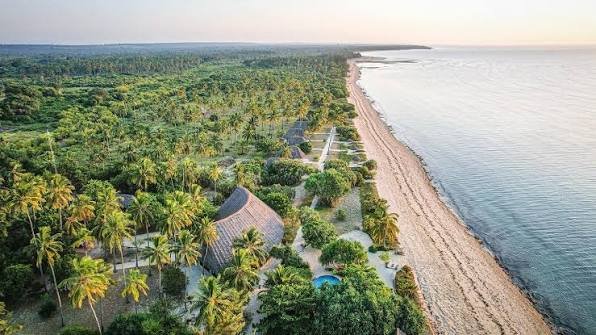
Tanzania has 1,424 kilometres of Indian Ocean coastline stretching from the border with Kenya near Tanga to Mozambique beyond Mtwara, yet much of this extensive maritime frontage remains economically underdeveloped outside ports, traditional fishing settlements, scattered hospitality investments and a limited number of established tourism destinations. The country has invested substantially in its national parks, wildlife tourism, roads, railways and commercial ports, but has not developed a comparable network of planned coastal resort towns, public waterfronts, modern marinas, sailing destinations and integrated leisure facilities capable of converting its beaches and marine environment into a major source of employment, private investment and sustained visitor spending.
The scale of the missed opportunity is documented by Tanzania's own public audit institutions. In its March 2024 performance audit on the management of beaches, the Controller and Auditor General (CAG) found that 71 of 79 identified areas with potential for beach tourism, equivalent to 89%, had not been developed and utilised for tourism as of October 2023. The audit found that these areas possessed natural features suitable for swimming, snorkelling, diving, water sports and other recreational activities, but lacked the infrastructure, investment arrangements, services and coordinated planning necessary to function as competitive tourism destinations. Several were being used for small scale agriculture, livestock keeping and salt production, activities that provide legitimate local livelihoods but demonstrate that the coastline has not been systematically organised to accommodate a wider range of commercial uses.
The finding becomes more consequential when considered against Tanzania's rapidly expanding tourism market. The 2025 International Visitors' Exit Survey, jointly produced by government institutions including the National Bureau of Statistics and the Bank of Tanzania, reported 2,294,495 international tourist arrivals in 2025, compared with 2,141,895 in 2024. Tourism earnings increased by 13% to $4.41 billion, while average expenditure per visitor per night rose from $243 to $289. These figures demonstrate that Tanzania already attracts substantial international demand and that visitors are spending more, but the country's tourism offer remains heavily associated with national parks, mountain climbing and Zanzibar's beach resorts.
Tanzania's Underdeveloped Coastal Opportunity
1,424 km
Indian Ocean coastline
89%
Identified beach sites undeveloped in the 2023 audit
$4.41B
National tourism earnings, 2025
$1T
National GDP ambition for 2050
Sources: Tanzania Controller and Auditor General, 2024; Tanzania Tourism Sector Survey, 2025; National Development Vision 2050. The tourism total covers Tanzania as a whole, including Zanzibar.
The underdevelopment of mainland coastal tourism is particularly difficult to explain through geography alone. Tanzania has warm Indian Ocean waters, tropical islands, extensive beaches, coral reefs, mangrove forests, historic Swahili settlements and a large domestic urban population that could support year-round leisure activity. Its coast is positioned along international maritime routes and relatively close to established tourism source markets in East Africa, the Middle East and Europe. Dar es Salaam alone provides an existing metropolitan customer base for beach clubs, boating, restaurants, sailing, waterfront entertainment and short coastal holidays, yet the city's oceanfront remains fragmented between residential developments, commercial facilities, transport infrastructure, fishing settlements and comparatively small pockets of organised recreation.
The economic issue extends well beyond international tourists occupying hotel rooms. A developed coastal economy could support construction companies, architects, marine engineers, boat operators, restaurants, property managers, dive instructors, equipment suppliers, hospitality workers, maintenance businesses, seafood processors, transport providers and cultural enterprises. These activities generate different forms of income and employment, while also stimulating demand for locally produced food, furniture, textiles, building materials and professional services. A resort city or functioning marina represents a collection of complementary businesses whose commercial viability depends on the availability of infrastructure, predictable regulation, reliable services and sufficient customers.
Tanzania's National Development Vision 2050 explicitly targets a $1 trillion economy and identifies the blue economy as a source of future growth. The government's Long Term Perspective Plan for 2026/27 to 2050/51 recognises approximately 64,000 square kilometres of ocean waters, an exclusive economic zone of about 223,000 square kilometres and substantial opportunities in fisheries, aquaculture, tourism, marine transport, offshore energy and related industries. However, translating these natural resources into economic output requires more than recognising their existence in national planning documents. The country must establish which commercial activities can be developed competitively, where investments should be located, who will finance the required infrastructure and how local communities will participate in the resulting economic activity.
A Government Audit Identified the Problem Years Ago
Tanzania's failure to develop much of its coastline is supported by findings that go considerably further than the absence of large hotels or modern marinas. The CAG's Performance Audit Report on the Management of Beaches examined whether government institutions had established effective arrangements for identifying, developing, protecting and promoting beach tourism. The audit found weaknesses in planning, implementation, coordination, investment facilitation, infrastructure and monitoring across the Ministry of Natural Resources and Tourism, the President's Office responsible for local government and the Marine Parks and Reserves Unit.
One of the most consequential findings concerned the planning framework. At the time of the audit, the Ministry of Natural Resources and Tourism was still relying on a tourism master plan prepared in 2002, despite changes in international visitor demand, coastal development patterns and infrastructure requirements over the following two decades. The auditors also found that recommendations from a 2019 strategy for accelerating tourism development had not been adequately incorporated into annual implementation plans. As a result, potentially commercially valuable beach sites remained identified on paper without the infrastructure, investment preparation or management arrangements needed to attract operators and visitors.
The audit examined 19 beaches and found accessibility problems at ten of them, including difficulties associated with road, water and air transport, insufficient visitor information and restrictions on access. Six beaches faced transport-related challenges, while other locations encountered obstacles associated with investment approvals or physical access through adjoining properties. These findings suggest that the fundamental problem was not simply a lack of interest among hotel investors. Many destinations had not been provided with the basic conditions required for tourism businesses to operate successfully.
Hotels Association of Tanzania executive director Kennedy Edward addressed these weaknesses in comments published by The Citizen on April 16, 2024. He argued that Tanzania required a more coordinated approach to coastal land use, including areas designated for tourism while protecting space for fishing, livestock and other community activities. Edward also identified inconsistent regulations across local authorities as an obstacle for investors and proposed clearer institutional responsibility for beach management, comparable in some respects to the administrative arrangements used for protected tourism areas.
His argument highlights a problem common in land-intensive tourism investment. Private investors may be willing to finance hotels, restaurants, marinas or recreation businesses, but their decisions depend on clear land rights, predictable approval procedures, access roads, utility connections and confidence that surrounding developments will be compatible with the intended project. A resort operator cannot independently guarantee the quality of an entire coastal district if neighbouring land use remains unplanned, drainage and waste management are inadequate or public access disputes regularly interrupt operations.
The CAG also documented differences in revenue performance between developed and less developed sites. Its audit reported declining collections at selected marine park beaches while identifying substantially stronger collections at the commercially developed Thanda Beach in the Mafia Island Marine Park. The experience illustrates how visitor facilities and investment can strengthen revenue generation, although one site's performance cannot automatically be replicated elsewhere without considering accessibility, operating costs, visitor demand and environmental carrying capacity.
The 89% finding should be understood as the status of 79 identified potential sites at the time of the 2023 audit, rather than an independently verified inventory of all beaches in Tanzania in November 2026. Nevertheless, the report established a structural development problem, and the available evidence does not demonstrate that a comprehensive programme of coastal tourism investment has subsequently resolved it.
Tanzania Has Coastal Towns, but Few Function as Integrated Resort Destinations
The difference between possessing beaches and developing a coastal tourism economy is visible when examining Tanzania's mainland coastline from north to south. Tanga has a sheltered harbour, historic commercial buildings, nearby islands and established marine recreation activities. Pangani has beaches, river scenery, Swahili heritage and proximity to Saadani National Park. Bagamoyo combines historic architecture, beaches and proximity to Dar es Salaam, while the capital's waterfront supports existing hotels, restaurants, private leisure facilities and boat excursions. Further south, Mafia Island has established diving and conservation tourism, Kilwa offers historic ruins and coastal scenery, and Lindi and Mtwara possess beaches and marine environments that remain comparatively lightly developed for international leisure markets.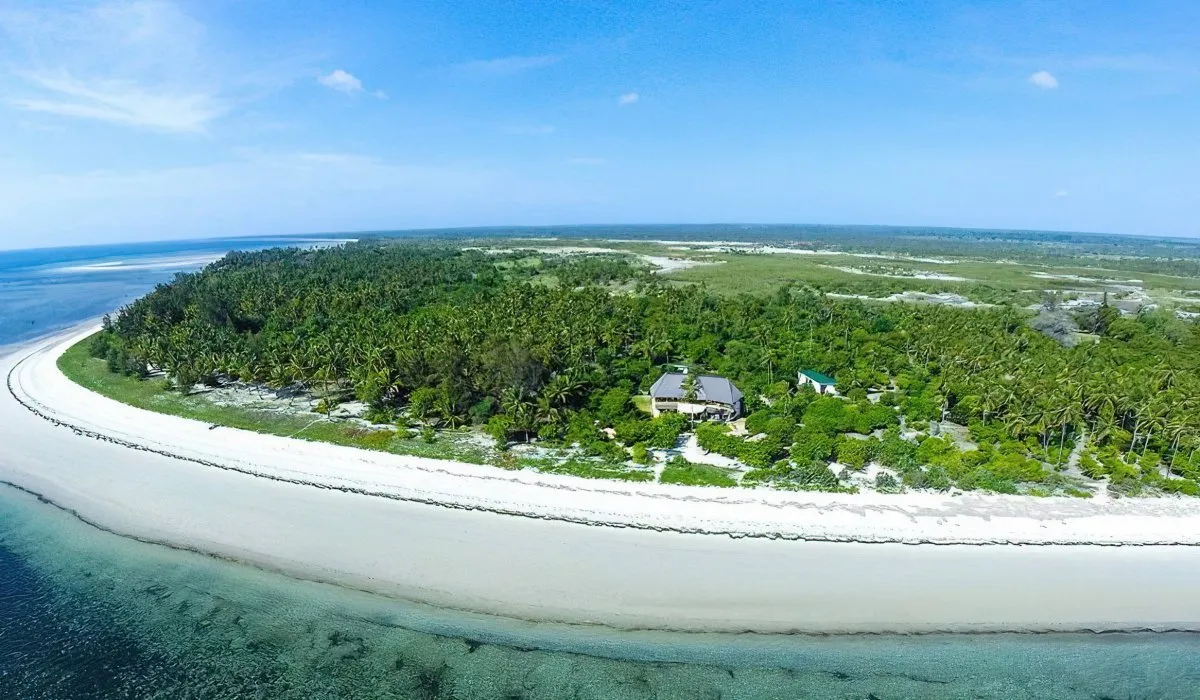 These destinations should not be described as having no tourism investment. Dar es Salaam has beach hotels and waterfront hospitality businesses; Mafia has established lodges and dive operators; Bagamoyo and Pangani accommodate smaller resorts; and Tanga has boating facilities. The more defensible observation is that these investments have not produced a connected system of internationally competitive resort districts and coastal towns with a wide range of accommodation, public facilities, marine services, entertainment and dependable transport connections.
The limited availability of these complementary services helps explain why an attractive beach may remain a short excursion rather than become a destination where visitors spend several nights and support numerous businesses.
The coastal investment corridor
Potential commercial specialisations, not approved development projects or proposed land allocations.
 The northern corridor between Tanga, Pangani, Saadani and Bagamoyo presents an especially interesting opportunity because several destinations are relatively close to one another and could form a connected coastal tourism circuit. Such a circuit could combine beaches, sailing, fishing excursions, nature tourism, cultural sites and smaller hospitality establishments, with visitors moving between destinations rather than remaining in one resort. The government is already investing in transport connections that could help make this possible. On February 5, 2026, Deputy Works Minister Godfrey Kasekenya told Parliament that construction of the 256 kilometre Tanga to Pangani to Saadani to Makurunge road was continuing in stages, with the first 50 kilometre section between Tanga and Pangani approximately 77% complete. The Pangani River bridge and connecting roads had reached 80.16%, while another 92.5 kilometre section was 57.38% complete. Financing was still being sought for a remaining 75 kilometre section.
The road investment demonstrates how transport infrastructure can support opportunities beyond its immediate purpose. A reliable coastal road could reduce travel times, improve access for construction materials and service providers, support domestic weekend tourism and make it easier for investors to develop accommodation outside established urban centres. Yet the existence of a road does not guarantee the emergence of a tourism destination. The adjoining land must be planned, investors must be able to obtain suitable property rights, wastewater systems must be provided and a commercially viable combination of hospitality and recreation businesses must develop.
Bagamoyo illustrates the importance of aligning different forms of coastal investment. The government is pursuing the Bagamoyo Eco Maritime City concept, combining a proposed deep sea port, industrial facilities, a special economic zone and supporting transport infrastructure. In a January 6, 2026 statement, the Tanzania Investment and Special Economic Zones Authority described the project as part of the country's industrialisation ambitions under Vision 2050. The development could support employment, logistics and manufacturing, but large industrial ports are not automatically compatible with every form of leisure tourism. A viable coastal strategy would need to distinguish locations suitable for heavy industry and cargo handling from beaches and heritage districts where environmental quality, urban design and public access are essential to visitor demand.
Further south, Mafia Island and the Rufiji to Kilwa coastline present opportunities that differ from large urban resort development. The area includes coral reefs, mangroves, seagrass habitats, islands and historic settlements that support diving, wildlife observation, fishing and cultural tourism. UNESCO recognises the Rufiji, Mafia, Kibiti and Kilwa area as the RUMAKI Biosphere Reserve, encompassing more than one million hectares of terrestrial and marine environments. Its conservation framework emphasises community participation, sustainable fisheries and forms of tourism compatible with the protection of sensitive coastal habitats. These characteristics may support a smaller number of higher spending visitors and carefully managed accommodation rather than dense construction along every available beach.
Kilwa also offers the possibility of combining maritime recreation with the economic value of cultural heritage. Kilwa Kisiwani and Songo Mnara are internationally recognised historic Swahili settlements, associated with trading networks that connected East Africa with Arabia, India and other Indian Ocean markets centuries before modern maritime infrastructure emerged. A destination combining heritage tourism, quality accommodation, coastal excursions and reliable transport could attract travellers interested in experiences beyond conventional beach holidays. However, the success of such a destination would depend on preserving the historic sites and marine environment, developing credible commercial operators and improving visitor access.
Lindi and Mtwara occupy the southern end of the proposed corridor, where the government has concentrated considerable attention on commercial port facilities, fisheries, energy development and links with Mozambique and the wider southern African region. The area also has beaches and marine landscapes that could support tourism, but its investment priorities should reflect actual demand and the needs of coastal communities. A small maritime leisure district, waterfront hospitality facilities or a regional coastal recreation network may be more commercially appropriate initially than attempting to construct a large international resort city before transport connections, customer volumes and essential infrastructure are established.
Tanzania Has a Coastline Suitable for Sailing, but a Limited Yachting Economy
One of the least developed commercial segments is organised marine leisure, particularly sailing, yacht charters, berthing, maintenance services, cruising itineraries and supporting hospitality. International sailing tourism involves much more than the ownership of expensive boats. A yacht travelling between countries requires safe anchorages, immigration and customs procedures, fuel, freshwater, electricity, maintenance facilities, waste disposal, weather information, security and transport connections to nearby commercial centres. Where these services are reliable, visiting vessels create demand for restaurants, accommodation, repair businesses, local excursions, provisions, equipment and professional services.
Tanzania already has some of this activity, but the available infrastructure appears concentrated in individual clubs and anchorages rather than a wider network of full service leisure marinas. The Dar es Salaam Yacht Club receives visiting vessels and offers access to facilities near Msasani Bay, while the Tanga Yacht Club provides anchoring arrangements, water, showers and access to maintenance services. These establishments demonstrate an existing sailing community and international maritime connections. However, their presence is different from a nationally coordinated marina sector with multiple destinations, standardised visitor services, boatyards, charter businesses and predictable cruising arrangements.
A modern marina can become the commercial centre of a coastal district because its operations create demand beyond boat berthing. Vessels require maintenance, cleaning, mechanical repairs, electrical services, refrigeration, equipment, insurance and provisioning. Owners and visiting crews may purchase accommodation, restaurant services, transport and excursions. Charter operators require trained skippers, hospitality personnel and technicians, while supporting businesses may include marine equipment retailers, training schools and boat storage facilities. The potential economic activity therefore extends across several professions, many of which could provide relatively skilled employment.
Yet Tanzania should avoid assuming that every attractive bay requires an expensive marina. Marina development is capital intensive, and dredging, breakwaters and other marine structures can damage sensitive ecosystems if poorly planned. Demand from visiting and locally based vessels must be assessed before investment, particularly where the sailing season, prevailing weather, marine depth and distance from established routes affect commercial viability. The first practical step could be a network of safe and professionally managed anchorages, improved clearance procedures and targeted upgrades to existing boating facilities, with larger marinas developed only where demand and environmental assessments justify them.
Zanzibar has already identified marinas, cruise tourism and water sports among the marine investment opportunities it seeks to attract. The Zanzibar Investment Promotion Authority's investment guidance lists beach resorts, cruise facilities, marinas and marine conservation alongside other economic activities. Tanzania Mainland could develop a complementary framework, recognising that some visiting vessels may wish to travel between Zanzibar, Dar es Salaam, Tanga and destinations further south. A coordinated sailing route would offer greater commercial value than treating each anchorage as an isolated destination.
The opportunity also extends to domestic demand. Tanzania's expanding urban middle class and business community could support sailing clubs, small boat ownership, short yacht charters, recreational fishing, water sports and family excursions where services are safely operated and available at different price levels. Marine recreation should not be designed exclusively for international luxury travellers. A broader market could support businesses offering affordable activities, training and equipment hire, while premium operators serve customers seeking higher priced private experiences.
Zanzibar Demonstrates the Commercial Potential, but Also the Limits of Coastal Tourism
The contrast between mainland coastal development and Zanzibar offers evidence that international demand for Indian Ocean leisure tourism already exists within Tanzania. Zanzibar has attracted extensive investment in hotels, beach resorts, restaurants, excursions and supporting services, particularly across Unguja, while maintaining a distinct identity built around its beaches, maritime heritage and historic urban environment. The island economy has become heavily dependent on tourism, with the sector influencing construction, real estate, transport, hospitality employment and the provision of commercial services.
According to the Bank of Tanzania's Financial Stability Report published in May 2026, Zanzibar received 917,167 international tourists in 2025, an increase of 24.5% from the previous year. The report also identified accommodation and food services, construction, manufacturing and real estate investment among the activities supporting the islands' 7% economic growth during 2025. These figures demonstrate that beach tourism can support a much wider set of economic activities than accommodation alone, particularly where tourism demand encourages construction, transport improvements and private investment in supporting services.
The World Bank's February 2026 Tanzania Economic Update provides an additional indication of the sector's commercial significance. Its analysis found that Zanzibar's available hotel capacity expanded from approximately 500,000 monthly bed nights before the pandemic to 900,000 in 2025, while hotel occupancy reached a reported 93% in August 2025. The World Bank also warned that rapid expansion was bringing the destination closer to infrastructure and environmental limits, including pressure on water, waste management, coastal environments and the availability of suitable development land.
These findings are relevant to mainland Tanzania in two ways. They establish that international visitors are willing to travel to the Tanzanian coast for leisure and that private investors can respond when suitable commercial conditions exist. They also demonstrate that tourism growth can create pressure on the very environments and public infrastructure upon which the industry depends. The mainland has an opportunity to plan new destinations before the concentration of developments, inadequate wastewater systems or conflicts over coastal land use become difficult and expensive to correct.
The comparison should not suggest that Zanzibar's model can be reproduced unchanged from Tanga to Mtwara. The islands have different transport arrangements, tourism identities, land administration systems and visitor markets. Some mainland destinations could support large resorts and urban waterfront districts, while others would be more suitable for diving, heritage tourism, nature based accommodation or domestic recreation. The commercial case must be established individually rather than assuming that an attractive beach will automatically achieve the occupancy rates recorded in Zanzibar.
The Missing Investment Is an Entire Coastal Services Industry
A recurring weakness in Tanzania's approach to beach tourism is the tendency to equate development with constructing hotels. Accommodation is necessary, but a successful destination usually depends on a wider set of public and private investments that make it convenient, attractive and commercially sustainable for visitors to spend time and money there. These include reliable roads, electricity, clean water, wastewater treatment, safe public beaches, restaurants, recreation facilities, local transport, medical services, well managed public spaces and businesses that provide activities beyond accommodation.
A resort destination with few restaurants, limited transport options and no organised marine activities may struggle to encourage visitors to extend their stay. Conversely, a destination with beaches, cultural attractions, sailing, diving, seafood restaurants, local markets and public waterfronts can support a greater range of commercial transactions during the same visit. Additional visitor spending can circulate through local suppliers and service providers, although the economic benefits depend on how much of the spending reaches domestic businesses rather than being absorbed by imported goods, foreign owned services or operating costs.
Coastal development also creates opportunities for domestic construction and property services. Planned resort districts require architects, engineers, contractors, building materials, landscape designers and maintenance firms. Once accommodation facilities are operational, demand continues for cleaning, security, landscaping, food supply, equipment maintenance and management. These recurring services provide an economic foundation that can extend beyond the initial construction period, particularly where destinations attract a combination of domestic and international customers.
However, resort related real estate requires careful regulation. The construction of holiday apartments, villas and hotels can generate investment while also raising land values and restricting access for established coastal communities. Speculative projects may remain unfinished if developers rely on anticipated property appreciation rather than demonstrated demand. A credible policy should therefore distinguish productive tourism investment from land speculation, protect public access and ensure that developers provide necessary infrastructure rather than transferring all supporting costs to local authorities.
Marine tourism also needs a stronger skills base. Modern diving operations require qualified instructors, equipment maintenance and safety procedures. Sailing and charter businesses need trained skippers, mechanics and marine technicians. Coastal hospitality depends on customer service, food safety, language skills and management capabilities, while tourism marketing requires digital distribution, reservation systems and relationships with international travel operators. Training institutions and private operators could work together to provide these skills, particularly in coastal districts where young people may otherwise have limited access to formal employment.
This is one reason the ocean economy should be assessed as an industrial and services opportunity rather than exclusively as a tourism promotion campaign. The potential economic benefits arise through the businesses, workers and suppliers participating in marine activities, while the attractiveness of the coastline creates the underlying demand.
A $1 Trillion Economy Requires More Than Expanding Existing Industries
Tanzania's Development Vision 2050 provides the appropriate framework for examining the commercial potential of its coastline. The government seeks to build an economy valued at $1 trillion by 2050, supported by industrialisation, productivity improvements, private investment and the expansion of internationally competitive economic activities. The target represents national GDP, not government revenue or tourism receipts, and cannot be met by developing the coastal economy alone. Nevertheless, the scale of the ambition requires Tanzania to identify sources of additional output beyond the industries that have historically driven growth.
In an interview published by The Citizen on March 2, 2026, Planning and Investment Minister Professor Kitila Mkumbo explained the rationale for Vision 2050 and the institutional changes required to support economic development. The government's planning framework places emphasis on improvements in productivity, infrastructure, human capital and the ability to attract private investment. These priorities are relevant to coastal tourism because much of the required commercial activity would be privately financed, while government institutions would remain responsible for land use planning, essential infrastructure and regulation.
An August 2026 analysis by ODI estimated that moving from an economy valued at approximately $79 billion in 2023 to $1 trillion in 2050 would require nominal GDP growth of around 10% annually in US dollar terms. The analysis argued that productivity improvements and substantially higher private investment would be required to sustain economic expansion. This growth requirement underlines why the development of additional service industries, including coastal tourism and maritime recreation, deserves consideration alongside agriculture, manufacturing, mining and logistics.
What additional coastal tourism spending could look like
Illustrative annual scenarios, not official forecasts or estimates of GDP contribution.
| Additional visitors | 250,000 | 500,000 | 1 million |
| Average spending per visitor | $1,200 | $1,200 | $1,200 |
| Annual visitor spending | $300M | $600M | $1.2B |
Assumes genuinely additional visitors attracted by expanded coastal tourism, with spending not displaced from existing Tanzanian destinations. Gross visitor expenditure is not equivalent to domestic value added, net export earnings or GDP.
These scenarios demonstrate how increasing tourism demand and developing additional visitor experiences could generate substantial commercial activity. The outcome would depend on the number of additional visitors attracted, their length of stay, actual spending, the proportion of goods and services sourced domestically and the costs incurred in providing them. A million visitors spending $1,200 each would generate $1.2 billion in gross expenditure, but only the domestic value added from that spending would contribute to GDP. The calculation should therefore be treated as an illustration of market scale rather than a projection of Tanzania's national income in 2050.
The employment implications could also be considerable, although they cannot be established from visitor expenditure alone. Accommodation, restaurants, transport, construction, marine services and entertainment have different labour requirements, wage levels and productivity characteristics. The quality of employment will depend on skills development, business profitability, labour standards and whether local suppliers can participate in the growing market. Increasing the number of visitors without raising productivity or improving the domestic supply chain may produce fewer economic gains than a strategy that attracts higher spending visitors and expands locally supplied goods and services.
A 2024 study published in the academic journal Marine Policy estimated that Tanzania Mainland's major blue economy industries generated approximately $7.2 billion in gross value added in 2020 and employed more than two million people. The study used the United Nations Economic Commission for Africa's Blue Economy Valuation Toolkit and examined a wider range of activities than leisure tourism, reflecting the contribution of marine resources and related industries to the economy. Its findings establish that Tanzania already possesses a substantial ocean related economy, even while considerable potential remains underdeveloped.
The distinction matters for national planning. Tanzania's ocean economy includes commercial ports, maritime transport, fishing, aquaculture, offshore natural gas, coastal tourism and other activities. Some are already contributing substantially to economic output, while others remain relatively small. The argument for expanding leisure tourism is that Tanzania has not developed that particular part of its marine economy to a scale commensurate with its natural assets, existing tourism market and long term national ambitions.
Coastal Development Needs a National Investment Plan, Not Isolated Projects
A serious attempt to develop Tanzania's mainland ocean economy would require a coordinated investment framework covering coastal land use, transport, marine infrastructure, conservation, tourism promotion and private sector participation. The government would not need to construct every hotel, marina or recreation facility itself. Its more consequential role would be identifying commercially suitable development areas, preparing them for investment and providing predictable conditions under which private developers and operators can commit capital.
The first requirement is to determine which sections of the coastline are suitable for different forms of development. Marine protected areas, mangrove forests, fishing grounds, public beaches, existing residential settlements, industrial facilities and potentially valuable tourism sites cannot all be treated as interchangeable coastal land. Detailed spatial planning would allow the government to designate locations for resort accommodation, waterfront commercial districts, marine recreation, public access and conservation while protecting existing communities and economic activities. Land preparation should also include transparent ownership information, procedures for resolving disputes and clear conditions governing leases and development rights.
The second requirement is infrastructure. Many attractive coastal locations remain difficult to reach or lack reliable water, electricity, drainage and sanitation. These constraints can make otherwise appealing tourism investments commercially unviable, particularly when a hotel developer must independently finance infrastructure that would ordinarily serve an entire district. Public infrastructure and appropriately structured partnerships could reduce these barriers, with investment prioritised in locations where projected visitor demand and private commercial commitments justify expenditure.
The third requirement is an investment pipeline that goes beyond general statements about tourism potential. Tanzania could identify specific sites suitable for development, prepare feasibility studies, establish environmental requirements and publish the commercial terms under which investors may participate. The Tanzania Investment Growth Facility dealbook published by UNDP in June 2026 provides a broader example of this approach. It identifies 68 priority projects with an indicative investment pipeline of approximately $6.57 billion across infrastructure, tourism, blue economy activities, energy and industrial development. Translating similar preparation into mainland coastal leisure investment could give investors more concrete opportunities than an invitation to explore the country's beaches independently.
The fourth requirement is an institutional arrangement capable of coordinating government agencies whose responsibilities currently intersect along the coast. The Ministry of Natural Resources and Tourism, local authorities, the Ministry of Lands, maritime regulators, marine conservation institutions, port authorities and investment promotion agencies each possess responsibilities relevant to development. Without coordinated procedures, investors may encounter fragmented approvals, inconsistent land use decisions and uncertainty over which authority is responsible for supporting infrastructure. The CAG's beach management audit identified weaknesses in precisely these areas, suggesting that improved institutional coordination should be among the earliest reforms undertaken.
Commercial development must also respect environmental limits. Tanzania's coastline contains coral reefs, mangroves, seagrass meadows and marine habitats that support fisheries, coastal protection and tourism. Unplanned construction, untreated wastewater, dredging and restricted circulation of coastal water can damage these assets, potentially weakening the long term viability of the very destinations being developed. In December 2025, UNDP announced a $6 million initiative supporting protection and management of important coastal habitats in the Tanga and Pemba seascape, including mangroves, seagrass and fisheries nursery areas. Such programmes demonstrate that marine conservation and commercial development must be planned together.
Public access and community participation are equally necessary. Coastal development can generate substantial investment, but poorly managed projects may restrict beaches traditionally used by residents and fishers, increase land prices or redirect resources towards facilities that provide limited benefits to surrounding communities. A credible policy should protect public coastal access, provide space for fishing and boat landing activities, and allow communities to participate through employment, supply contracts and locally owned tourism businesses. The presence of private resorts should expand the economic uses of the coastline without removing the legitimate activities already supporting coastal livelihoods.
The Next Twenty Four Years Could Change Tanzania's Coastal Economy
The argument for developing Tanzania's ocean economy is supported by a combination of geography, existing visitor demand, documented institutional weaknesses and the country's long term economic ambitions. Tanzania possesses an extensive Indian Ocean coastline and a growing international tourism industry that generated $4.41 billion in earnings during 2025. Zanzibar has demonstrated that coastal tourism can attract substantial private investment and support wider economic activity, while the mainland contains numerous potential destinations whose development has remained fragmented or limited.
The government has recognised some of these opportunities through its national blue economy plans, transport investments, marine conservation programmes and the preparation of new infrastructure and investment projects. However, the CAG's findings show that the existence of plans and identified sites has not consistently produced commercially developed beaches. Overcoming that implementation gap will require decisions about specific locations, infrastructure financing, regulatory responsibilities, investment terms and the protection of marine environments.
Tanzania should not attempt to convert every coastal settlement into a resort city or assume that luxury hotels and yachts are universally appropriate development priorities. Different locations support different commercial possibilities, and major investments must be based on credible market assessments. Some destinations could accommodate larger hospitality developments and urban waterfront districts, while others may be better suited to boutique accommodation, diving, small boat tourism, cultural heritage, fisheries or conservation activities. The economic opportunity lies in organising these activities into commercially functioning destinations rather than pursuing construction for its own sake.
Over the next twenty four years, the mainland coast could support additional centres of employment, investment and visitor spending alongside Tanzania's established national parks, commercial ports and industrial areas. Well planned coastal districts could attract hospitality capital, provide markets for domestic producers, support new marine professions and generate additional public revenue through economic activity. Achieving this would require the government to treat the coastline as a connected economic region with distinct commercial and environmental functions, supported by effective planning rather than fragmented development approvals.
For a country seeking to build a $1 trillion economy by 2050, the ocean economy deserves a more substantial place in the national investment agenda. Tanzania has already demonstrated its ability to attract international tourists and finance major transport infrastructure. Applying comparable attention to its coastal destinations could create additional sources of economic output and reduce the concentration of tourism investment in a relatively small number of established locations.
The coastline has been part of Tanzania's economy for centuries through fishing, maritime trade and the development of Swahili settlements. Its next phase of economic development will depend on whether the country can create the infrastructure, commercial institutions and investment conditions required to expand those activities while preserving the communities and natural resources upon which they depend.
 Uchumi360
Business Intelligence
Uchumi360 covers business, investment, and economic policy across East, Central, and Southern Africa.
For the serious reader
You read to the end. That places you in a small group.
Uchumi360 is built for readers who demand precision over speed, structure over sentiment, and analysis that holds uncomfortable conclusions rather than softening them. If this work sharpens how you think about Africa's economy, help us keep building the infrastructure behind it.
Institutional Partners
Commission intelligence. Shape the conversation.
Uchumi360 works with development finance institutions, investment firms, sovereign bodies, and strategic organisations across the coverage region. Institutional partnership unlocks:
- Commissioned sector and country intelligence reports
- Branded research series under your institution's authority
- Exclusive data briefings for internal strategy teams
- Speaking and editorial presence at Uchumi360 events
- Co-published investment outlooks for your markets
Support Our Work
Independent analysis has a cost. Help us bear it.
Uchumi360 does not carry advertising. It does not take editorial direction from sponsors. Every article is produced without commercial compromise. Your contribution funds the reporting, research, and editorial infrastructure that keeps this analysis free from influence.
Secure checkout: One-time and monthly support are processed securely. Add payment credentials to enable checkout here.
Stay Connected
Keep up with every new insight.
Follow our latest analysis, policy coverage, and market intelligence as soon as it is published. If you need something specific, reach out directly and we will point you to the right research.
