



Kennedy Mmari is the Founder and Group CEO of Serengeti Bytes, a strategic communications, public influence, and technology company headquartered in Dar es Salaam, Tanzania, with offices in Kigali, Rwanda and Kampala, Uganda. Over more than a decade, he has built Serengeti Bytes into one of East Africa's most distinctive strategic communications agencies, serving governments, international development institutions, NGOs, pharmaceutical regulatory bodies, academic institutions, and private sector organisations across the region.
His work sits at the intersection of strategy, narrative, and execution. At Serengeti Bytes, Kennedy has led over 250 campaigns spanning digital transformation, public health communications, institutional positioning, crisis communications, and strategic media engagement. He advises clients not as a vendor of services but as a strategic partner, bringing the same analytical rigour to a government communications framework as he does to a private sector positioning brief. The agency's reach spans East and Central Africa, with a multilingual digital presence in English, Kiswahili, Chinese, Russian, French, Spanish, and Arabic.
Beyond Serengeti Bytes, Kennedy is the co-founder of Daladala Smart, a technology-driven urban transport platform designed to modernise public transit in Tanzania and across East Africa, Tanzania Digital Awards and Changemakers Magazine.
Tanzania lost the Dangote refinery bid to Kenya on logistics and market depth. That decision is final. The more important question is whether Tanzania, which hosts EACOP's export terminal and once operated its own refinery, will build domestic refining capacity or remain a transit corridor while neighbours capture downstream industrial value. The argument here is that Tanzania has the geographic position, the infrastructure precedent, and the Vision 2050 mandate to justify a serious refinery feasibility process, and that the moment to begin it is now.
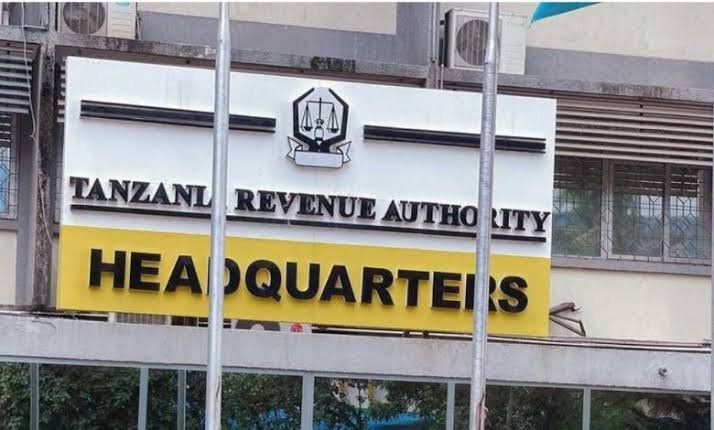
Tax evasion persists where both parties to a transaction benefit from keeping it undocumented. Taiwan broke that equilibrium in 1951 by converting official receipts into lottery tickets, giving customers a direct financial reason to demand them. Business tax revenue rose 75 percent in year one. Tanzania has EFD infrastructure, mobile money penetration, and the Universal Billing System already in place. A digital receipt lottery linked to existing fiscal receipts requires no new hardware, only a credible prize structure and a frictionless entry mechanism.
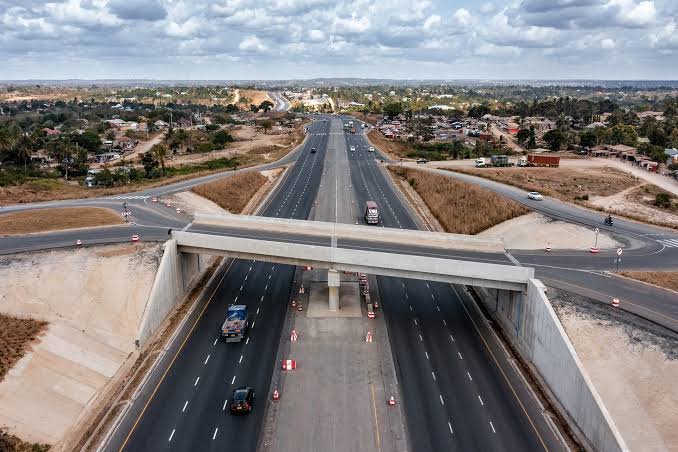
Tanzania's infrastructure boom is producing assets faster than it is producing the engineers capable of designing the next generation without external help. The root cause is procurement: contracts are evaluated on cost and delivery time, not on how much domestic engineering capability they leave behind. South Korea and China both used public infrastructure programmes as deliberate training mechanisms for domestic firms until those firms competed globally. Tanzania has the institutions and the graduates. Three procurement changes, mandatory joint ventures with technical role requirements, embedded graduate programmes as contract conditions, and measurable knowledge transfer metrics, would begin closing the gap without slowing delivery.
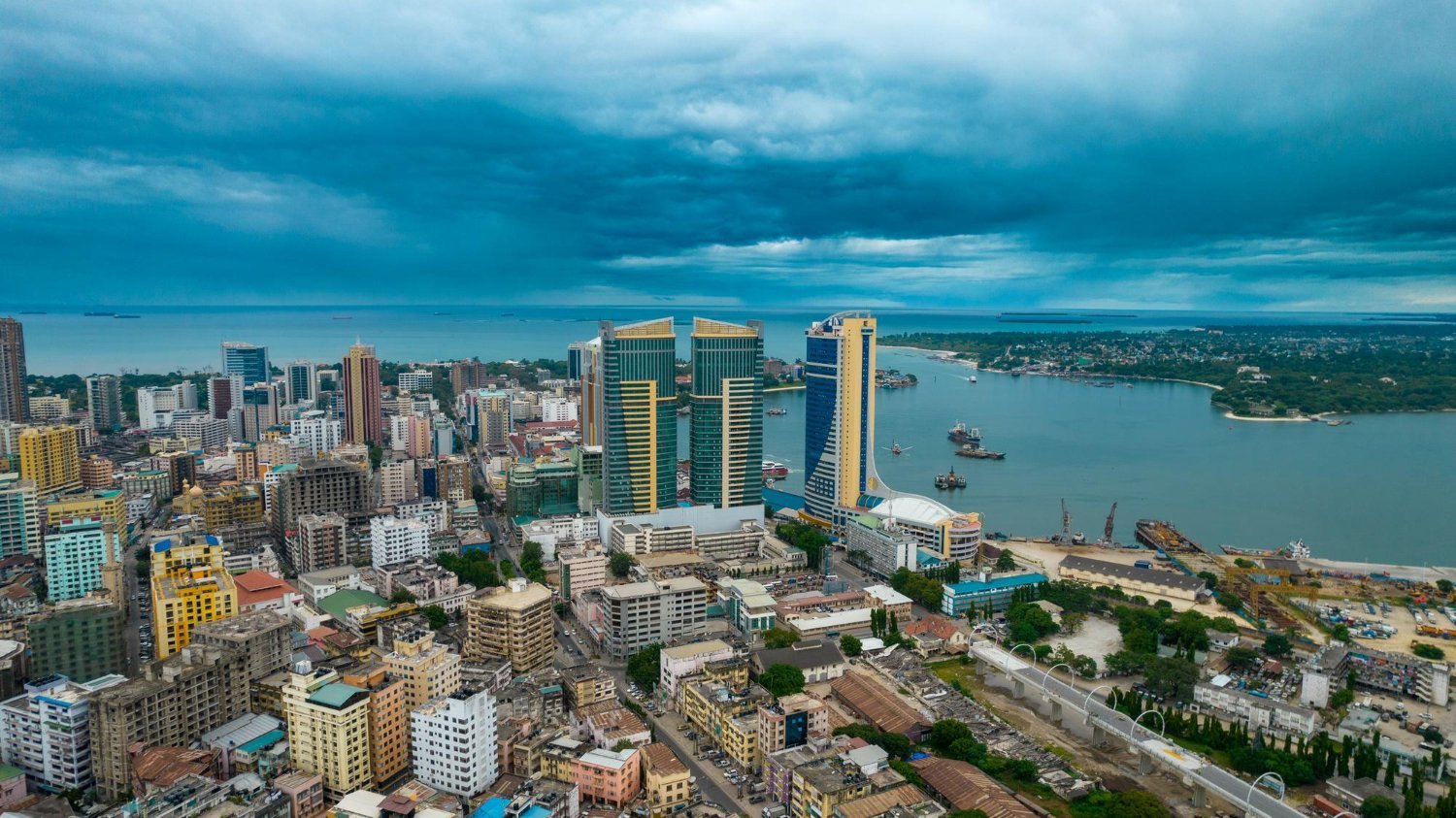
In 2026, prime land in Masaki trades at USD 1,400 to USD 2,655 per square metre. A four-bedroom house in Austin, Texas costs less than that same empty plot, comes with freehold title, and includes functioning roads, water, and power. The economics should not make sense. They do because Dar es Salaam has concentrated all its desirable infrastructure into a few coastal neighbourhoods and left everywhere else behind. That is not a real estate problem. It is a city planning failure with a real estate price tag. The anomaly is structural: artificial scarcity of serviced land, expatriate demand priced in hard currency, and infrastructure confined to the same three postcodes create a self-reinforcing premium that disconnects price from any rational economic foundation. Closing the gap requires not making Masaki cheaper but making the corridors of Mbweni, Mbezi, Kigamboni, Goba, and Tegeta genuinely equivalent alternatives through targeted infrastructure extension, land title formalisation, and amenity decentralisation. Kigali did this deliberately over a decade. Dar es Salaam has not started.
This opinion piece argues that East African governments have allowed borrowing to become a substitute for structural fiscal reform rather than a strategic instrument for productive investment. Kennedy Mmari contends that persistent borrowing reduces political pressure to address inefficient tax administration, loss-making state enterprises, wasteful procurement, and large informal economies whose formalisation would expand domestic revenue without external debt. The piece proposes that recurrent budgets should be balanced entirely from domestic revenue, new borrowing should be permitted only for projects with independently verified economic returns, and private capital through PPP and concession models should become the first option rather than the last. Mr. Mmari acknowledges that borrowing is legitimate in emergencies but argues that treating ordinary development as an extraordinary circumstance every year has converted a strategic tool into a fiscal habit whose long-term cost is economic dependence rather than economic independence.